

Should You Change Your Virtual Phone Number? – Decide Now!

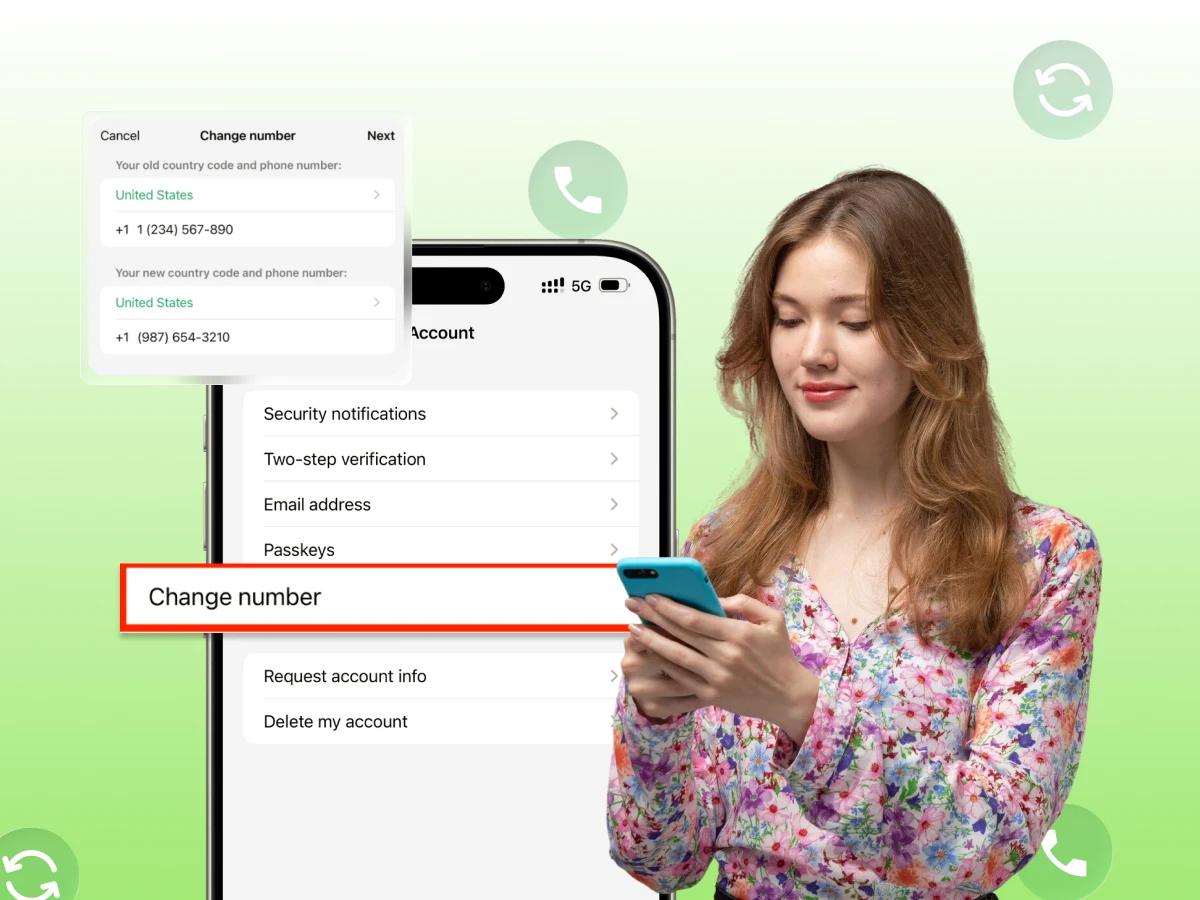
Managing a virtual phone number can be tricky. Spam, missed calls, or poor call routing can hurt your business communications. The question is—should you keep your current number or change your virtual phone number?
Changing your virtual phone system isn’t just about getting a fresh number. It affects incoming calls, outbound calls, call forwarding, voicemail messages, and how your clients experience your business line. A well-planned number change can improve call quality, customer communications, and even your brand’s local presence.
In this guide, we’ll walk you through the pros and cons, alternatives, step-by-step changes, and expert tips. By the end, you’ll know exactly when and how to change your number or whether upgrading your current system is the smarter choice.
Let’s dive in and take control of your calls today.
A virtual phone number helps you handle business calls, text messages, and video meetings without relying on a single physical phone line. But there are times when keeping the same number hurts your customer communications. Knowing the right moment to switch saves you headaches later.
If spam or robocalls overwhelm your incoming calls, it can hurt your team’s focus and call quality. This is often the first sign that it is time for a new number. Connecting a fresh virtual phone system or using call routing with a new number can fix this fast.
What are Unwanted Calls?
Unwanted calls are phone calls you don’t want to receive. They can come from telemarketers, scammers, robocalls, or even unknown numbers hiding their caller ID. These calls often interrupt your day and can sometimes be used for fraud or phishing.
Sometimes numbers leak online or fall into the wrong hands. If you face harassment or security risks, changing your virtual phone number is safer than relying only on call forwarding or caller ID filters.
A new region may require a local area code to build trust. Many phone number providers let you add or switch to a local virtual phone so your outbound calls show a familiar code. This boosts your local presence and helps you reach customers in their language and time zone.
If your company moves from a personal Google Voice setup to a full business phone system with unified communications, a new number matches your brand better. It allows advanced features like auto attendant, voicemail transcription, call recording, and video conferencing.
Modern communications platforms offer cloud phone tools, VoIP phones, and advanced call analytics like sentiment analysis. If your old provider lacks these, it may be worth switching to a new VoIP provider with flexible pricing plans, unlimited calling, and a referral program.
Changing your virtual telephone number is not always easy, but it often helps your business communications run smoothly. If any of the above signs sound familiar, explore virtual phone number providers that let you route calls, receive calls, and grow with better business solutions. The right step today prevents issues tomorrow.
Switching to a new virtual phone number affects more than your business calls. It influences your communications platform, customer communications, and even your call quality. Below are more detailed pros and cons to help you decide.
Eliminate spam and harassment by starting fresh with a new number. You can also set up call forwarding, auto attendant, and call routing in your virtual phone system to filter unwanted calls.
A new local virtual phone with a proper local area code builds trust in new markets. Many virtual phone number providers allow you to show a local presence for better engagement with clients.
Switching numbers is a chance to upgrade to a modern communications platform with unified communications, call recording, voicemail transcription, video meetings, video conferencing, and advanced call analytics like sentiment analysis.
Older phone systems and physical phone lines can have dropped calls or poor audio. A new number with a better VoIP provider means stable call quality, unlimited calling, and better support for international calling.
If you are scaling your virtual business, a new number allows better route call strategies, contact center integration, and on-demand demos. It helps you adapt your business phone system as your team grows.
Separating personal and professional communications by changing numbers protects your privacy. It also allows secure call and text management without mixing with your private sms messages.
A clean number with an auto attendant and set business hours gives clients a more professional experience. It helps you handle incoming calls and outbound calls consistently.
Even with call forwarding, some clients may not notice the number change right away. You will need to update everyone through sms messages, video conferencing invites, and your business phone systems.
Switching numbers involves updating caller ID, phone system directories, route calls settings, physical phones, desk phones, VoIP phones, and online profiles. It takes planning and effort.
If you do not coordinate with your phone number providers carefully, you risk downtime where you cannot receive calls or answer calls. This can disrupt business communications during the transition.
Some virtual phone number providers charge for new numbers or porting. Check pricing plans, feature bundles, and referral program options before committing.
If you manage multiple teams across different regions, switching numbers may confuse internal business calling workflows. You will need clear internal announcements and training.
Changing your number can affect third-party tools linked to your communications features. This includes sentiment analysis, CRM systems, cloud phone integrations, and auto attendant routing.
Your old number may have built strong brand recognition over time. A new number may require more marketing to regain that familiarity with customers.
Changing your virtual telephone number offers several benefits, including cleaner business solutions, improved call quality, and enhanced privacy, but it also comes with costs and risks.
If your current phone system supports advanced call features, unified communications, and solid call routing, you may not need a change yet.
If you decide to move ahead, plan it carefully with your VoIP provider, update all channels, and take advantage of features like auto attendant and call forwarding to make the switch smooth.
Real examples make the decision easier. One real estate agent was stuck with constant spam on her old virtual phone number. Her incoming calls mixed client inquiries with robocalls, and her business phone system lacked proper call routing or auto attendant features.
She decided to switch to a new virtual phone system from a reliable VoIP provider. The upgrade gave her a local virtual phone number with the right local area code, unified communications, and advanced call features like call recording, voicemail transcription, and better call quality.
With the new setup, she used call forwarding and route calls tools to filter leads, set business hours, and add a simple auto attendant. Clients could press a button for sales, while other calls went to support.
She also added a cloud phone app so she could receive calls and send sms messages anywhere.
In three months, her qualified leads doubled. The cleaner number, paired with a stronger communications platform, helped her manage outbound calls, text messages, and even video meetings with zero spam.
This shows that a number change is not just about avoiding spam. It can improve customer communications, give you better business calling tools, and even help scale a virtual business.
What is Spam?
Spam is any unwanted or unsolicited message sent in bulk, usually for advertising or fraud. It can happen through email, text, or even calls. These messages often try to sell products, promote scams, or trick you into sharing personal information.
Changing your virtual phone number is not the only way to fix communication issues. Many businesses keep their number and improve call management with the right tools. These options save time, money, and help you protect your brand identity.
Instead of replacing your number, set up call forwarding to redirect incoming calls to another line. Use call routing rules to send business calls to the right department or agent. Pairing this with an auto attendant ensures no call goes unanswered.
A modern communications platform can turn your current number into a flexible solution. You can add advanced call features like voicemail transcription, call recording, and sentiment analysis without changing numbers.
Platforms like VoIP providers or cloud phone services also improve call quality and allow unlimited calling.
If your old phone system feels limited, upgrade to a new virtual phone system while keeping the same number. This lets you use VoIP phones, desk phones, or physical phone lines with better features like business hours scheduling, contact center tools, and on-demand demos.
You do not always have to replace your main line. Many virtual phone number providers offer extra local virtual phone lines with different local area codes. This helps you expand into new markets while keeping your existing caller ID and business communications intact.
Use tools like Google Voice, sms messages, video meetings, and referral programs to engage customers. Adding these communications features to your current setup improves reach without losing your existing number recognition.
These options give you flexibility if you are not ready for a full number change.
Next, we will cover the key steps to follow when you do need to change your virtual number, so the transition is smooth and clients never miss a call.
Switching your virtual phone number takes planning. A clear process avoids lost calls and customer confusion. Follow these steps carefully.
Understand why you want to switch. Is your old number tied to the wrong region? Do you need a fresh number for marketing campaigns? Maybe spam calls became a problem. Knowing the reason helps you pick the best solution.
Not all providers offer the same features. Check their plans for call forwarding, visual voicemail, and support for phones and landlines. Compare pricing and reliability. Make sure they allow easy number porting if you ever switch again.
Before changing anything, save everything. Export contacts from your Google contacts and phone app. Save your call history, voicemail messages, and business leads. Missing data can hurt your outreach later.
Your number appears in many places. Change it on your website, social pages, ads, business listings, and email signatures. Also, update it on the caller ID databases. A mismatch confuses customers and lowers trust.
Reach out before you switch. Send a quick sms blast or email update with your new number and when it goes live. Tell them why you switched so they know it’s legit. Reassure them that your service stays the same.
Don’t cancel your old number too fast. Set up call forwarding for at least 30–60 days. Route all incoming calls to your new number. This ensures no missed business calls and gives customers time to adjust.
What is Call Forwarding?
Call forwarding is a phone feature that lets you send incoming calls from your number to another number. It helps you answer calls on a different phone if you are busy, away, or want someone else to pick them up.
Once live, test every detail. Call your number from different devices to check sound quality and connection speed. Test voicemail, call routing, and your caller ID name. Make sure your new number works with your VoIP phones and any business apps.
Watch how things go after the change. Track call analytics and missed calls. Adjust call handling rules or hours if needed. Add local presence numbers in more regions if you want better reach. Keep tweaking to keep performance strong.
Done right, changing your number keeps your business smooth and builds trust.
Changing your virtual number can help, but avoid these common mistakes to prevent new issues. Each misstep can cost leads and hurt trust, so plan carefully.
Many users change their number but forget to update it across all platforms. Your Google Contacts, business phone system, call forwarding settings, and website must reflect the new number.
If not, clients may face call forwarding errors or see outdated contact info. This leads to missed calls and trust issues.
Some skip setting up call forwarding or voicemail on the new number. Without these, incoming calls may get lost. Update call forwarding settings and voicemail messages so every caller can reach you.
Also, check if your virtual phone system has unified communications options to help manage this easily.
Do not assume everyone will see the update on your site. Call or send a message to your top clients and contacts directly. This shows professionalism and avoids lost opportunities. You can even use bulk SMS or email lists to share your new number.
After switching, some do not test the new number on all devices, like phones and landlines. Validate it for outbound calls, voicemail messages, and call forwarding functions. This ensures there are no hidden issues before your clients use it.
Changing the number is not enough. Track incoming calls, lead conversions, and client responses after the switch. A virtual phone system often has analytics to monitor performance. Without this, you cannot measure if the change was effective.
Virtual numbers are not going away. They are becoming smarter and more flexible. Businesses and individuals now use them to manage outgoing calls, voicemail messages, and call forwarding from anywhere. The future will focus on stronger privacy, better integrations, and easier access on both phones and landlines. One key change is AI-backed call filtering and caller ID tools.
These will help users avoid anonymous call scams while still staying reachable. Expect tighter control, such as anonymous call rejection, to stop unwanted calls. This makes virtual numbers even safer for your business line.
VoIP systems will also evolve. Cloud telephony and better DNS settings will improve connection speed and call quality. No more dropped calls or misconfigured settings. Users will get more features like visual voicemail and advanced contact customization without paying extra.
Mobile users will benefit too. Providers will roll out better apps that work with Google contacts and any phone app. This means easy dialing code detection, faster outgoing calls, and voicemail icon alerts on devices like the Samsung Galaxy S25 or S25 Ultra.
The goal is to make accessing voicemail and call forwarding as easy as tapping a button. As regulations grow, expect clearer privacy rules like the California Privacy Notice built into systems.
Companies will need to explain how data is stored when you connect to the network. This is good news for users worried about future security. Overall, virtual numbers are here to stay. They will continue to grow with better features, safer systems, and flexible dialing code options.
Next, let’s explore how these future trends affect businesses choosing a new number strategy.
Deciding to change your virtual phone number depends on your situation. If spam, privacy concerns, or poor call quality affect your business line, a new number can improve customer communications and streamline outbound calls.
However, if your current phone system supports call forwarding, voicemail messages, an auto attendant, and routes calls effectively, a change may not be necessary. Sometimes upgrading your virtual phone system or adding local virtual phone lines is enough to solve problems without losing recognition.
The key is planning. Back up your Google contacts, update your phone app, set a proper caller ID, and use bulk SMS or text messages to notify clients. Test phones and landlines, check all call routing settings, and monitor missed calls after the switch. This keeps your business phone system smooth and reliable.
Ultimately, changing your number is a tool, not a solution on its own. Use it strategically alongside features like unified communications, visual voicemail, call recording, and a cloud phone setup. Doing this ensures your business calls are professional, reliable, and future-ready.
Now that you understand the benefits, risks, and alternatives, you can make a confident decision about whether to change your virtual number or optimize your current system.
A virtual phone number is a number not tied to a physical phone line. You can manage incoming calls, outgoing calls, voicemail messages, and even personal calls from a virtual phone system or app. It works on phones and landlines, or even through a cloud phone setup.
Yes. Most virtual phone systems allow you to receive SMS and send texts directly from the number. This works on your phone app or desktop platform, keeping business and personal communications organized.
No. Virtual numbers operate independently of a physical SIM card. You can make outbound calls, receive SMS, and manage voicemail messages without touching your mobile SIM.
You might consider it if spam, privacy issues, or poor call routing affect your business line. Also, upgrading your virtual phone system or adding local virtual numbers can help expand your reach without changing your existing number.
It can if not planned carefully. Use call forwarding, update Google contacts, notify clients via bulk SMS or email, and test all devices. Proper planning ensures business calls and personal calls continue smoothly.
