

What Is Customer Interaction Management? A Complete Guide

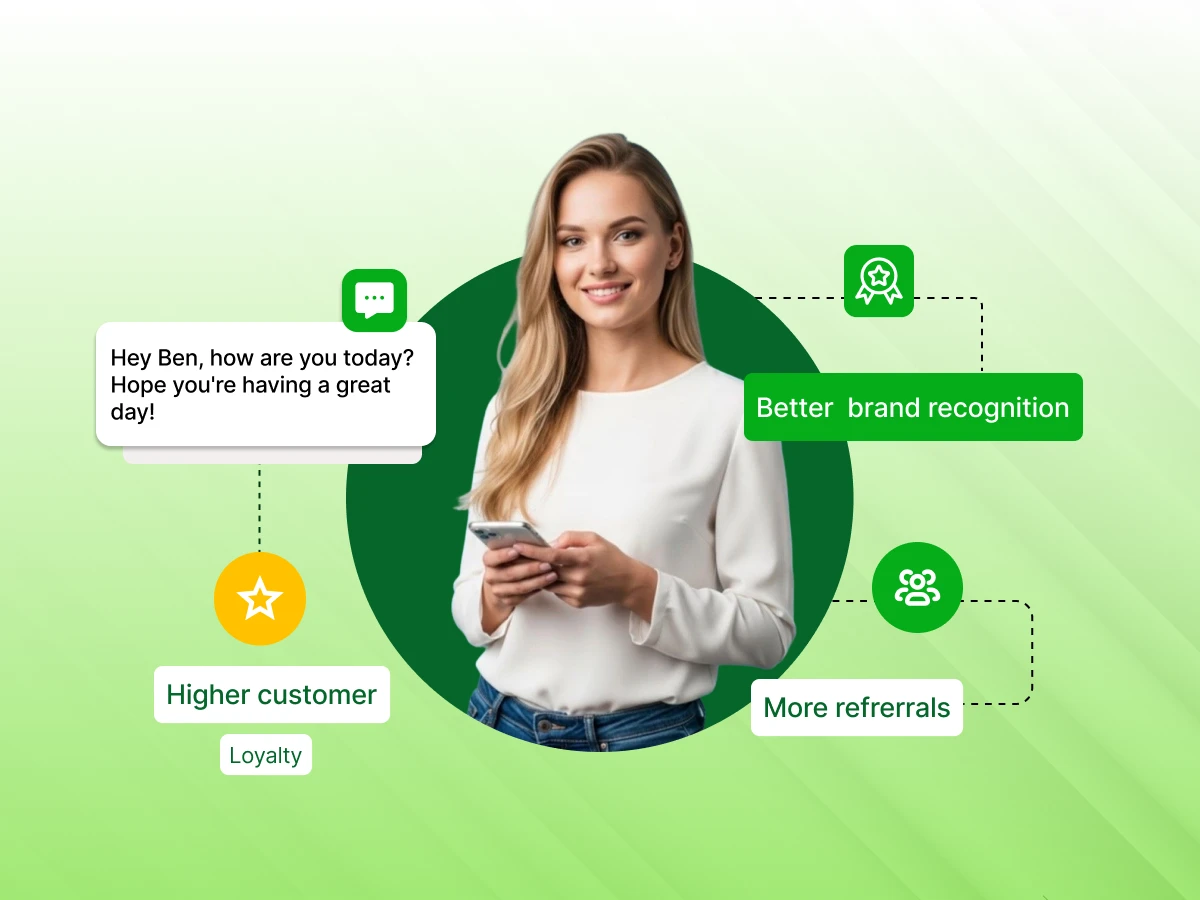
In the modern digital landscape, the way a business speaks to its customers is just as important as the product it sells. Whether it’s a quick message on live chat, a detailed email, or a sensitive phone call, every touchpoint matters. If these interactions are messy or slow, customers leave. If they are smooth and personalized, customers stay and become loyal customers.
This is where Customer Interaction Management (CIM) comes in. While many businesses focus only on storing data, CIM focuses on the experience of the conversation. It is the bridge that connects your company’s goals with the real-world needs of the people you serve.
In this guide, we will break down everything you need to know about managing customer interactions. You’ll learn how to improve operational efficiency, understand customer behaviors, and build a brand reputation that keeps people coming back.
Before we dive deep, let’s define the term. Customer Interaction Management is the process of overseeing and improving every communication between a business and its customers across all channels.
It isn’t just about answering customer inquiries. It is about managing the flow of information. Customer Interaction Management (CIM) ensures that when a customer moves from a social media comment to a phone call, the business doesn’t lose the context. It helps businesses transition from a siloed approach to a true omnichannel contact center, ensuring a consistent voice regardless of who the customer is talking to.
Today’s customer expectations are higher than ever. Customers don’t just want a solution; they want it fast. They want you to know who they are. They want to feel heard. Customer Interaction Management (CIM) allows you to track customer interactions and analyze data so you can meet customer expectations every single time.
The two terms “CRM” and “CIM” are often confused by people. They do have different functions in your marketing, however. Being aware of the difference can help companies provide a lot more positive customer encounters.
The Breakdown:
For a business to succeed, these two must work together. Improving operational efficiency happens when your tools are connected through seamless CRM integration, ensuring your sales teams and support agents have the full picture of every conversation. This ensures your sales teams and support agents can always meet customer expectations because they have the full picture of every conversation.
| Feature | CRM (Customer Relationship Management) | CIM (Customer Interaction Management) | |
|---|---|---|---|
| Primary Focus | The Customer Profile (Data & History) | The Conversation (Dialogue & Real-time) | |
| Key Goal | Build stronger long-term loyalty | Tailor interactions for immediate satisfaction | |
| Tools Used | Databases, Sales Funnels, Contact Lists | Live Chat, IVR, Social Media Inboxes | |
| Business Value | Organizes the customer base | Enables businesses to meet customer expectations | |
| Effect on Workflow | Tracks the customer journey | Improves operational speed and customer experiences | |
| Data Usage | Historical purchase and contact data | Real-time customer interaction cycle data | |
| Support Impact | Tells the agent who is calling | Provides personalized context on how to help |
To master customer interaction management, you need to focus on four main building blocks:
Every time a customer interacts with customers (or your brand), they leave a trail. This includes clicks, call sentiment, and customer feedback. A good CIM strategy gathers this data from emails, phone calls, and SMS to create a unified profile.
Your customers are everywhere. They may begin talking on TikTok and wish to complete the dialogue via email. Customer Interaction Management (CIM) prevents your communication channels from being “siloed. This way, the customer service representative on the phone is aware of what was mentioned in the live chat 10 minutes ago.
You can do nothing better than what you don’t measure. By using customer interaction analytics, businesses can identify pain points. Is anyone dropping off while on IVR? Does it take too long to respond on social media? This information enables you to determine where improvements can be made.
CIM’s ultimate objective is to deliver personalized experiences. With the information you’ve collected, you can have a referral program set up for a loyal customer, or you can award a refund to a frustrated one before they even ask!
Not all channels are created equal, and selecting the right customer communication platform is essential for meeting specific customer requirements.
Phone Calls: Although the digital age has arrived, it’s still the best way to use the phone to effectively solve complex problems. The human voice conveys empathy and urgency in a way that text cannot. Dialpad or Zendesk can assist the support agent with these calls with features such as transcription and real-time assist (RTA).
Live Chat: Currently, live chat is the most desirable option for customer engagement in 2024. It’s quick, puts no pressure, and can be served self-service with knowledge bases. This is ideal for companies that are online, and a customer has a momentary concern about a product.
Social Media: Social platforms such as Facebook, Twitter, and LinkedIn are no longer about marketing. They are major customer service channels. Public interactions on these platforms can greatly affect your brand reputation.
Email: Emails are ideal for non-urgent, detailed communication. They provide a written record (a “paper trail”) that is useful for both the business and the customer when dealing with technical instructions or contracts.
Why should you invest in customer interaction management software? The benefits go far beyond just being “nice” to people. It is a strategic move that changes how your company grows. Here is how it helps:
Implementing a CIM strategy doesn’t happen overnight. It needs a plan and the proper software.
You must put yourself in your customers’ shoes. Know all touch points they have with customers. This means your site, your app, and your referral program emails.
Do not purchase all the tools out there. Find a cloud contact center solution that integrates with your existing CRM solution. Whatever tool you use, be it Zoho CRM, HubSpot or Salesforce, ensure that they communicate with one another.
Your support team and sales team are the face of your CIM strategy. They must learn to use the management software, but also to possess soft skills, such as being empathetic, patient, and a good listener.
Use chatbots and IVR to handle routine customer questions. This frees up your human agents to handle more complicated issues that call for a more personal approach.
Use customer feedback surveys and NPS scores to measure customer satisfaction and identify specific pain points. When a customer rates low, follow up to solve any problems ASAP. This demonstrates that you value their opinions.
Understanding customer interaction management requires understanding human nature. Why do some interactions go well while others fail?
Many millennials and Gen Z customers have phone anxiety. They like live chat or text messaging as it seems non-threatening. It provides them with the ability to do more than one thing at a time. You can use this knowledge to provide the appropriate channel at the right time.
Psychologically, customers will recall the “peak” (most intense) of an interaction and the “end.” When the agent resolved the issue and provided a special discount at the end of the call, then the customer is most likely to be pleased with the experience as a whole, even if the hold time was long.
If a customer is upset about something that they have ordered, or they don’t receive their order in time, they want to feel understood. If you use phrases such as “I understand how frustrating this is”, you will defuse the situation and transform an unhappy customer into a satisfied customer.
The best way to understand CIM is to take a look at the work of one of the world’s foremost advocates of customer relationship management concepts and technologies: Francis Buttle. As one can see from Buttle’s famous book Customer Relationship Management, the system is more than just software; it’s a business strategy.
According to Buttle, CIM is the “operational” side of the relationship. While the 5th edition of his research highlights the importance of data, it focuses heavily on how businesses use that data during the customer interaction cycle.
Buttle identifies three types of CRM:
By following this expert approach, a business can move from just “answering phones” to creating a system where every customer interaction adds value to the brand reputation.
Let’s look at how global leaders handle managing customer interactions.
H&M uses a sophisticated CIM strategy to bridge the gap between its online store and its physical shops. They use loyalty programs to track what a customer buys. If you buy a jacket online, their CIM system might send you a text message with a discount for matching shoes. It’s just a great example of how interaction data is being used to drive marketing. They prioritize a smooth customer experience, whether you’re using their app or interacting with a store representative.
Companies such as T-Mobile and AT&T receive millions of calls and chats from their customers every day. They use IVR (Interactive Voice Response) a lot to direct callers to the appropriate support team.
Modern CIM isn’t just about humans talking to humans. It’s about leveraging conversational AI to help humans communicate more effectively and resolve issues in half the time.
One of the coolest tools in a modern contact center platform is Real-Time Assist (RTA). Imagine a customer support agent is on a call. The customer asks a difficult question about a refund policy. An AI listener detects the keyword “refund” and pops up an RTA card on the agent’s screen with the exact instructions. This reduces hold times and makes the agent feel like a pro.
Tools like Dialpad AI can now predict a customer satisfaction score even if the customer doesn’t fill out a survey. By analyzing the tone, keywords, and sentiment of the voice call, the management software can tell the supervisor if a call is going badly in real-time. This allows the manager to “barge in” and help, protecting the brand reputation.
The most crucial step to improving customer interactions is to make sure you choose the right platform. The right tool is not only a data repository, but also a tool for customizing interactions to individuals. The most popular are:
Dialaxy is the top solution for today’s business teams who require a flexible, worldwide virtual phone system. It is designed to enable businesses to communicate from anywhere in the world while keeping a local feel. It comes with built-in SMS and enhanced call capabilities, leaving you no room for missed beats in the customer interaction chain. It provides personalized communication options that help you build stronger trust with every person who reaches out.
Zendesk is the king of ticketing. It excels at omnichannel messaging. It brings emails, live chat, and social media into one inbox platform. It’s great for businesses that want a high-level experience with customer relationship management.
Zoho is famous for being affordable and highly customizable. It includes a customer interaction management software component called Zoho Desk. It is perfect for small to medium-sized ecommerce businesses that need to track customer interactions without spending a fortune.
HubSpot is the best for linking marketing efforts with customer service. Their CRM system is free, and their service hub allows for knowledge bases and customer feedback surveys that are very easy to set up.
If your business relies on phone calls and video meetings, Dialpad is a leader. Their Dialpad AI features, like transcriptions and call sentiment analysis, make it a powerhouse for improving your customer interactions.
A customer relationship management system is only as good as the people using it. What are the key customer relationship management skills and qualifications?
Training should be an ongoing process. Use customer interaction examples from real call recordings (with privacy in mind) to show agents what a positive customer interaction looks like.
To improve customer experiences on live chat, focus on speed. Use chatbots for the “Awareness” stage, answering questions about store hours or pricing information. Save the human agents for the “Evaluation” and “Purchase” stages.
On social media, transparency is key. If a customer posts a public complaint on Twitter or TikTok, respond publicly first to show you care, then move the conversation to a private DM to resolve issues. This shows other customers that you are a proactive customer service brand.
Reduce phone anxiety for your customers by offering a callback option. No one likes sitting on hold. A callback feature respects their time and improves your overall customer satisfaction.
What should we expect for customer relationship management in 2026?
Despite all the software, transcriptions, and algorithms, the heart of customer interaction management is still a human connection.
A referral program works best when a loyal customer feels like they are part of a community. A refund feels better when it comes with a sincere apology. As you build your CIM strategy, never forget that on the other end of that email or chat is a person who just wants their questions answered and their problems solved.
Choosing the right approach to Customer Interaction Management is a game-changer for any business. By integrating your marketing efforts with high-quality management tools, you enable businesses to scale without losing the personal touch.
Whether you are using HubSpot, Zendesk, or Dialpad, the focus should always be on the customer. Use analytics to understand customer behaviors, use AI to resolve issues faster, and use loyalty programs to reward your brand advocates.
By following this complete guide, you are now ready to build a CIM strategy that drives business growth, protects your brand reputation, and creates customer experiences that people will talk about.
The main goal is to manage customer interactions across all channels to ensure a positive customer experience, increase customer loyalty, and improve operational efficiency.
Yes! It involves a mix of technical skills (using CRM systems) and soft skills (empathy, communication, and problem-solving). It is a highly valued skill in customer service management jobs.
CRM is the strategy and tool used to store customer data and manage long-term relationships. Customer Interaction Management (CIM) is the software and process used to manage the actual conversations (calls, chats, emails) in real-time.
You can improve customer interactions by mapping the customer journey, using live chat for quick replies, training your support team in empathy, and using feedback to identify areas for improvement.
Customer interaction examples include a customer calling to ask about pricing, a live chat session to resolve issues with an order, or a customer replying to a loyalty program email.
