

Cold Calling Mastery: Unleashing Tips for Successful Cold Calling


Quick Overview: Successful cold calling requires preparation, a focus on people, and a solid action plan. Viewing the call as a helpful conversation rather than just a sales pitch can increase your chances of connecting with the right person to call and converting them into buyers.
In today’s modern world, people are busy with texts, emails, and automated voicemails and lack personal communication.
The cold calling method stands out in a world full of technology, social media, and busy communication systems. Eventually, this will drive businesses to increase sales and customer experience.
In this blog, we will explain why cold calling is essential in sales, provide cold calling advice you can apply immediately, and discuss the challenges of unasked calls.
Let’s dive in🚀
Cold calling is a sales outreach strategy where a salesperson, agent, or business representative contacts potential customers who have not previously expressed interest in a product or service.
Essentially, it involves reaching out to a list of “cold leads”, people who are unaware of your company or offering, through phone calls, aiming to spark interest and generate sales opportunities.
Despite the rise of digital marketing channels, many businesses still rely on cold calling because it provides a direct, human touch that other channels often lack. Unlike emails or social media campaigns, cold calling allows reps to immediately engage prospects, answer questions, and handle objections in real time.
Social media campaigns are coordinated marketing efforts on social media platforms. Here, social media platforms like Facebook or Instagram are used to interact with customers to build brands, drive website traffic, and increase sales.
In short, a well-structured script, combined with tools and techniques, ensures an effective cold call that gives you the opportunity to close the deal.
Cold calling continues to be one of the most effective sales strategies, even in a digital-first world dominated by emails, text messages, voicemail, and automated campaigns.
Unlike other communication methods, it provides a direct line to prospects, allowing sales teams to deliver personalized messages and gather real-time feedback.
A major advantage of cold calling is the ability to ask targeted questions about a prospect’s pain points. This uncovers purchasing intent, helps qualify leads efficiently, and ensures time and resources are focused on the most promising opportunities.
Immediate feedback during calls enables sales teams to gauge interest, address objections, and adapt their pitch on the spot, which can accelerate the sales process.
Cold calling also strengthens relationships by building trust and credibility through voice interactions. Personal conversations allow sales teams to connect authentically, answer questions, and respond to concerns faster than email or social media outreach.
When integrated with other channels such as LinkedIn and email, cold calling enhances multi-channel marketing efforts and reinforces brand messaging.
Active listening during calls provides valuable insights into market trends and customer needs. Sales teams can use this information to refine strategies, identify opportunities for growth, and continuously improve performance.
By combining direct engagement, real-time feedback, and strategic questioning, cold calling remains a highly effective tool for driving conversions and achieving sales goals.
Cold calling has various challenges, including rejection and unanswered calls, as well as odd calling time shifts, which can be a difficult task for a salesperson or telemarketer.
Some of the hurdles in cold calling are as follows:
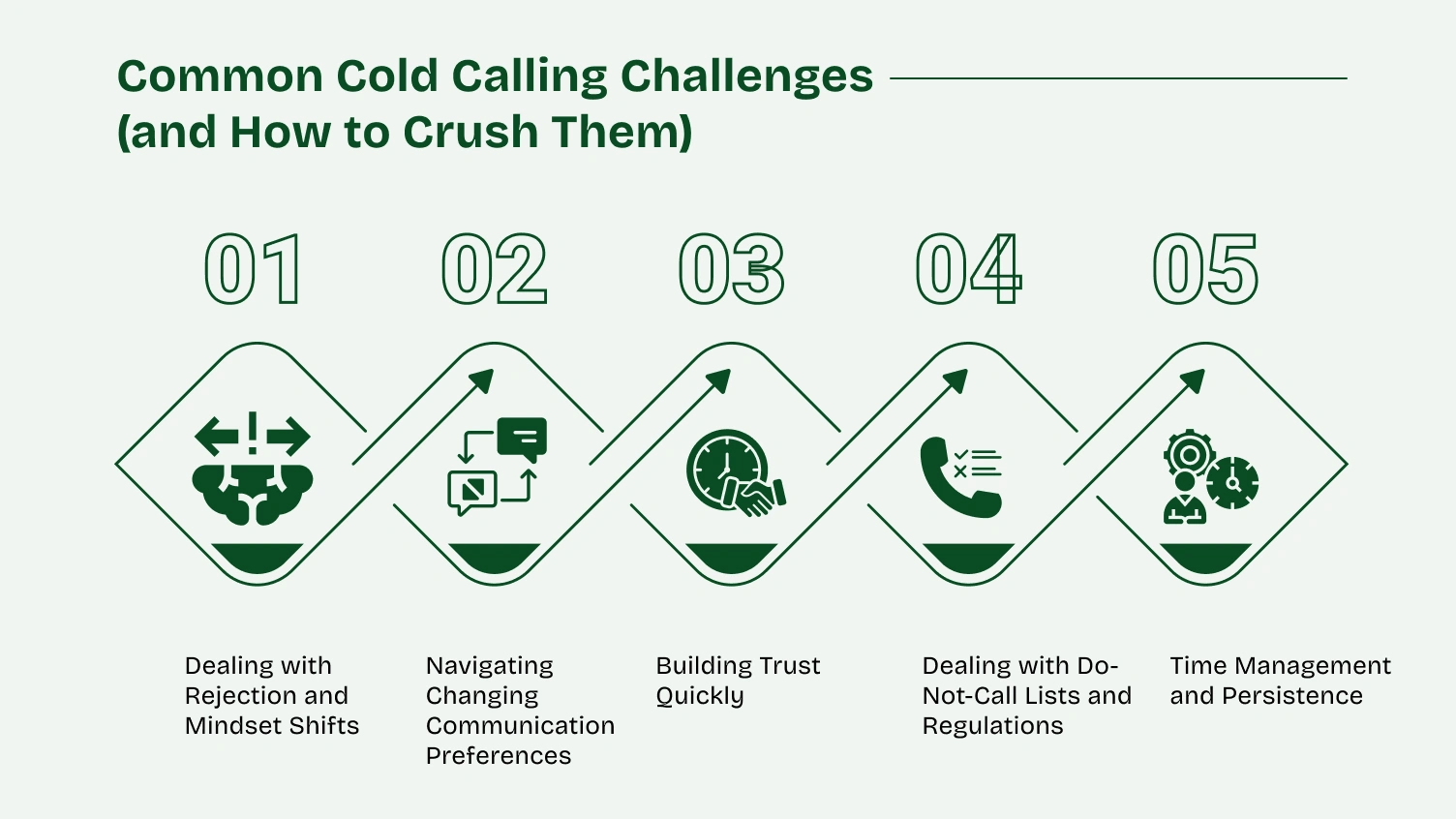
Rejection is one of the most difficult aspects of cold calling. Prospects may show disinterest or decline immediately, which can impact confidence. Maintaining a professional mindset, focusing on the process rather than the outcome, and learning from each call are key to overcoming this challenge.
With the rise of emails, text messages, and other digital channels, some prospects prefer written communication over calls. To address this, sales teams should research prospects in advance and choose the best channel while keeping cold calls concise and relevant.
Establishing trust in a cold call is challenging because it is an unsolicited outreach. A structured approach, starting with a clear introduction, showing understanding of the prospect’s business, and asking thoughtful questions, helps create credibility within the first few minutes of the call.
Legal restrictions, such as do-not-call lists, can limit the pool of reachable prospects. Staying informed about regulations, maintaining compliant contact lists, and using verified data sources ensure cold calling efforts remain lawful and effective.
Cold calling requires efficiency. Sales teams need to capture attention quickly and deliver the value of their offer in a short time. Consistency and persistence, combined with proper scheduling and prioritization of high-potential leads, improve overall conversion rates.
Despite these challenges, cold calling remains one of the most effective methods for turning cold leads into warm opportunities. When approached strategically, with preparation and focus, it builds relationships, uncovers prospects’ needs, and drives tangible results.
Customers want personalized and leveraged social interaction when it comes to having an interest in particular products. Unsolicited calls help businesses fill that gap for the customer, but without a practical way, this may fall short. Here are a few tips to make your cold-calling effective:
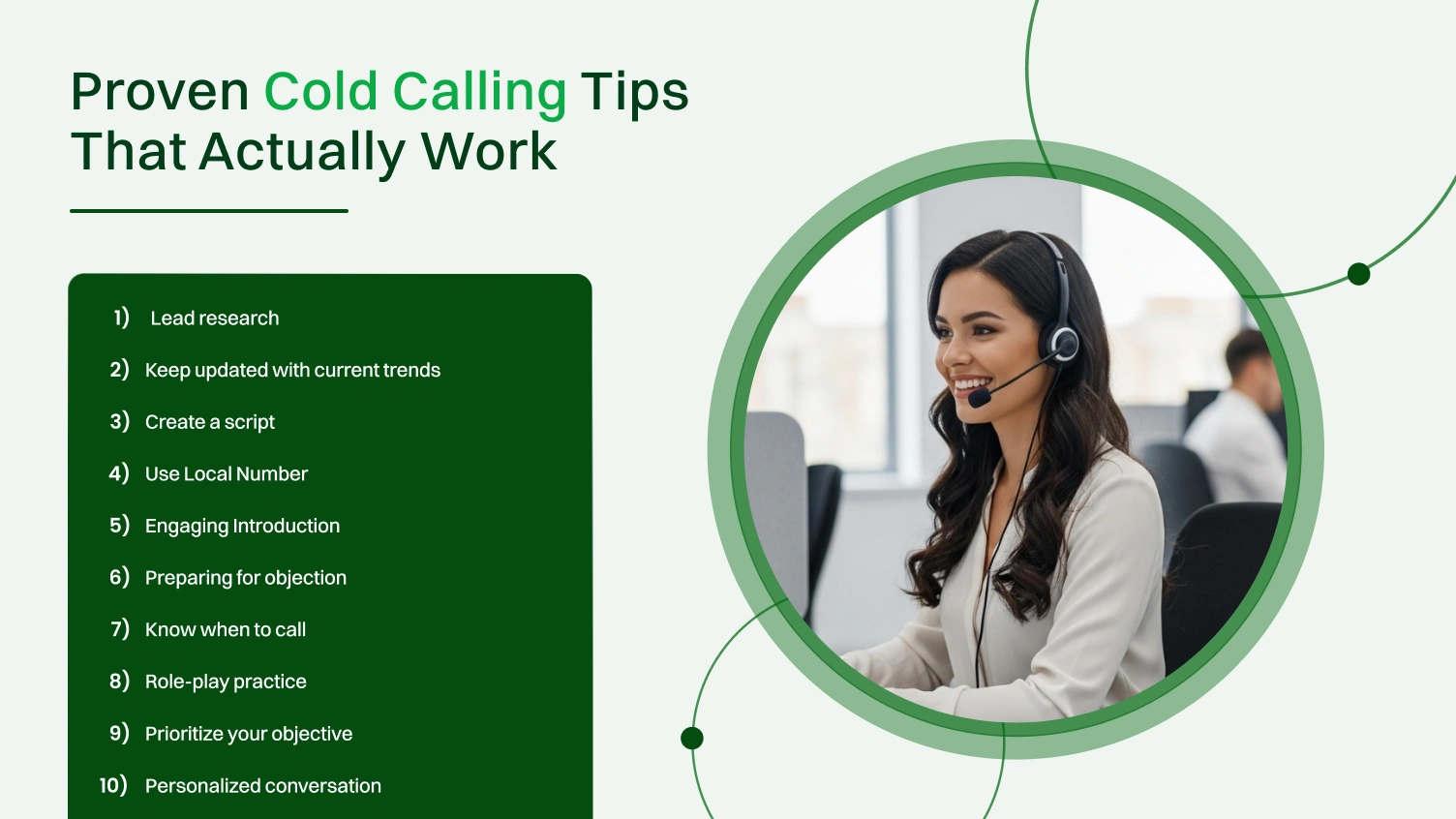
Cold calling can be a difficult approach, so it is better to do some research on your customer before calling. Research makes your cold calling strategy effective and efficient to some degree.
To convince people to purchase your product or service, you need to provide some personal value and build trust. Even if you are not able to sell or convert, you can give valuable insight into what your business can do for them.
Knowing the recent demands and customer needs always helps you stay ahead of your competitors, and monitoring consumer behavior and changes in market trends allows you to approach the right product or service according to buyers’ wants.
Drafting your script before making a call helps you focus on your key elements before making the cold call. It makes you appear appealing and confident during the call in front of the receiving customer.
Using common interests to initiate conversation and desirable statements helps you meet the needs of the consumer. Remember, you should not overbase your script on it; try to make a suitable change as necessary. Avoid sounding unnatural.
The use of local numbers helps to improve the phone call success rate. Most people don’t even want to answer an unknown number or a long-distance number.
Since this is unfamiliar to customers, they may think it’s spam or not answer your call. Therefore, it is better to use local numbers to leverage social interaction with local customers.
A personalized introduction helps create an engaging introduction and a good impression on your prospect. You can also address their needs and pain points, demonstrating your knowledge and insight about the prospect industry to start conversations or generate interest.
Addressing the prospect’s objection helps you overcome hurdles and keep the conversation on track. Responding to complaints can also demonstrate your expertise and knowledge to your customers, helping build a positive connection.
You need to learn when to call your prospect or lead, even before making a call. Look out for the call records data to see when and for how long the duration of the time frame your industry’s ideal customer answers your call, making the call answer success rate high and effective.
Practice a cold call by role-playing with your friends or with anyone you can. This will help you develop your conversation and cold-calling skills. Practice with your script and try implementing it in your conversation.
Ask your customers a series of questions to find their needs, problems, and goals, as they are essential to providing a better solution. So, you need to keep that in mind before making a call, as they are crucial for selling your product or service. This also helps in sales call tracking and lead conversion.
Your prospect might be at work, visiting family, and eating lunch, so you should know they are giving you valuable time by responding to your calls and queries.
So, make your conversation engaging, friendly, and casual. It is an essential part of your sales process for conversion.
Here’s a structure that works in real-life sales calls:
Script:
“Hi [Prospect Name], this is [Your Name] from [Your Company]. We help [target audience] achieve [specific benefit]. I wanted to see if this is something you’re exploring this quarter?”
Why it works:
Pro tip: Always research your prospect beforehand. Mention a recent event or achievement to make your introduction feel personal. This small step increases the chance they’ll stay on the line.
Gatekeepers are the first line of defense. Your goal is to sound natural and professional.
Script:
“Hi, I’m looking to speak with [Decision Maker Name] regarding [specific benefit]. Could you help me understand the best time to reach them?”
Tactics:
Real example: When a gatekeeper informs you that the decision maker is unavailable, you can respond with:
“I understand. Could you let me know the best time to reach them for a quick 5-minute conversation?”
Objections are normal. The key is to respond with understanding, not defensiveness.
Common objection: “We’re not interested.”
Scripted response:
“I understand. Can I ask if it’s a timing issue or if our solution doesn’t align with your current priorities?”
Why it works:
Tip: Keep a list of frequent objections and practice concise responses. Over time, this will make your cold calling conversations smoother and more confident.
Generic scripts fail because they feel scripted. Here’s how to personalize without overcomplicating:
Example: Instead of saying, “We help companies improve ROI,” say:
“I noticed [Company Name] recently expanded into [new market]. We help companies in similar situations reduce operational costs while growing faster. How are you handling that expansion?”
This makes the script feel like a conversation rather than a pitch.
You can use tools for cold calls or outreach calls, whether you run a small, regular-sized, or call center.
These tools make your overall communication system effective and efficient, with features for cold calling.
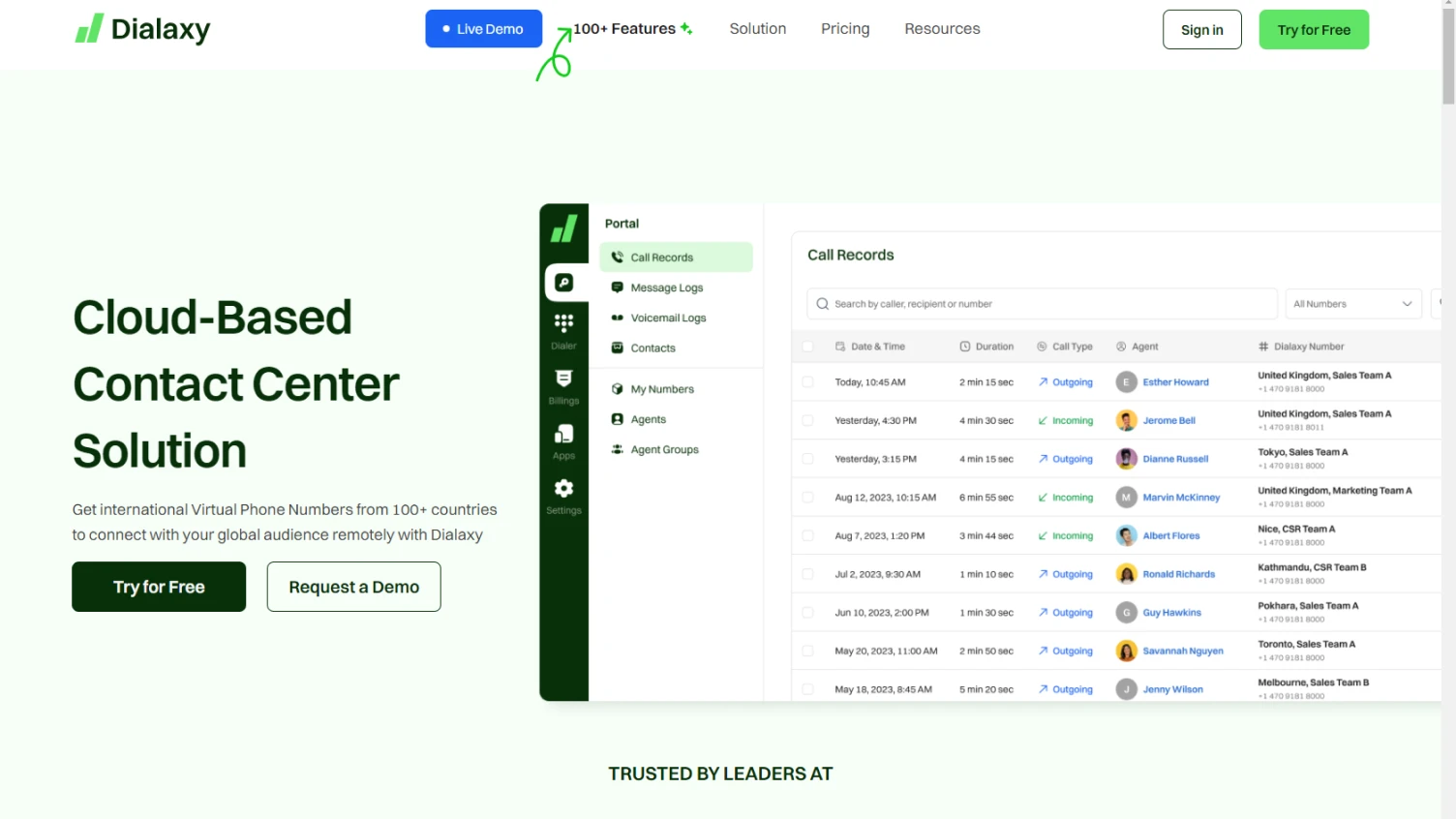
Dialaxy is a cloud-based contact center solution that uses VoIP technology.
Features:
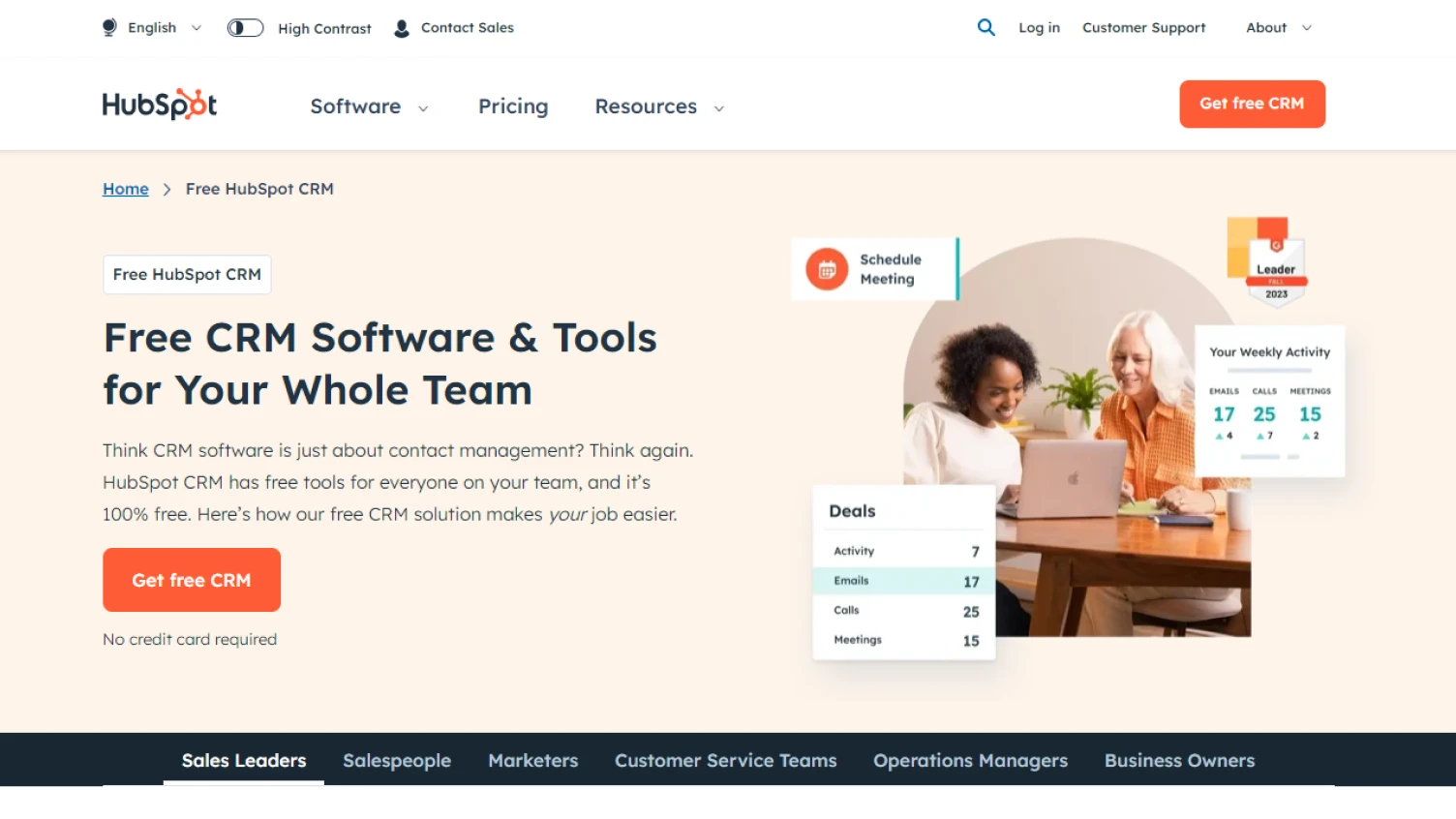
It is a sales outreach software that is integrated with the flagship Hubspot CRM.
Features:
It is a virtual call center solution that offers a free business number for multiple countries.
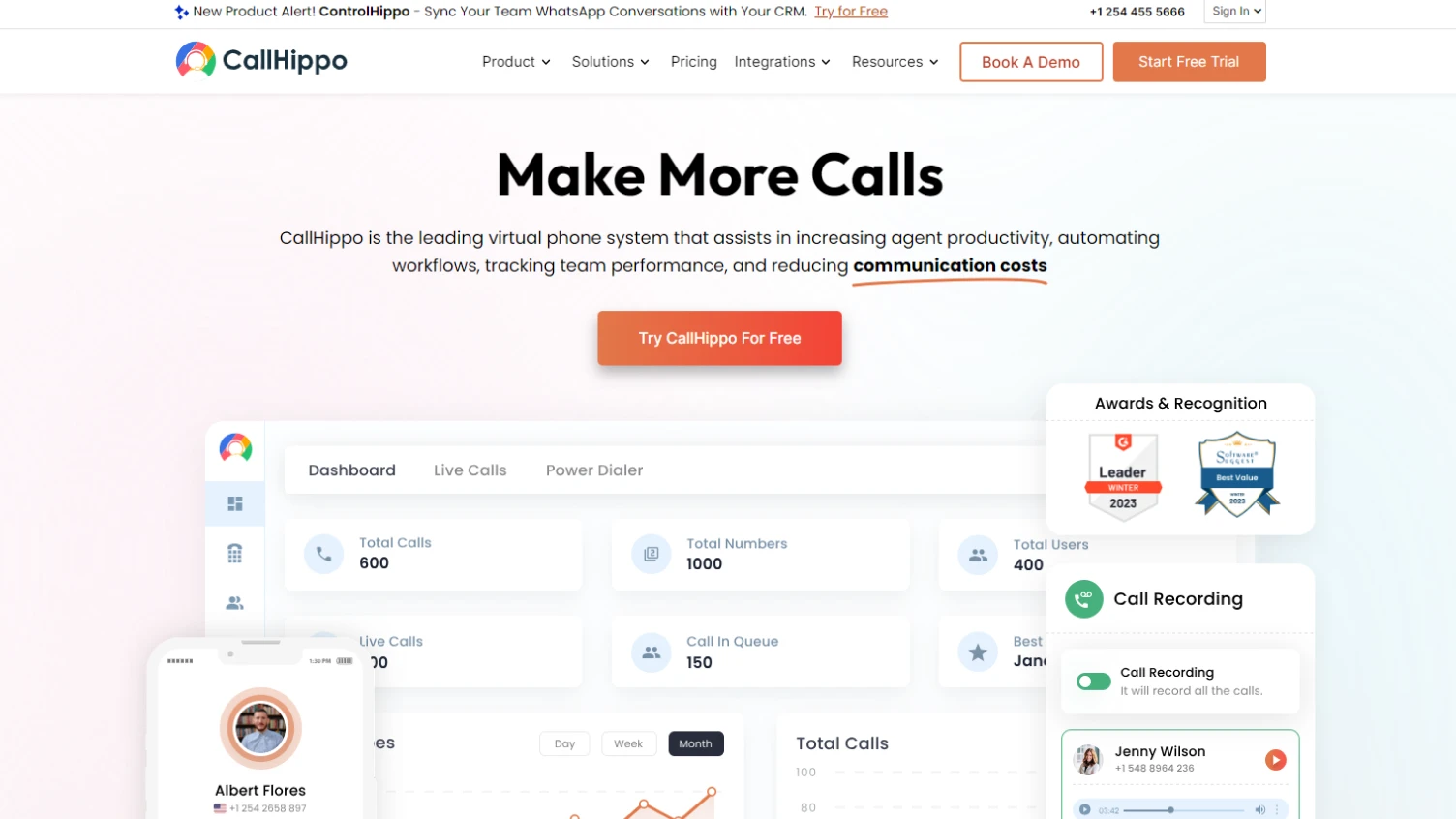
Features:
Aircall is also a cloud-based call center phone system with a call-tracking software feature.
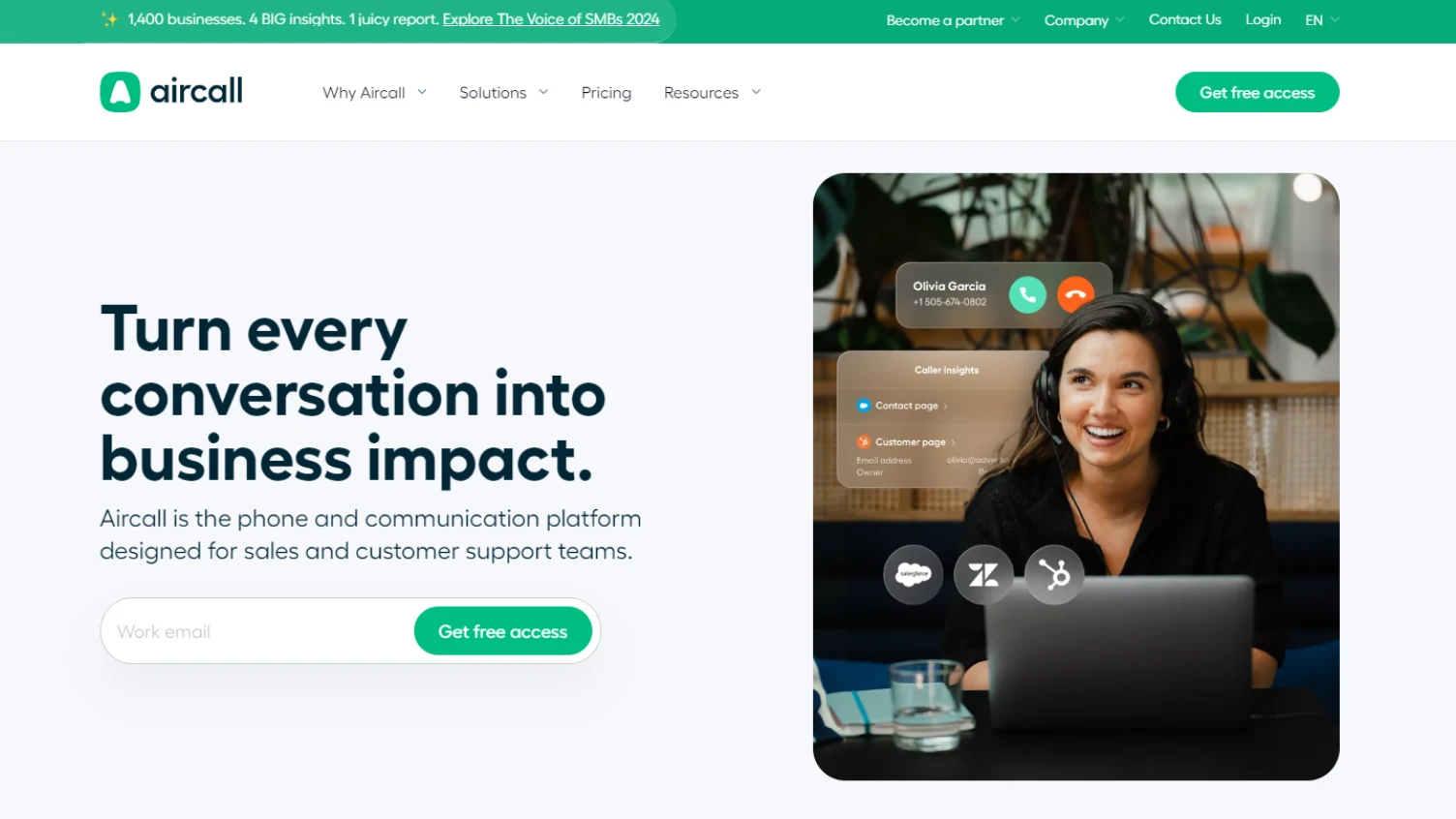
Features:
RingCentral communication helps to improve the sales communication system and its workflow.
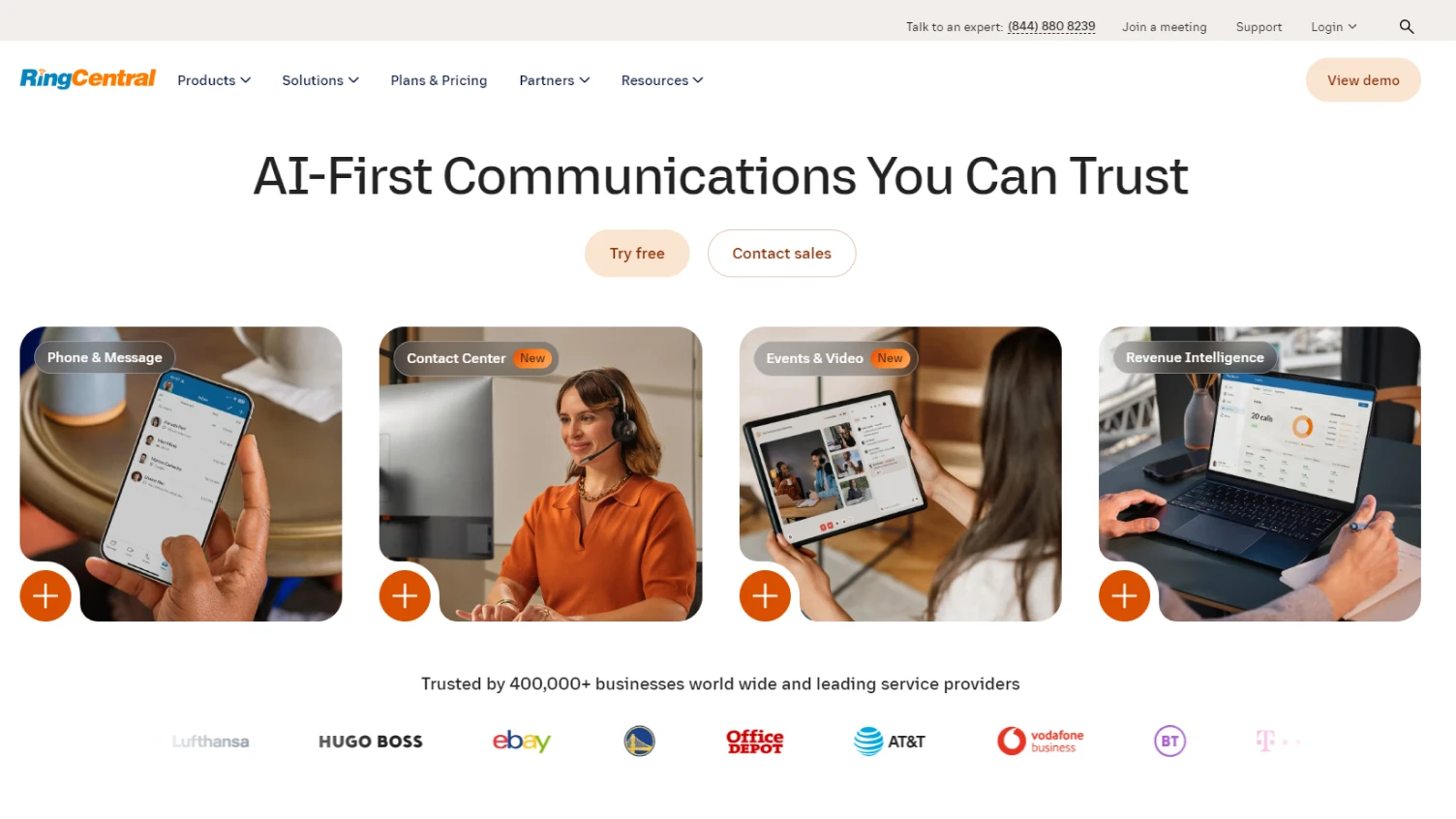
Features:
Cold calling can be challenging for beginners, but following proven strategies can make it both effective and comfortable.
By applying these best practices, beginners can improve immediate results while building a sustainable, long-term approach to cold calling success.
A sales pipeline is a visual representation of a company’s sales process, showing potential customers progressing through distinct stages from initial contact to a closed deal.
The best sales strategy isn’t choosing between cold calling and digital channels but combining them.
Cold calling creates immediate, personal connections ideal for high-value deals, while email marketing and social selling excel at reaching many prospects efficiently and cost-effectively.
A hybrid approach, using digital channels to generate interest, then following up with targeted cold calls, leverages the strengths of both, maximizing impact and results.
The table below breaks down how cold calling and other sales channels compare across key aspects of the sales process.
| Feature | Cold Calling | Other Channels (Email, Social, Inbound) | Which Wins? |
|---|---|---|---|
| Personal Touch | High | Low to Medium | Cold Calling for a deep, immediate connection. |
| Scalability | Low: Limited by a rep’s time and effort. | High: Can reach thousands with automation. | Other Channels for mass outreach. |
| Cost | High: Requires skilled sales reps and training. | Low: Often less expensive due to automation. | Other Channels for budget efficiency. |
| Speed to Results | Fast: Can lead to immediate conversations and meetings. | Slow: Can take weeks or months to build a pipeline. | Cold Calling for quick action. |
| Conversion Rate | Low: Often 2-5% for meetings. | Variable: Can be higher (e.g., 8-12% for targeted emails). | Cold calls yield high-quality leads; other channels may convert more effectively but less qualified. |
| Best For… | Complex, high-value sales where a conversation is required. | Simple, high-volume sales where the product is easy to understand. | Varies based on product and audience. |
| Ideal Outcome | Booking a meeting or a demo. | Generating leads for a sales funnel. | It’s a Tie—both have different primary goals. |
| How It Feels to Prospect | Intrusive: Often seen as an interruption. | Less Intrusive: Prospects can engage on their own time. | Other Channels for a better prospect experience. |
Cold calling is not easy, but with the right tools like predictive dialers, strong product features, and an actionable action plan, you can definitely find success in cold calling, even if you are just a beginner.
It is a forward step where you are in the driver’s seat to approach the lead and generate their interest in your offered product or solution. It enhances the chance of success in acquiring direct customers.
Offering a personal touch and a user-centered approach, outbound sales teams can confidently close deals. This approach also creates immediate opportunities to connect with potential customers, benefiting the business as a whole.
To succeed in cold calling, research prospects, use a confident tone, personalize your pitch, listen actively, handle sales objections calmly, and follow up to build connections.
Addressing and familiarizing yourself with your prospects’ pain points and providing your product as their desired solution are two ways to master your cold call.
The power of cold calling is that you can provide a personalized message and build trust with the prospect in real time.
One study finds that the average time frame for a successful cold call is 5 minutes and 30 seconds.
