

Proactive Customer Service: Benefits, Challenges, and Examples

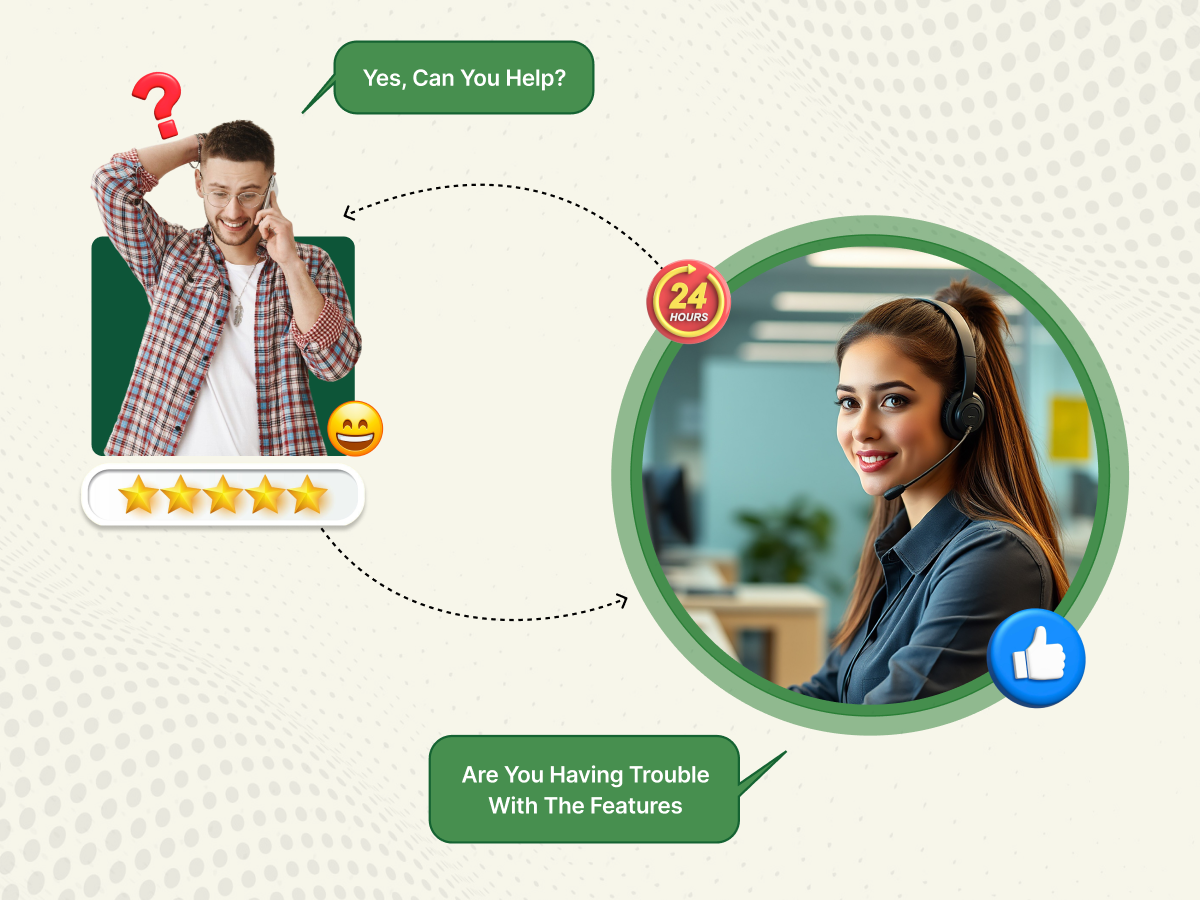
Stop losing money with outdated support! The old way of waiting for complaints is broken. It creates anger and kills your sales. Why put out fires when you can stop them from ever starting?
Meet Proactive Customer Service, your new secret weapon. This isn’t just help; it’s like mind-reading. This system predicts needs and fixes problems before customers even notice. With more buyers now demanding this VIP treatment, you simply cannot afford to wait.
Don’t get left behind. It is time to upgrade your brand and keep your customers happy for life. Ready to turn support into your biggest profit engine? Here is the exact guide to building a system that wins every time.
This detailed look at proactive customer service will give you three major takeaways for your business plan.
The Financial Blueprint: Learn how to calculate the true value of preventing common problems before they occur. You can immediately measure the ROI percentage of a successful proactive customer service system.
The Strategic Focus: Understand why using customer data to predict needs is the core of this system. Everyone in the CX team must agree that anticipating customer struggles is the most important goal.
The Modern Framework: Gain insight into the power of self-service solutions and AI agents for support efficiency. You learn how the right tools are essential for improving customer satisfaction and reducing costs completely.
In today’s very busy online world, customer experiences (CX) are the main way to win. Your company must always do better than these rising customer expectations. Proactive customer service works well for B2C businesses. Here are the reasons.
A proactive approach shows customers that the brand cares about their problems before they even ask for help. This attention changes a basic transaction into a strong customer relationship. When you solve an issue ahead of time, you greatly boost customer loyalty and secure high retention rates for the business.
Many companies still wait for a reactive customer to complain before they act. By using a proactive customer service system, you offer better customer experiences than your rivals. This strategic move makes your brand stand out immediately, giving you a powerful competitive advantage in the market.
When a problem is fixed before it causes a headache, you prevent deep customer frustration. This smooth experience creates positive customer sentiment and makes customers happy. High customer satisfaction levels (csat) are the direct result of using smart proactive solutions that truly improve customer feelings.
Proactive customer service means identifying and addressing potential issues before they affect the customer’s shopping experience. It helps your whole team focus on preventing issues rather than just reacting to them. This major change in thinking impacts every single customer touchpoint you have.
This smart method relies heavily on using full customer data in a smart way. Looking at this information lets your team guess future actions and coming problems. This good planning allows your company to give focused and very helpful proactive solutions. Using strong analytics tools correctly is a must here.
The main goal is to improve the customer journey by eliminating any struggles. This might mean just sending a helpful note or giving a full answer. It is all about quick and helpful action at just the right time. The system must always put proactive care first for the customer.
Knowing the difference between these two ways is key to making your whole support operations work better. A reactive customer only talks to the company when they already have a problem. This needs fast and costly action from human agents or a computer system. The company must then quickly resolve issues under time pressure.
Proactive vs reactive support shows a big strategic difference in how you use your money and people. Reactive work is often high-stress and expensive, focusing on fixing damage and fixing issues. Proactive work focuses on automated systems and upgrades, greatly reducing total support costs.
| Feature | Reactive Support | Proactive Support |
|---|---|---|
| Start | Customer contacts the business. | Business reaches out to the customer. |
| Reason | Triggered by an existing problem or failure. | Based on data, intent signals, or risk prediction. |
| Goal | Fix issues and repair the relationship. | Prevent issues and strengthen customer trust. |
| Cost | Higher due to staffing and follow-ups. | Lower through automation and self-service. |
| Customer Feeling | Relief after frustration. | Immediate satisfaction and confidence. |
The best businesses use a strong mix that uses both kinds of support. They must keep a good reactive system for big issues that they cannot predict. However, most of the ticket volume for simple problems is stopped by great proactive customer service. This system makes support efficiency better right away.
A modern proactive customer service plan includes many automatic and manual steps to smooth the customer path. Sending simple payment reminders for a subscription is a common example of this system working well. Let’s see what others are:
This key feature involves sending simple, kind notices to customers about upcoming payment due dates. This contact prevents an account from being locked or a service from being suspended due to a missed payment. It shows customers that your company anticipates their financial needs.
After an order is placed, the customer gets automatic notes about every step of the delivery process. This includes when the item ships and when it is out for delivery. Providing timely information like this greatly reduces stress and stops simple questions about order status.
This involves making strong, easy-to-use libraries of information, called knowledge bases, for common issues. These self-service solutions use clear help center articles to give customers answers without needing human agents. This is a key way to raise your ticket deflection rate.
Using an AI chatbot that can read customer behavior on a website or app is crucial. The AI agent quickly pops up to offer relevant help, like a guide or link, when a user seems stuck. This uses generative AI to deliver immediate proactive solutions right at the moment of struggle.
The company automatically informs customers about planned service interruptions or important product updates ahead of time. This shows good transparency and manages customer expectations during any outages. Notifying customers quickly about known issues is vital for building trust.
The strategic shift to a proactive approach brings major, clear money returns for any B2C company. The value is not just in abstract loyalty; it changes business numbers directly. A strong proactive customer service method is a direct bet on your company’s future success.
When a business always gives proactive solutions, it greatly strengthens customer relationships. Customers feel truly valued and deeply understood by the whole company. Building trust is the main reason for raising retention rates across the business. This good feeling helps stop customers from leaving, called customer churn.
Stopping a bad event is much better for customer retention than fixing it later on. A good proactive customer service talk changes a likely complainer into an active supporter. This smart move directly increases the important customer lifetime value number.
One of the quickest and clearest benefits is the fast drop in incoming support calls and messages. By working on common questions with self-service solutions ahead of time, your company greatly lowers the overall ticket volume. For a big company, this means huge savings on paying staff.
For instance, a fashion retailer might quickly warn customers about a sizing chart mistake. This careful action stops thousands of customer calls and tickets about the same small problem. This systematic stopping of problems greatly cuts down the total support costs.
The feeling of being cared for is a strong driver of both loyalty and good customer sentiment. When a brand guesses what you need, you feel a good surprise. This positive emotion flows directly into higher customer satisfaction (CSAT) and a much higher Net Promoter Score.
A customer who gets a proactive approach to service is more likely to leave good reviews and tell other people about you. This natural selling is very valuable for a modern B2C brand. It also greatly lowers the amount of customer frustration with the brand.
Moving the job of answering repeated common questions to an AI chatbot frees up your human agents. Your CX team can then only focus on dealing with very hard and high-value customer problems. This change makes both the contact resolution rate and overall agent performance better.
This smart use of people makes both the service quality and overall support efficiency better. The CX team feels more important, as they are not stuck doing boring, simple work. This good feeling is a powerful way to improve customer service overall.
Starting a full proactive customer service system has its own challenges for today’s businesses. The hardest part is often setting up the needed systems for it to work well. It needs a very smart and dedicated customer service strategy to be put in place.
Using a lot of customer data to guess behavior is a main part of this system. Yet, businesses must be careful about the rising data privacy concerns from their customers. Customers can feel that the company is being “creepy” if the contact is too personal or too pushy.
How to Fix It
Companies must be fully honest about exactly how they use personal information. Only focus on intent signals and purchase history data that really relate to the service. Always give a clear and simple way to opt out of certain proactive solutions.
A successful proactive step relies only on providing timely and helpful facts. Sending a proactive alert too soon or too late can bother the customer or be completely useless. The timing must be perfect to get the best effect on customer experiences.
How to Fix It
Start using predictive analytics that clearly point out the exact moment of a struggle. Use notes in the app and generative AI systems to see if a user is pausing in real-time. Always use the right communication channels for the message, like live chat for things that need fast action.
Automatic systems use patterns to work, but sometimes these patterns lead to wrong or unnecessary actions. Sending a customer a proactive solution for a problem they do not have can be annoying. This “false positive” lessens the good effect of the whole proactive customer service plan.
How to Fix It
Keep making your rules better with a strong feedback loop using customer feedback. Start small with very certain problems like payment reminders or known service interruptions. Use strong machine learning to automatically identify trends and make more correct guesses over time.
The first cost of setting up smart self-service solutions and conversational AI systems is large. Companies must spend money on strong analytics tools and train their whole CX team. This cost can stop smaller groups from starting this project.
How to Fix It
Call the money spent a smart way to save costs by lowering overall support costs. Use an ROI framework to clearly show the long-term value of the problems stopped and the higher customer lifetime value. Think about a partner program to use the computer systems you already have.
Measuring if your proactive customer service work is paying off means looking past old numbers like first response times. You must track numbers that show the value of stopping problems before they happen. This needs a focused way to track support efficiency.
These numbers focus on the number of possible reactive tasks that your proactive system has stopped. The goal is a higher ticket deflection rate for certain common questions.
These numbers track how customers use the proactive tools you give them. The goal is to prove that the customer is actually using the help you offer.
These are the big picture numbers that truly show the money value of the whole program. They link directly to how healthy the whole business is doing.
Figuring out the ROI of proactive customer service is key to securing funding for the plan. You must put a number on the costs saved by stopping a reactive call or message.
The average cost to handle a single customer contact in a contact center can be very different, often from $5 for a simple chat up to $15 or more for a lengthy customer call.
The Formula:
Value of Proactive Service = (Number of Problems Stopped * Normal Cost Per Problem) – (Cost of Running Proactive System)
Let’s take an example:
Imagine a business that gets 20,000 support tickets each month. Their average reactive support cost is $10 per ticket. If their proactive customer service plan successfully stops 3,000 of those tickets a month (a 15% ticket deflection rate):
Value of Proactive Service = (Number of Prevented Tickets * Average Reactive Cost Per Ticket) – (Cost of Running Proactive System)
Now,
Total savings = 3,000 prevented tickets * $10/ticket -= $30,000 in monthly savings.
If the new proactive solutions system costs $5,000 to run each month:
Net Monthly Value: $30,000 – $5,000 = $25,000
Annual Net Value = $25,000 * 12 = $300,000
It shows the program has a very high support efficiency and provides a clear financial benefit.
Proactive customer service can be used in many ways and is good for almost every B2C industry. The best way to use it is always to set it up for the exact customer journey and common pain points of that type of business. Businesses must always be anticipating customer struggles in their own area of work.
Software companies often have two big issues: service interruptions and trouble with users adopting the product. A proactive approach uses system alerts to handle both these problems well.
Shopping and online selling businesses, like an e-commerce platform, focus heavily on stopping people from abandoning their carts and stopping delivery problems. They must keep the customer informed about every step of their order.
Companies that give necessary services, like a retail electric provider, must quickly deal with outside problems. They are often hit by major events like a power crisis.
Money companies need a very high level of trust and focus on stopping fake money actions. Their customer service strategy must be very watchful of security at all times.
The job of chasing reactive customers is completely over for winning companies. Proactive customer service is no longer a minor, optional feature for your business. It is the most critical tool for growth right now. It is the best way to improve customer retention rates and quickly lower your total support costs.
By using your customer data and powerful AI agents smartly, you change your cost center into a major source of revenue. This approach transforms your entire contact center job from stopping damage to creating value. The final result is huge customer loyalty, much lower ticket volume, and a high ROI.
Use Dialaxy’s smart voicemail greetings to turn abandoned calls into customer trust.
Not at all. Think of it as an investment that pays for itself. Setting up advanced systems like predictive analytics requires some investment. However, think of it as a helpful investment that saves you much more in the long run.
Yes, absolutely, even without a massive budget for a full contact center. Small businesses can focus on simple, low-cost proactive solutions immediately. Sending an automated email about shipping updates is a significant first step. Using a simple social media management tool for alerts is also a practical approach.
Proactive support builds trust by solving problems (e.g., “Your subscription is expiring, here is how to renew”). Proactive sales focuses on revenue (e.g., “You bought this, so you might like that”). However, great support naturally leads to more sales because customers trust you.
Yes, if you overdo it. The key is relevance. Sending helpful alerts (like a flight delay) is appreciated. Sending constant, unnecessary notifications feels like spam. Always ensure your outreach adds value, not noise.
Start with your data. Look at your top five most common support questions. If you create a help article, a chatbot answer, or an email automation that answers those questions before a customer has to ask, you have officially gone proactive.
