

What is Invisible Queue? How It Works & Examples

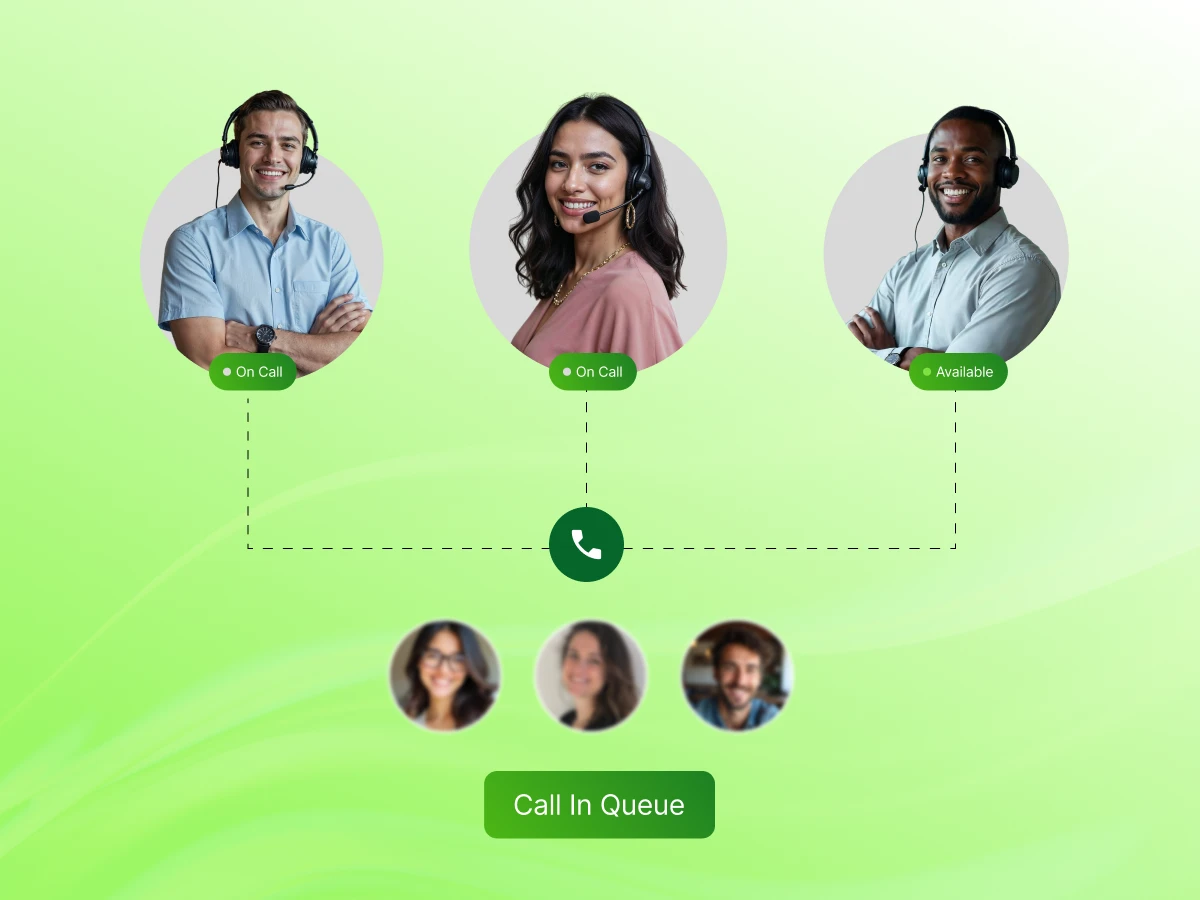
Waiting is something we all do, but nobody actually likes it.
Whether you are standing in a hot sun outside a store or stuck listening to elevator music on a phone call, waiting feels like wasted time.
But what if you could wait without actually standing in a line?
This is where the idea of an invisible queue comes in. It is a way to keep your place in line using technology while you go about your day.
In this blog, we will look at how this system works, why it makes people happier, and how it is changing businesses everywhere.
An invisible queue is a digital system that manages a line of people without requiring them to stand in a physical row.
Instead of a visible queue where you can see the person in front of you, a virtual queuing system stores your information in a database. You are given a digital “ticket” or placeholder.
This system is used in many places. You might see it at a busy restaurant where they take your name and phone number and tell you they will text you when the table is ready.
You also see it in contact centers where, instead of waiting on hold, you can request a callback option. The goal is to make the wait feel like it isn’t happening at all.
Therefore, an invisible queue moves the “line” from the floor to the cloud. It turns a boring, physical task into a digital process that happens in the background.
Now that we have a clear idea of what an invisible queue is, you might be wondering how the technology actually manages to keep your spot in line while you’re busy doing other things.
Understanding the mechanics of a queue system helps us see why it is so effective. It isn’t just magic; it is a series of steps that connect a customer to a service provider using a queue management system.
The process starts when you decide you need a service. You might scan a QR code at a kiosk, use a mobile device to join via an app, or call a business phone system.
In a call center, this happens the moment you dial the phone number. Instead of a busy signal, you enter a virtual waiting line.
Once you are in, the system needs to talk to you. It will send a confirmation. A good queue management software will calculate how many people are ahead of you and give you an estimated wait time.
This is crucial for customer satisfaction because it sets clear expectations.
This is the “invisible” part. While the system tracks your spot, you are free. You aren’t tied to a specific location.
In center operations, this might mean you hang up the phone while the center systems keep your place. You can do your chores or finish a task while you wait.
Nobody likes being left in the dark. A modern virtual queuing system sends real-time status updates.
If the line moves faster than expected, or if there is a delay, you get a text message or an app notification. This constant customer communication builds trust.
When it is finally your turn, the system alerts you. In a retail store, your phone buzzes. In a call center solution, the system automatically calls you back. You are then connected to a person for agent assistance. The transition from “waiting” to “being served” is seamless.
The journey from joining to being served is managed by software. It takes the guesswork out of waiting by using data and instant messaging to keep you informed every step of the way.
It’s easy to see how the system handles the data, but the real magic is how these digital lines change the way our brains perceive time, making a long wait feel like a breeze.
Have you ever noticed that 10 minutes of doing nothing feels like an hour, but 10 minutes of playing a game feels like a second? This is the psychology behind why a virtual queue is so much better for the waiting experience.
When you stand in a physical line, your time is “unoccupied.” You are just staring at the back of someone’s head. In an invisible line, your time is “occupied.” You are doing other things. Because your mind is busy, your perception of time changes, and the wait feels much shorter.
Uncertainty is the enemy of customer loyalty. Research shows that when customers overestimate how long they have waited, satisfaction drops significantly, which is why real-time queue updates matter.
When you don’t know how long a wait will be, you get frustrated. By providing a clear estimated wait time, businesses can improve customer feelings. You know exactly when to show up or when to expect a call.
We have all seen someone cut in line, which causes customer dissatisfaction. A digital queue system is perfectly fair. It follows a strict “first-in, first-out” rule. Because a computer is managing it, there is no bias, and everyone knows the system is treating them fairly.
Standing on hard floors for 30 minutes is tiring. An invisible queue allows you to sit down, stay in the air conditioning, or even stay home. This physical comfort goes a long way in keeping customer satisfaction high.
Using tools like IVR systems and AI voice agents allows businesses to talk to customers without a human having to do it every time. These systems can answer basic questions while you wait, which makes you feel like the service has already started.
The secret to a “fast” wait isn’t always speed; it’s how the person feels while waiting. By keeping people busy and informed, businesses can significantly improve waiting experience metrics.
Once you understand the psychology behind it, you’ll start to notice that you’re probably already using these types of “invisible” lines in your daily life more often than you think.
You are probably using these systems more often than you realize. They have become the standard in almost every industry that deals with a high volume of people.
In contact centers, the invisible queue is a lifesaver. When call volumes are high, rather than making you stay on hold, the call center solution offers a callback. The call distribution software remembers your place.
This reduces call abandonment rates because people are happy to hang up if they know they won’t lose their spot. It’s especially important because 54% of callers hang up within 8 minutes if they’re left waiting.
Think about modern healthcare. Many clinics now use virtual waiting line software. You check in from your car using your phone. You only walk into the building when the doctor is actually ready for you. This keeps the waiting room empty and safe.
In the BPO industry, managing inbound call and outbound call traffic is complex. They use predictive dialer tools and crm integration to ensure that when an agent is free, the next customer in the virtual queue is connected immediately.
This makes the whole operation run like a well-oiled machine.
Restaurants are the classic example. The “pager” or the text message system is a physical version of an invisible line. It allows you to walk around a shopping mall or wait in a bar nearby, rather than crowding the entrance of the restaurant.
From your doctor’s office to your favorite pizza place, invisible queues are everywhere. They are used to manage crowds and improve the flow of business without making people feel like cattle.
Even though these systems are used everywhere, setting them up isn’t always perfect, and businesses have to solve a few common problems to make sure everything runs smoothly.
While these systems are great, they aren’t perfect. Setting them up requires careful planning to avoid customer issues.
The Problem: When people can’t see who is in front of them, they get nervous. They start to worry that the system has crashed or that they have been forgotten. If they don’t have a visual, their waiting time can feel much longer than it actually is.
The Solution: You have to give them a window into the process. Use a queue system that sends an estimated wait time right to their phone. When people know they have 15 minutes left, they relax. Keeping them in the loop is the best way to improve customer trust.
The Problem: Many businesses already have software they use every day. If the new virtual queue doesn’t play nice with the old systems, employees end up doing double the work. This slows everything down and can mess up customer experiences.
The Solution: Pick a queue management system that connects easily with what you already have. For example, a good CRM integration lets your staff see exactly who is in line and what they need without switching tabs.
The Problem: There is nothing worse than a customer missing their turn because a notification didn’t go through. If a text message is delayed, the spot in line goes to waste, and you end up with a very frustrated person.
The Solution: Use a reliable system that sends multiple alerts. Send one when they join, one when they are five minutes away, and a final one when it’s time. Using both app notifications and text ensures that customer communications actually land where they should.
The Problem: On a busy holiday or during a big sale, call volumes can skyrocket. If your system isn’t strong enough, the queue capacity might max out. The app might lag or crash just when you need it most, leaving hundreds of callers are placed in a broken line.
The Solution: Use a cloud-based call center solution that can grow on the fly. These systems are built to handle a rush. Whether you have 10 people in line or 10,000, the software should stay fast so that customer satisfaction levels don’t drop when things get busy.
Technology can sometimes fail, but with the right queue strategy and reliable software, these challenges can be managed. The key is to keep the human element in mind.
When those technical hurdles are cleared, it becomes easy to see why certain industries rely on invisible lines to keep their customers happy and their operations organized.
Not every business needs an invisible line, but for some, it is the only way to survive high demand.
In high-end stores, having a long line at the door looks bad. Instead, they use an invisible line. You give your name, browse the neighborhood, and get a text when a personal shopper is ready for you. This keeps the customer experience feeling premium.
Government offices like the DMV or busy banks use queue management to stop people from getting frustrated. By allowing people to book a spot online, they increase customer flow and reduce the “angry crowd” feeling in the lobby.
In real estate or law firms, people often have to wait for specific experts. Using a virtual assistant to manage these arrivals ensures that the professional isn’t interrupted and the client feels valued.
For any call center, managing the average speed of answer is a top priority. Implementing callback options and IVR systems ensures that even during peak hours, call abandonment stays low. It allows agents to focus on agent assistance rather than apologizing for long hold times.
Streamline calls, texts, and client follow-ups with Dialaxy’s tailored real estate phone solution.
Empower your firm with smarter communication and seamless client engagement designed for professional service firms.
Whether it’s a high-tech contact center or a local boutique, invisible queues help businesses stay organized while making the customer feel like a VIP.
The invisible queue is more than just a piece of technology; it is a new way of thinking about how we treat people. In a world where everyone is busy, nobody should be forced to stand still and do nothing. By using a virtual queuing system, businesses can improve customer experience, reduce stress, and operate more efficiently.
In the end, the best way to handle a wait is to make it disappear. For businesses, this means better customer satisfaction levels. For you, it means the freedom to live your life while you wait your turn.
An invisible queue is a digital line where your position is tracked by a computer system instead of you having to stand in a physical line. You can join via a phone, app, or kiosk, and you are notified when it is your turn.
A single queue is a system where everyone waits in one line for the next available service person. Instead of multiple lines where one might move slower than the other, a single digital line ensures absolute fairness and the fastest possible service for everyone.
In call centers, these systems help manage call volumes. Instead of waiting on hold, callers can choose to receive an outbound call when an agent is available.
Yes! In business terms, we call this reducing the abandonment rates. When people see a long physical line, they often leave. But if they can join a virtual waiting line and go do something else, they are much more likely to stay and complete their purchase.
Not necessarily. While there are complex central systems for large corporations, there are many affordable queue management software options for small shops and restaurants that use simple SMS or tablet-based apps.
