

Remote Workforce Explained: Importance, Benefits, and Management Tips

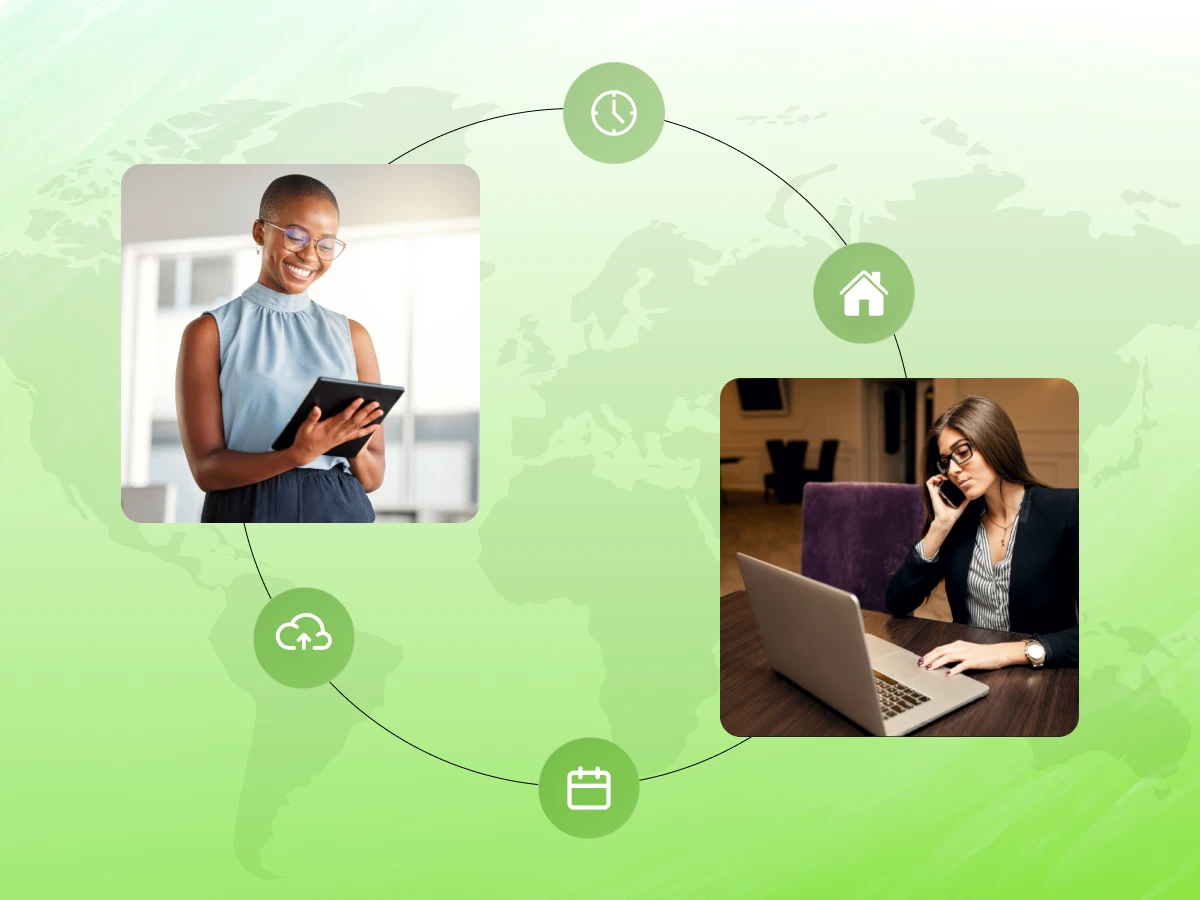
A major change is being experienced today in the contemporary workforce. Many people are choosing to work at home compared to the past years. The change provides businesses with a chance to hire the best talent in the world, irrespective of the location.
The benefits of the remote workforce are many, as they involve both cost reduction and better work-life balance for the employees.
However, there are certain problems that are related to the management of a remote team, like effective communication and the establishment of a favorable corporate culture. Organizations planning to be successful should invest in the right technology stack and clear management policies.
In this blog, we address the principles of benefits, tools required, and the process of managing a successful and productive remote workforce in the present day.
A remote workforce is a group of people who work away from an office. They do their jobs at home or in a shop using the web. It does not matter where they are if they do good work. This way of working is about the job done, not the desk used.
Remote workers do the same tasks as people who sit in a big building. They share the same goals, but they use a computer to remotely communicate with their team. This lets people live anywhere and still keep their jobs. It is a new way to work that fits our lives today.
These teams use video and chat apps to talk and share new ideas. This gives people more freedom and helps them stay quiet and focus on their tasks. Without office noise, many people finish their work faster. It shows that bosses trust their staff to work hard alone.
Long ago, working from home was rare, and most people did not do it. The web was slow, and it was hard to talk to the office. Many bosses did not like it because they could not see their staff. It was a lonely way to work back then.
Sending a file took a long time because the web was slow. Video calls did not work well, so people just used the phone or email. Computers were heavy and cost a lot of money. Most people stayed in offices because the tech was too slow.
Everything got better when fast web and easy apps became available to everyone. New laptops are powerful and let people work from anywhere. These tools help teams work together from all over the world. Now, even small shops can use the same great tools.
COVID-19 forced everyone to work from home. Companies had to learn fast and get new tools to stay open. What started as a short fix became a way of life. Now, many people work at home and in the office.
Now, people do not want to go back to the old ways because this works well. Workers love the free time, and companies save money on big buildings. Employees proved they can do a great job from home. Thus, the remote workforce will stay for a long time.
Telecommuting is highly significant to companies nowadays. It assists them in getting the right people and retaining them. A majority of the employees desire to work at their preferred location.
When an organization allows individuals to work at home, it will be able to expand more and remain powerful. This is a very nice method of working and achieving success.
You can hire the best workers from any city or country. You do not have to pick only the people who live near your office. It lets you build a team of very smart people with the best skills. When you have the best staff, your business can do much better than others.
People love having the freedom to work from home. They can spend more time with their family and skip the long drive to an office. Happy workers usually stay at their jobs for a much longer time. It shows that the boss trusts them to do a good job on their own.
Many companies now let their staff work from home. If you do not offer this, the best workers will go to a different company instead. You need to offer the same perks to keep the most talented people on your team. It helps your business stay popular and strong in the market.
Remote teams use quick apps to talk and share ideas in seconds. They do not have to wait for a meeting in a small room to fix a problem. It helps a business change plans fast when things in the world change. Being quick helps a company stay ahead of any new challenges.
The presence of a team at other locations will ensure that you are able to assist customers at any time of the day. You will be able to have employees on the job, and be asleep. It renders your customers extremely pleased since they receive responses immediately. It is the most appropriate way to ensure that everyone receives the help they need.
Remote working is beneficial to companies, employees, and the world in a variety of ways. It helps to save money and feel better about their jobs. The fact that people are not forced to commute to an office gives them additional time and reduces stress.
Let’s look at the benefits of a remote workforce for companies, workers, and the world.
Save a Lot of Money: It saves money for businesses since they do not need to rent large offices. They use less money on lights, heating, and office desks. Other firms shut down their offices and save millions of dollars. This additional capital assists in the expansion of the business.
Hire from Anywhere: A company is able to get the best employee in any city or any country. They do not have to be confined to the local residents. This applies to specialist roles too – business can hire a virtual accountant or fractional finance expert remotely instead of limiting the search to local candidates. It contributes to a very strong team that has numerous skills. When you have the opportunity to search the entire globe, it is simpler to find professionals.
Get More Done: Employees take more work home because it is quiet. They do not have loud office sounds to distract them. They are able to concentrate on tough jobs and complete them earlier. The better the employees concentrate, the better the entire company is.
Keep Good Workers: When trusted, people work longer at their jobs. Recruitment and training of new employees is very expensive. When employees are content at home, they will not wish to quit. This makes the team more powerful and also saves the company money.
More Free Time: Employees save much time since they do not need to commute to the workplace. They are able to use this time to spend time with family or exercise. This will make people feel less stressed and more in control. It is much better to have additional time a day.
More Freedom: Remote workers can decide how and when they work most effectively. There are those who prefer to work early and others later. The liberty of people makes them more satisfied with their jobs. Happy people are at their best work.
Save Personal Cash: Telecommuting eliminates gas costs, repair costs, and bus costs. Employees also save on work attire and lunch out. This will save them additional money every month. It is an excellent method of saving for families.
Better Health: Individuals are healthier when they are working at home. They are able to prepare healthy food and have short breaks to have a walk around. They are also able to regulate the light and noise in their room. This assists the body and the mind to be robust.
Help the Planet: The reduced number of cars in the air leads to reduced pollution. This prevents the earth and combats climate change. The amount of power consumed by offices is also reduced when no people are present. It is an easy way of taking care of our world.
Help Local Shops: Consumers also spend more money in stores closer to their homes rather than in major cities. This is beneficial to local cafes and stores. It strengthens and makes small neighborhoods more successful. Working remotely distributes wealth.
When managing teams that are not in conventional offices, managers are faced with special issues. Without face-to-face communication, barriers to communication will usually emerge. Today, leaders should strive to ensure that the level of employee engagement is high.
These obstacles require very intentional strategies. Let’s look into it.
Digital channels sometimes fail to capture the nuance of human conversation. Remote workers miss visual cues during important business communication sessions. This lack of contact leads to frequent misunderstandings between colleagues. You must over-communicate to ensure everyone stays aligned.
For example, a contact center director sends a short email about new goals. A remote team member reads the message and feels very anxious. They miss the supportive tone present in a live meeting. This creates unnecessary stress for the worker.
Building a sense of belonging is difficult without a physical office space. Remote employees often feel isolated from the core company culture over time. Teambuilding activities require more planning when people work from different locations. Managers must prioritize social connections for morale.
Imagine a team that only talks about active tasks and deadlines. No one knows about birthdays or personal milestones during the work week. The employees eventually feel like numbers rather than valued individuals. This leads to higher turnover for the business.
Accountability looks different when you cannot see people at their desks. Some managers struggle to trust remote workers without constant direct supervision. They might worry about productivity or how people spend their time. Results must become the primary metric for success.
Take an example of a manager who will check on status updates every half an hour every day. This action is an indication of distrust towards the remote workers. The employee gets frustrated, and he/she no longer have the motivation to give their best. This micromanagement, in fact, reduces productivity.
Choosing the right software makes remote workforce management much easier for everyone. You need team collaboration tools that are reliable and simple for your remote team to use daily. Here are the best options for your modern workforce.
Dialaxy and RingCentral are top choices for a VoIP service and video conferencing. Slack and Microsoft Teams allow for quick live chat and team collaboration throughout the day. These digital channels keep your remote workforce connected and informed in real time.
For example, a remote job at a large company uses Slack for daily water cooler chats. They use Nextiva for high-quality video calls with clients to improve the customer experience. This mix of tools handles every communication need from any location.
Asana and Trello are used to assist teams in handling project-based, complex campaign management activities and deadlines. The Monday.com provides a visual means of monitoring productivity of employees as well as the status of projects at the organization.
These sites ease the burden associated with overseeing a distributed group since the progress of the team is evident.
As an example, a virtual team makes use of a Trello board to relocate job ads across phases. All are aware of which of the candidates is in the interview process without having to enquire about the status. This transparency assists in keeping all the employees in the remote workforce accountable.
Google Workspace and Microsoft 365 are the standards in the industry regarding the possibility to collaborate remotely on documents. The customer stories and other sensitive company files are safely stored in Dropbox and Box.
These tools make sure that all the working employees, who work remotely, can get the most recent information with ease.
Imaginatively, a virtual call center has a team that requires a common training manual. They save the PDF in a common Google Drive account so that anyone can gain access immediately. This will not allow the use of outdated files by people during their shift.
Okta and Duo provide secure access to company apps for your global talent pool. Windows Virtual Desktop allows remote workers to use a traditional office computer setup from their home office. These solutions make it easy for the IT team to manage hardware.
For example, an employee logs into Okta to see all their work apps in one place. They do not need to remember ten different passwords for their daily communication tools. This saves time and keeps the company network very safe from outside threats.
15Five and Lattice assist managers in monitoring the engagement and performance of employees by conducting regular check-ins. Time Doctor offers information about how remote workers spend their day to allow them to focus better. These applications assist you in investing in the development of workers and tracking business performance.
As an example, a manager reads weekly reports written by his or her remote employees via 15Five. They get to know who is getting burnt out and who requires additional assistance in what they are doing. This information enables more effective coaching and increased retention rates of employees in the long-run.
LastPass and 1Password store the credentials of the team to avoid data breaches and identity theft. CrowdStrike and Norton safeguard laptops and smartphones against viruses when workers are on public networks. Security tools can help secure your customer data and your brand presence.
An example is when a company shares an online social media account with the marketing team using 1Password. The real password is never known to anybody, and this ensures that the account is not hacked. This is to shield the company against the departure of a worker.
Industry Solutions
Nov 25, 2025
Read More
Call & Contact Center
May 25, 2026
Read More
A healthy remote workforce today is based on effective leadership. Managers have to change their forms to accommodate the remote employees working in other locations. These best practices will ensure that you can perform highly and have high employee engagement levels.
Omnichannel communication ensures that every remote team member feels informed. You should share company updates and mission goals through a reliable communication tool regularly. This prevents the isolation that remote workers often feel when they lack face-to-face interaction.
For example, a manager hosts a quick video conferencing session every Monday morning. They discuss the week’s priorities and answer questions about active campaign management tasks. This routine keeps the remote workforce aligned and reduces any potential for misunderstandings.
The greatest element of a working remote workforce strategy is trust. You need to allow your telecommuters to have the autonomy to set home office hours. Micromanagement kills morale and complicates the process of dealing with a distributed team.
Take the example of a supervisor who no longer follows up on the minutes that an employee is spending at the laptop. Rather, they rely on the team to address their duties and deliver all their deadlines. This freedom will enhance the employees’ feeling of respect and their general contentment and loyalty to their jobs.
Measuring business outcomes is more effective than watching the clock in a traditional office. Use workforce management tools to track key performance indicators and team progress toward shared goals. This approach allows you to reward the actual value that remote workers bring.
For instance, a contact center director reviews the customer experience ratings and resolution times. They notice that the remote team is hitting all targets for conversational commerce and live chat. The director praises the results during the next team collaboration meeting to boost morale.
A good company culture takes a planned investment when you are not in the same office. Get virtual teambuilding events to enable individuals develop friendships at work and achieve a feeling of belonging. Such instances of connectedness are critical to the retention of employees in the long run.
An example of a team that can be discussed is a team that has a virtual lunch or a fun game once a month. They discuss their interests and share customer testimonies to build comradeship and trust. This social time assists the contemporary workforce to remain in touch with each other outside of their working and their workloads.
Streamline your business communication and ensure every team member is just one click away.
Improving your remote team requires a clear and logical plan. You can follow these practical steps to build an efficient modern workforce. These actions help reduce costs and keep workers happy.
Start by looking at how your remote team shares information daily. Identify if people are using too many different apps for the same tasks. Pick one primary communication tool for chats and another for video conferencing.
For example, a contact center realizes they are using both WhatsApp and Slack for internal messages. This split makes it very hard to find old instructions or customer stories. They decide to move all business communication to Slack.
Ensure every employee who works remotely has access to the same software. Create a standard list of tools for project management and security essentials. This consistency helps with remote collaboration and IT support.
For instance, a company decides that every remote team must use Trello for campaign management. They stop allowing individual teams to pick their own random apps. This change allows different departments to see progress.
Establish a habitual video meeting process and performance reviews. The management of a remote workforce is successful when managers can give effective feedback. Monitor business results and targets with the help of workforce management tools.
As an example, a manager begins to conduct ten-minute video calls daily at 9 AM, referred to as stand-up. Remote employees provide their three best objectives and problems. This practice creates responsibility and maintains focus.
Arrange planned team building events to enhance employee involvement and motivation. Budget for training courses should also be provided by you as an opportunity to invest in employee development. Such activities assist in retention and also leave the workers feeling appreciated.
Take the example of a company that has a virtual coffee hour, which is held every Friday afternoon. They also give an annual credit to the workers to take online classes. These benefits assist the workforce that is remote in developing professionally.
Revise your security policy to provide home office guidelines. Secure your brand through encryption technology and passwords. Ensure that all the remote workers are aware of the means to report threats.
As an example, the IT team also provides a network preparedness test to each new remote job hire. All the laptops are equipped with a secure VPN and two-factor authentication. The practice will keep sensitive information secure.
Protect your business data with Dialaxy’s secure VoIP infrastructure.
The way we work is moving toward a permanent mix of home and office. The “new normal” is not just about where we sit, but how we use technology and flexibility to get things done.
Most companies are choosing a “structured hybrid” plan where people come in on set days for group work. In the future, the office will become a place for “anchor days”.
It means you only go into the office for big meetings, brainstorming, or social events. Most people prefer this because they get the quiet of home for deep work and the energy of the office for teamwork.
Remote meetings will be more authentic through such technology as AI and Virtual Reality (VR). AI will be able to note down the calls, correct the schedules, and even assist individuals speaking different languages to converse with each other without any hassle.
Such devices will make each feel as if they are in the same room.
Digital wellness and mental health will become the priority of future leaders. Given that work and home life can hardly be separated, employers will provide such benefits as home office allowances and mental health support apps.
It is aimed at ensuring that workers remain happy and hence work longer with the company.
Remote working is a change in the business approach that cannot be reversed. Those companies that hire a remote group of workers can access more talent and save on rent. Employees obtain a more balanced work-life and escape the stress of a great distance to work. It is a healthy approach to work when he/she does it with trust and care.
To achieve success, it is necessary to have the appropriate tech stack that will keep the digital channels open and secure. Business managers need to be results-oriented as opposed to time-keeping in order to develop accountability.
Home and office will be a hybrid form of workplace in the future. Investing in worker engagement and wellness will make them stay longer. With the development of technology, such as AI, remote work will be even more accessible to global talent.
Join thousands of businesses using Dialaxy to manage their remote teams with ease and professional excellence.
Communication barriers and collaboration obstacles require attention and solutions constantly. Building company culture takes more effort remotely than in offices. Employee engagement needs intentional strategies to maintain over time. Time zones complicate scheduling for distributed teams working globally.
Create regular opportunities for connection through video meetings and events. Organize virtual teambuilding activities and celebrations for the team regularly. Communicate the company values and mission frequently to everyone clearly. Plan occasional in-person retreats when possible and budget allows.
Most knowledge work translates well to remote settings easily nowadays. Contact centers and customer service work remotely successfully with tools. Some roles require physical presence or specialized equipment, still obviously. Evaluate each position individually for remote suitability and feasibility.
Remote workers control their environment for better focus and concentration. They eliminate commuting and reduce workplace distractions significantly. Clear goals and accountability drive results more than supervision does. The right tech stack enables efficient workflows and smooth collaboration.
To stay connected, you need a few different tools. Dialaxy is a great choice for making phone calls to customers. For quick text messages, apps like Slack work well. If you need to see each other “face-to-face,” use Zoom or Google Meet for video meetings.
