

STIR/SHAKEN: Definition, Benefits, and Business Use Cases

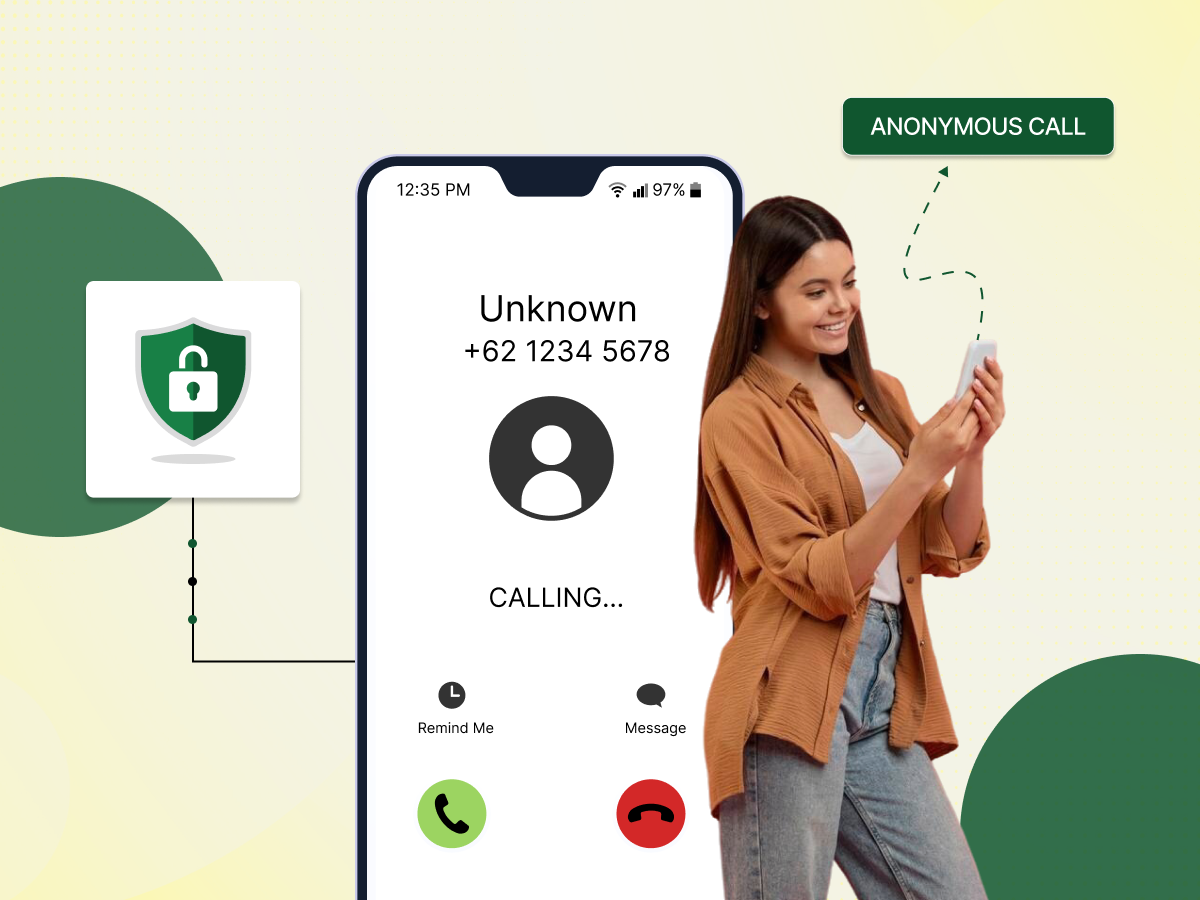
Are you tired of your important business calls being ignored or flagged as “Scam Likely”? In today’s competitive market, trust is your most valuable currency. Every time a customer declines your call, you lose a potential sale and damage your brand reputation.
This is where STIR/SHAKEN technology becomes your most powerful asset. This cutting-edge authentication framework is the industry standard for securing telephone identities and restoring consumer confidence.
Verifying the source of every call, it ensures your legitimate outreach stands out from the flood of illegal robocalls.
In this guide, we explore how this technology works, the massive benefits it offers, and how you can implement it to dominate your market with a trusted, verified presence.
STIR/SHAKEN is a technology standard designed to combat caller ID spoofing. It verifies the telephone identity of calls originating from various networks. This framework adds a critical layer of trust for consumers.
A verified number passes through a strict verification process. It receives a digital signature from the telephone service provider. Unauthenticated numbers lack this proof and often trigger spam warnings.
| Feature | Standard STIR Number | Unauthenticated Number |
|---|---|---|
| Identity Proof | Digital certificate attached | No verified identity |
| Caller ID Status | Often shows as “Verified” | May show “Scam Likely” |
| Trust Level | High (Level A or B) | Low (Level C or None) |
| Spoofing Risk | Extremely low | High risk of being fake |
The table above compares how networks treat different call types. It shows that verified numbers use digital certificates to prove their origin. In contrast, unauthenticated calls lack these protections and face higher blocking risks.
The process uses public key cryptography techniques to protect users. It involves three main steps to validate every telephone call. This ensures the caller id information remains accurate throughout the journey.
The process starts when a user or business dials a number. This initiates a session initiation protocol message. This request travels to the originating service provider network. The provider immediately begins evaluating the caller’s identity.
The originating provider checks its records to confirm the customer. They assign an attestation level based on how well they know the caller. Then, an authentication service creates a digitally signed signature.
The call reaches the terminating provider network with the identity token attached. This provider must now prove the signature is valid before the phone rings. It checks the asserted information using tokens.
Attestation levels act as trust ratings assigned by the originating carrier. They tell the receiving network how much they should trust the caller ID information. These levels directly impact whether your telephone calls get flagged.
The provider knows the customer and confirms they have the right to use the number. This happens when a business uses its own VoIP system for outbound calls. It offers the highest level of caller id authentication.
Example: Imagine a local hospital calling a patient to confirm surgery. If the hospital uses its own verified lines, the carrier gives a Level A. This tells the patient the telephone identity is safe to answer.
The provider knows the customer but cannot verify the source of the phone number. This often occurs when calls come from an enterprise PBX located behind a private network. The identity is certain, but the number source is not.
Example: Imagine a large company using a third-party dialing service for its support calls. The carrier knows the company is legitimate, but cannot verify the specific number source. This results in a Level B rating.
The provider is merely passing the call from another network, like an international gateway. They cannot verify the calling party or the number. These calls have the highest risk of being blocked by robocalling mitigation systems.
Example: Consider a call coming from a small international carrier into the local network. The local provider has no data on the secure telephone identity. They assign a Level C to the call, often triggering a spam warning.
| Attestation Level | Trust Level | Verification Scope | Risk of Spam Label |
|---|---|---|---|
| Level A (Full) | Highest | Verified customer and number | Very Low |
| Level B (Partial) | Medium | Verified customer only | Moderate |
| Level C (Gateway) | Lowest | No verification of source | Very High |
The table shows how carriers rank telephone identities during the verification process. Level A provides the best results for your reputation in the telecommunications industry. Level C often leads to calls being marked as “Spam Risk.”
Dialaxy helps you achieve Level A attestation so your customers always see a verified badge.
Moving to Level A is essential for any business that relies on the telecommunications industry for outreach. This change ensures your caller id information remains trusted. It prevents your telephone calls from being blocked by spam filters.
You must provide your telephone service provider with official business documentation. This includes your tax ID and legal address. The provider needs to link your company to your VoIP system. This creates a foundation of trust for caller id verification.
You must prove that your company has the legal right to use specific telephone numbers. Your provider checks these records against a governance authority database. Once ownership is confirmed, the provider can move you away from gateway attestation.
If you use a third-party dialer, ensure it integrates directly with your main carrier. This allows for secure telephone identity signing at the point of origin. When the carrier signs the call directly, they can grant full attestation.
Review how your telephone networks handle outbound traffic. Avoid using international gateways that strip away your digital certificates. Ensure the SIP identity header stays intact from the start to the end of the call.
Check your numbers regularly for “Scam Likely” labels. Use stirshaken solutions to track your attestation status across different carriers. Maintaining Level A status requires consistent compliance with federal communications commission rules.
| Action Item | KYC Registration | Number Proof | Direct Carrier SIP |
|---|---|---|---|
| How It Helps | Proves who you are to the carrier | Proves you own the caller ID | Keeps the digital signature intact |
| Resulting Level | Moves from C to B | Moves from B to A | Ensures Level A stays |
This table shows the practical path toward better caller id authentication. By following these steps, you protect your telephone identities from being flagged. This results in higher answer rates and better customer engagement.
Using STIR/SHAKEN offers major wins for your company. It restores trust in telephone networks by making every call clear. These perks help your sales and keep your customers happy.
The biggest win is saving your brand reputation. Without caller id authentication, carriers might mark your calls as “Scam Likely.” STIR/SHAKEN proves your telephone identities are real. This stops bad labels and ensures people do not ignore your calls.
Imagine a local pharmacy calling a patient about a life-saving prescription. Without verification, the patient’s phone flashes a “Fraud Risk” warning, and they decline the call. With STIR/SHAKEN, the pharmacy name appears clearly, ensuring the patient gets their medicine on time.
Trust makes people pick up the phone. Research shows users are 4x more likely to answer a “Verified” call. When your calls originating from your network have high trust, they show a checkmark. This gives people confidence to talk.
A solar energy company struggling with a 5% answer rate implements stirshaken solutions. Suddenly, their calls display a “Verified” badge on major mobile networks. Their answer rate jumps to 20% because homeowners no longer fear they are talking to a bot.
Id spoofing is a huge risk for your security. Criminals often pretend to be your company to steal money. STIR/SHAKEN uses digital certificates to stop these fakes. It prevents bad actors from using your name for illegal robocalls.
A regional bank notices that scammers are using the bank’s main office number to trick seniors into giving up passwords. By using secure telephone identity protocols, the bank ensures that only its real calls get a “Verified” status. Fake calls are automatically flagged or blocked.
Trusted calls mean your team works better. You spend less time on blocked calls and more time talking to prospects. You do not have to change your caller id information constantly. This makes your work more cost-effective.
A logistics firm used to buy hundreds of new phone numbers every month because their old ones were “burned” by spam filters. After fixing their attestation level, their primary numbers stay clean. They save thousands of dollars on hardware and number registration fees.
Using stir-shaken solutions gives you a clear view of your calling. You can see which telephone calls get a “Verified” status. This helps you find bugs in your VoIP system fast. You can then optimize every call you make.
A travel agency notices that calls to one specific city are consistently failing verification. By checking their call authentication data, they find a routing error in an international gateway. They fix the route, and their “Verified” status returns immediately across all regions.
Switch to Dialaxy’s trusted communication platform today.
Many industries rely on these protocols for daily operations. It secures different types of telephone calls across the country. Here are the most common ways businesses use this technology to succeed.
| Industry | Use Case | Business Goal |
|---|---|---|
| Sales | Lead Generation | Higher Answer Rates |
| Healthcare | Patient Alerts | Reduced No-Shows |
| Finance | Security Alerts | Fraud Mitigation |
| Support | Callbacks | Better CSAT Scores |
Now, let’s look into how business people achieve such a goal using STIR/SHAKEN.
Achieving “Full Attestation” is vital for sales teams. It ensures your numbers stay reputable and avoids the “Scam Likely” tag. Your campaign results improve because more prospects feel safe answering your signed call.
For example, a real estate agency reaches out to new homeowners. Because they use a verified VoIP system, their company name shows up on the screen. This professional look helps them book more viewings than their competitors.
Support agents often need to provide a callback to resolve issues. Verified calls ensure customers recognize your number immediately. This reduces frustration for the calling party and helps close tickets faster.
For instance, a tech company promises to call a customer back within one hour. When the phone rings with a “Verified” badge, the customer picks up instantly. They do not worry about a random number calling them.
Doctors and dentists use automated calls for important reminders. These calls must be trusted to reduce missed appointments and keep schedules full. It ensures patients receive critical information without any delay or doubt.
For example, a dental clinic sends an automated reminder for a root canal. Since the call uses caller id verification, the patient sees the clinic’s name. They confirm the appointment, which saves the clinic from losing money.
Banks use verified calls for high-stakes messages regarding account safety. Customers must know the bank is really calling before sharing any details. This use case is vital for global fraud prevention.
For instance, a credit card company calls a user about a suspicious charge. The user sees the bank’s official telephone identity and answers right away. They can block the fraudster immediately because they trusted the incoming call.
Proactively prevent scammers from spoofing your main business line. You keep control over your telephone identities and maintain a professional image. This stops bad actors from ruining the trust you built with your clients.
As an illustration, a popular retail brand notices scammers are faking their customer service line. By using stir-shaken solutions, the brand ensures only its real calls get a checkmark. This helps customers spot the fake calls easily.
Implementing these protocols is a straightforward process for most companies. You must work closely with your telecommunications industry partners to secure your lines. Follow these practical steps to verify your business identity.
Your current provider is responsible for the technical setup. Ask them if they offer stir/shaken solutions for your account. They handle the certificate management and signing of your outbound telephone calls.
Example: A marketing firm calls their carrier to check their status. The carrier explains that they can enable caller ID authentication for all lines immediately. This move ensures every call starts with a digital signature.
Be prepared to prove your business is real and legal. You must verify your company name and show that you own your telephone numbers. This documentation allows your provider to grant you the highest attestation level.
Example: A law firm submits its articles of incorporation to its phone company. Once the carrier verifies the data, they link the firm’s tax ID to their VoIP system. Now, every call is legally tied to the firm.
Pricing for these services varies depending on your provider. Some companies include it for free, while others charge a one-time setup fee. Always ask about the cost per telephone identity to manage your budget.
Example: A small business owner compares two different carriers. One offers free caller id verification, while the other charges five dollars per month. The owner chooses the free option to save on monthly overhead.
Check every path your calls take to reach the customer. This includes your call centers and any third-party marketing dialers you use. Every segment of the call must support the sip identity header.
Example: A retail chain finds that its remote office calls are not showing as “Verified.” They discover that an old gateway is stripping the digital certificates. They update the hardware to fix the call flow.
For text messaging, 10DLC is the equivalent trust framework for businesses. Together with STIR/SHAKEN, it secures all your mobile communications. Both systems require you to register your company to build a trusted reputation.
Example: A pizza shop registers its business phone number for both voice calls and SMS alerts. Now, their delivery calls show as “Verified,” and their text coupons are never blocked as spam. This total security boosts their sales.
Yes, STIR/SHAKEN is a legal requirement for phone companies in both the United States and Canada. Governments in both countries have set strict rules to ensure that every phone call is verified. This helps stop scammers and makes sure your business calls are not blocked.
The Federal Communications Commission (FCC) is the group in charge of these rules in the US. They have set several important dates that every phone company must follow:
The US government takes these rules very seriously. If a company does not follow the law, they face harsh punishments:
In Canada, the CRTC manages the system. They made STIR/SHAKEN mandatory for all modern IP-based phone services on November 30, 2021.
Canada uses “Administrative Monetary Penalties” (AMPs) to punish companies that break the rules.
Dialaxy handles the technical compliance so you can focus on growing your business.
STIR/SHAKEN has drastically changed the telecommunications industry for the better, but it is far from being an ideal solution. In 2026, we can expect technology to address the limitations of STIR/SHAKEN and provide new functionalities for businesses.
Even though STIR/SHAKEN has been a big success, there still exist methods for criminals to outsmart the system. Knowing these loopholes will give you an advantage in securing your telephone identities.
The next big step for telephone networks is Rich Call Data (RCD). This technology builds on top of STIR/SHAKEN to provide more information than just a phone number.
As scammers use AI to create fake voices, the industry is fighting back with smarter tools.
In a digital world where trust is increasingly rare, STIR/SHAKEN is the essential foundation for any business that relies on the telecommunications industry. By embracing this technology, you are not just following Federal Communications Commission rules; you are investing in your company’s future.
Moving to Level A attestation ensures your telephone calls are delivered with a “Verified” badge, instantly boosting your answer rates and operational efficiency. As we look toward 2026, the arrival of Rich Call Data and branded calling will offer even more ways to showcase your professional image.
Do not let scammers tarnish your reputation or block your path to your customers. Trusted communication is no longer a luxury; it is the key to closing more deals and building lasting customer loyalty in a modern world.
Join thousands of businesses using Dialaxy to deliver trusted, verified, and professional calls every single time.
No, it is not a complete block. It is an identity verification system. It helps carriers identify and flag suspicious calls, making it much easier to track and shut down illegal dialers while ensuring legitimate business calls get through.
STIR is the technical protocol that handles the digital signature in the call’s header. SHAKEN is the framework of rules that tells service providers how to use that protocol to verify and pass calls between networks.
This usually happens if your carrier has assigned you a Level B or C attestation. It can also occur if your numbers have been “burned” by high-volume dialing in the past. Moving to Level A attestation is the best way to fix this.
Yes. The FCC in the USA and the CRTC in Canada have mandated that all voice service providers implement these standards. As of February 2026, US providers must perform annual recertifications to stay compliant.
RCD is the future of STIR/SHAKEN. It goes beyond a simple checkmark to show your company logo, name, and the reason for the call (like “Appointment Reminder”) directly on the recipient’s screen, further increasing trust and answer rates.
