

Caller ID Reputation Explained: Why Businesses Should Care

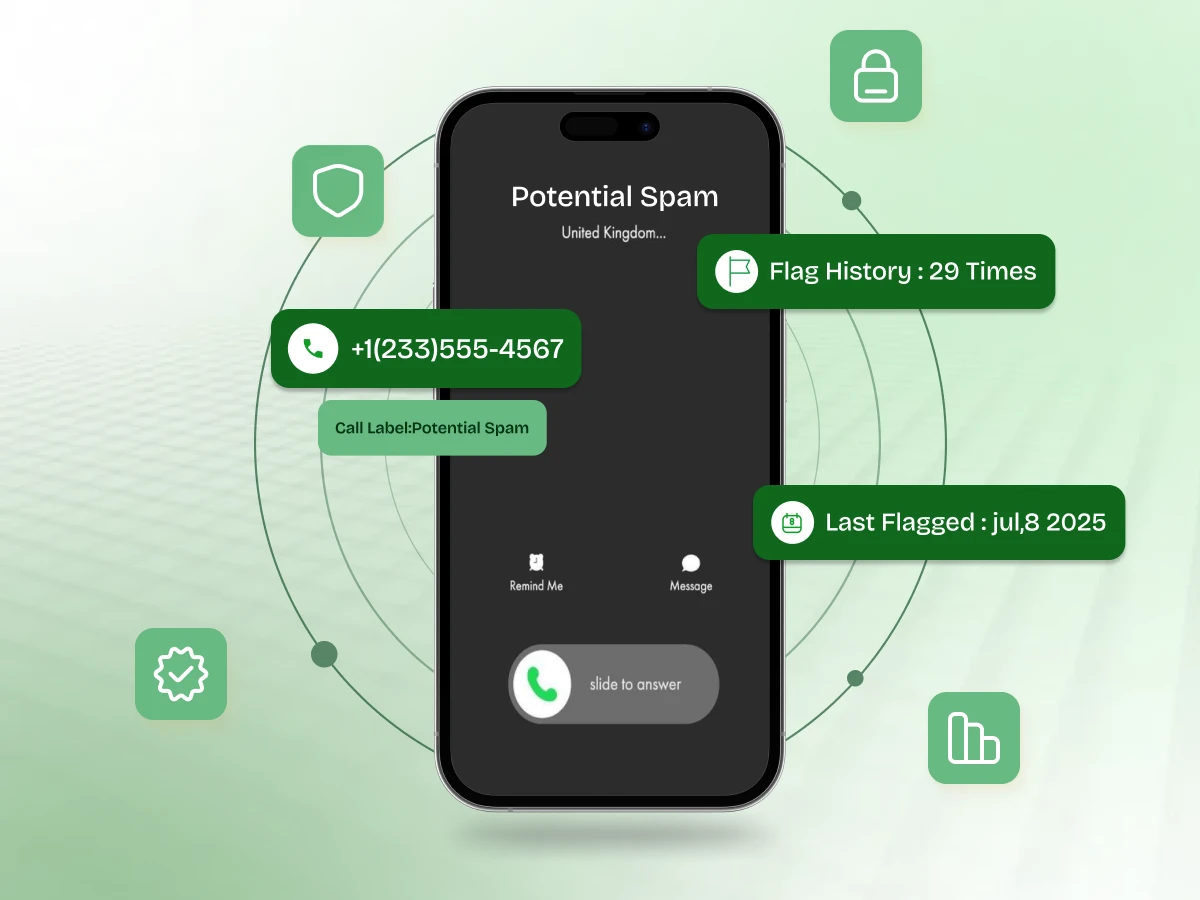
Your number appears on the customer’s screen before your voice reaches them. That moment decides everything. A strong caller ID reputation builds trust and shapes first reactions. A weak identity lowers connection rates and gets your outreach flagged as spam by major carriers.
Modern users judge calls instantly. They expect clarity, safety, and a clean caller ID that feels reliable. A trusted identity improves call answer rates and keeps your phone number’s reputation stable.
Brands fight for attention in crowded markets. A clean record builds confidence and keeps outbound calling productive. This guide shows why caller ID reputation matters, how it protects revenue, and how teams improve performance with better monitoring, better habits, and better strategy.
A caller ID reputation score shows how networks judge a number during outbound calling. The score reflects safety signals used by major carriers. It influences answer rates and shapes brand reputation for any team that depends on steady outreach.
The score forms when systems study call patterns, complaint activity, and engagement levels. These signals help protect users from spam or scam risks. A clean record supports connection rates because people feel more trust when identity details appear consistent across different networks.
A healthy score protects each phone number’s reputation during large campaigns. Businesses need this protection because risky behavior triggers are flagged as spam alerts. Clean data helps maintain stable performance for VoIP setups and improves overall call management across busy teams.
Strong identity signals support customer trust. People feel safer answering calls when the number looks reliable across their device. Continuous checks improve safety for inbound calling and outbound dialing. This creates steady engagement and reduces unexpected call blocking during high-activity periods.
Caller ID reputation shows how networks and analytics providers view your number’s trustworthiness. Caller ID Name (CNAM) only displays the caller’s name on the recipient’s device. Reputation affects call answer rates and connection rates, while CNAM primarily supports recognition and visibility during outbound calling campaigns.
Both systems are important for a strong identity. The ID’s reputation influences whether numbers get flagged as spam or face call blocking. CNAM helps customers recognize a line quickly. Using both ensures a consistent phone number reputation and strengthens brand reputation across major carriers.
Comparison Table
| Feature | Caller ID Reputation | CNAM |
|---|---|---|
| Purpose | Measures phone number trust | Displays the caller’s name |
| Spam Influence | High – can prevent spam labeling | None, only name display |
| Managed By | Carriers and analytics providers | CNAM databases |
| Impact on Answer Rates | High – affects call answer rates | Moderate – supports recognition |
| Supports Brand | Indirectly, through trust | Directly, through visibility |
The table shows clear differences between the two systems. Caller ID reputation protects against spam flagging and improves connection rates. CNAM improves recognition but cannot change network trust. Both combined support stronger call management, better customer trust, and higher call answer rates.
This example helps show real results. Many teams overlook daily call volume, then face sudden drops in answer rates. A structured fix improves connection rates, stabilizes outreach, and protects overall brand reputation across all carriers.
The Problem
A solar sales team used one number for high outbound calling every Monday. The spike looked unsafe to analytics providers. Their number was flagged as spam, and call answer rates dropped by thirty percent across several major networks.
The Fix
The team switched to controlled rotation. They reduced pressure on one line and verified identity through updated CNAM records. Balanced call patterns and clean call authentication improved caller ID reputation management over the next cycle.
The Result
The number recovered in fourteen days. Connection rates increased. Revenue stabilized as customers recognized the caller’s name again. The small shift protected long-term performance and improved phone number reputation for future campaigns.
Your caller ID reputation is calculated using multiple signals that carriers and analytics providers monitor. These include call patterns, call volume, engagement, complaints, and call authentication status. Each metric contributes to a number’s trust score and affects call answer rates and connection rates.
The general formula is:
Where,
III. STIR/SHAKEN Trust shows if a number is verified for call authentication. Verified lines reduce call blocking and protect the reputation. It ensures calls via VoIP or direct lines reach recipients reliably.
Risk Indicators track behavior that signals spam. Sudden call volume spikes or poor call management trigger alerts. Monitoring risks prevents flagged as spam labels, improves answer rates, and protects brand reputation.
Modern detection systems rely on strong automation. Carriers track risky outbound dialing patterns and label unsafe behavior quickly. AI protects networks from spam or scam activity.
Businesses need careful call management to maintain a stable reputation across providers.
Carriers study short calls, high drops, and failed attempts. AI detects robotic patterns fast. Clean signals support better call answer rates, help maintain brand reputation, and strengthen customer trust during both inbound and outbound communication.
Some systems review the first seconds of audio. AI checks for recorded messages and flags suspicious activity. Clear human speech improves trust, protects phone number reputation, and supports strong connection rates for VoIP app and carrier-based calls.
AI now reacts within minutes. A number can shift from clean to risky in one session. Continuous monitoring helps detect danger quickly. Fast action improves answer rates, strengthens caller ID reputation, and keeps campaigns safe across all carriers.
Even numbers with strong histories can lose trust. Industry studies show that unidentified or suspicious numbers are ignored 80% of the time. Low trust immediately affects call answer rates and overall outreach success.
Businesses often wonder why clean lines appear flagged as spam. Understanding triggers prevents lost connections. It protects brand reputation.
The following factors usually harm the caller ID’s reputation and affect connection rates.
Sudden increases in call volume raise suspicion. Networks see this as aggressive dialing. It can lead to call blocking or spam labeling. Keeping moderate call volume ensures stable performance. It supports improving call answer rates for outreach campaigns.
Unstructured campaign management reduces phone number reputation. Repeated calls without segmentation trigger warnings from carriers and analytics providers. Proper call management strengthens connection rates. It also protects customer trust. Numbers are less likely to be flagged as spam.
Calls that get blocked, ignored, or reported as spam or scam lower reputation quickly. Networks track these signals to assess trust. Improving call answer rates requires strong engagement. Active monitoring helps build customer trust across outbound calling campaigns.
Missing or outdated STIR/SHAKEN records reduce credibility. Analytics systems and carriers prefer verified lines. Proper call authentication improves the caller ID reputation. It ensures calls via VoIP apps or direct lines are recognized. It prevents unnecessary call blocking.
A single number handling multiple campaigns shows unpredictable call patterns. Networks flag these as risky. Careful rotation protects brand reputation. It ensures customer trust remains intact. Stable patterns support continuous monitoring.
A damaged reputation affects some sectors more than others. These industries depend on fast outreach and a clean phone number reputation. Dropped connection rates harm service delivery and reduce customer trust. Strong identity signals help maintain stable call answer rates across major networks.
Clinics rely on dependable outreach for reminders and lab updates. A number flagged as spam delays patient support and breaks trust. A clean record improves call answer, supports call management, and ensures safe communication through VoIP and traditional outreach systems.
Banks need trusted identity signals for fraud alerts and account messages. A poor caller ID label reduces engagement and harms brand reputation. Clean dialing improves answer rates, protects account safety, and maintains reliable outbound calling patterns for urgent cases.
Advisors depend on quick contact during active deals. Low connection rates reduce sales momentum and weaken customer expectations. Clean numbers protect revenue, support outbound dialing, and improve call answer rates for daily communication cycles.
Drivers must coordinate drop-offs through verified numbers. When lines are marked as spam, packages face delays and service quality declines. Healthy call patterns improve coordination, support call management, and strengthen brand reputation in time-sensitive environments.
Knowing your number’s health is essential for any outbound call center or VoIP setup. Many businesses assume a clean CNAM ensures success. In reality, phone number reputation depends on the carrier and analytics data.
Regular checks help maintain call answer rates, improve connection rates, and protect brand reputation.
Analytics dashboards track call patterns, complaint ratios, and spam labeling risks. Providers show trends that affect caller ID reputation. Insights guide call management, improve answer rates, and help protect phone number reputation across major carriers.
Numbers behave differently across networks like Verizon and other major carriers. Testing shows where lines may be flagged as spam. Early detection improves connection rates, supports call answer, and protects brand reputation during high-volume outbound calling.
Branded systems display the caller’s name clearly. Verified identity improves call answer rates and strengthens customer trust. These tools help maintain a clean caller ID reputation and ensure calls via VoIP apps or direct lines are answered reliably.
Manual checks confirm numbers are not marked as spam. They provide early warning for potential drops in call answer or connection rates. Early action protects brand reputation, supports continuous monitoring, and ensures reliable performance for all outbound dialing campaigns.
A “Scam Likely” label reduces call answer rates and damages customer trust. Networks assign this tag when numbers show risky call patterns or high call volume. Businesses need clear steps to restore credibility and protect brand reputation during outbound calling campaigns.
Too many calls in short windows raise alerts. Slowing the pace stabilizes call patterns. Balanced dialing prevents flagged as spam warnings and supports connection rates. Proper pacing also protects the phone number’s reputation and improves overall call answer performance.
Missing or outdated STIR/SHAKEN verification lowers trust. Updating records improves ID’s reputation, reduces call blocking, and strengthens connection rates. Verified identity ensures calls via VoIP or direct lines reach customers reliably and protects brand reputation.
Submitting number details to analytics systems signals trust. Registered numbers face fewer spam labeling issues. This step maintains a clean phone number reputation, strengthens customer trust, and supports continuous monitoring for all outbound call center activity.
Using one line for multiple campaigns looks suspicious. Careful rotation preserves the caller ID reputation. It prevents call blocking, protects brand reputation, and keeps connection rates steady during large outreach campaigns.
Structured campaigns with clear segmentation reduce complaints. Organized call management improves call answer rates and maintains customer trust. It protects phone number reputation across major carriers and supports high-volume outbound dialing workflows.
Maintaining a strong caller ID reputation requires small but consistent habits. Smart teams focus on call management, connection rates, and monitoring trends across major carriers.
These actions protect phone number reputation, improve call answer rates, and build long-term customer trust for outbound calling campaigns.
Short, controlled dialing reduces network suspicion. Balanced timing keeps call patterns natural and prevents them from being flagged as spam. Smaller windows support stable connection rates, improve call answer, and protect brand reputation for all outbound dialing or VoIP app campaigns.
New lines need gradual activity to gain trust. A warm-up period protects the phone number’s reputation. Slow growth prevents spam labeling. This approach ensures better call answer rates, strengthens customer trust, and supports clean outbound call center operations.
Combining service calls with sales outreach balances engagement signals. Mixed activity reduces spam or scam alerts and improves call answer rates. It supports connection rates, protects brand reputation, and builds trust during both inbound calling and outbound dialing campaigns.
Routine checks allow early detection of problems. Daily reviews improve call management, protect phone number reputation, and keep call answer rates consistent across all major carriers and VoIP lines.
Long-term success depends on good habits. Healthy numbers protect business communication across all outreach stages. Strong practices support quality for call answer performance and connection rates. They also protect trust across major carriers. These best practices guide stable results for all operations.
Clean data prevents risky outreach. Valid lists protect identity quality. Accurate information improves call management. Good data supports reliable call volume planning. Clean lists reduce complaints. They help maintain trust during high activity cycles.
Even distribution keeps call patterns natural. Networks prefer steady movement. This prevents flagged as spam issues. Balanced activity improves answer rates. It builds stronger credibility for each campaign. Customers respond better when calls look predictable.
Agents influence number health through daily habits. Professional conduct reduces risk. Correct pacing protects identity across networks. Training also strengthens brand reputation. Better conduct creates trust. It improves outbound calling results and supports cleaner analytics data for each campaign.
A branded caller ID helps people recognize calls instantly. It improves caller ID reputation and strengthens confidence. Verified branding supports better call answer rates. Customers feel safe seeing clear identity details. This practice builds long-term stability across all communication systems.
Your reputation decides whether your call earns a hello or silence. A clean caller ID supports safe outreach, lifts answer rates, and protects daily workflows. A damaged identity reduces trust and leaves important calls buried under spam or scam labels across major networks.
Strong caller ID reputation follows brands that monitor their lines. Healthy numbers improve connection rates and reduce call blocking during high call volume periods. A clean phone number reputation supports smoother call management and gives every campaign a stronger chance of reaching real customers at the right moment.
Growth begins once trust returns to your identity. Better signals drive conversions and support reliable contact across all outbound calling cycles. Keep your numbers clean, keep your presence strong, and keep your brand ready for every call that shapes customer belief.
Ready to protect your brand and boost connection rates?Keeps your numbers trusted across all carriers with Dialaxy.
No. Improving caller ID reputation takes time. Networks need to see consistent call patterns, reduced call volume, and fewer complaints. Regular call management and proper call authentication gradually restore trust and improve connection rates.
Changing CNAM only updates the caller’s name displayed. It does not directly improve phone number reputation. Proper caller ID reputation management and verified identity are needed to prevent spam labeling and protect brand reputation.
There is no exact limit. Excessive call volume or sudden spikes can trigger flagged as spam alerts. Balanced dialing, steady call patterns, and monitoring engagement improve call answer rates and protect customer trust.
No. Major carriers have different thresholds and analytics systems. A number might be trusted on one network but flagged as spam on another. Consistent call management and continuous monitoring help maintain a clean phone number reputation across networks.
It usually takes a few weeks to a few months, depending on the issue’s severity and your calling practices.
Use analytics providers, test calls across networks, and track call answer rates daily. Routine checks of outbound dialing, VoIP, and call authentication records maintain a strong caller ID reputation and protect brand reputation over time.
