

What Is a Virtual Call? Meaning, Benefits, and How It Works

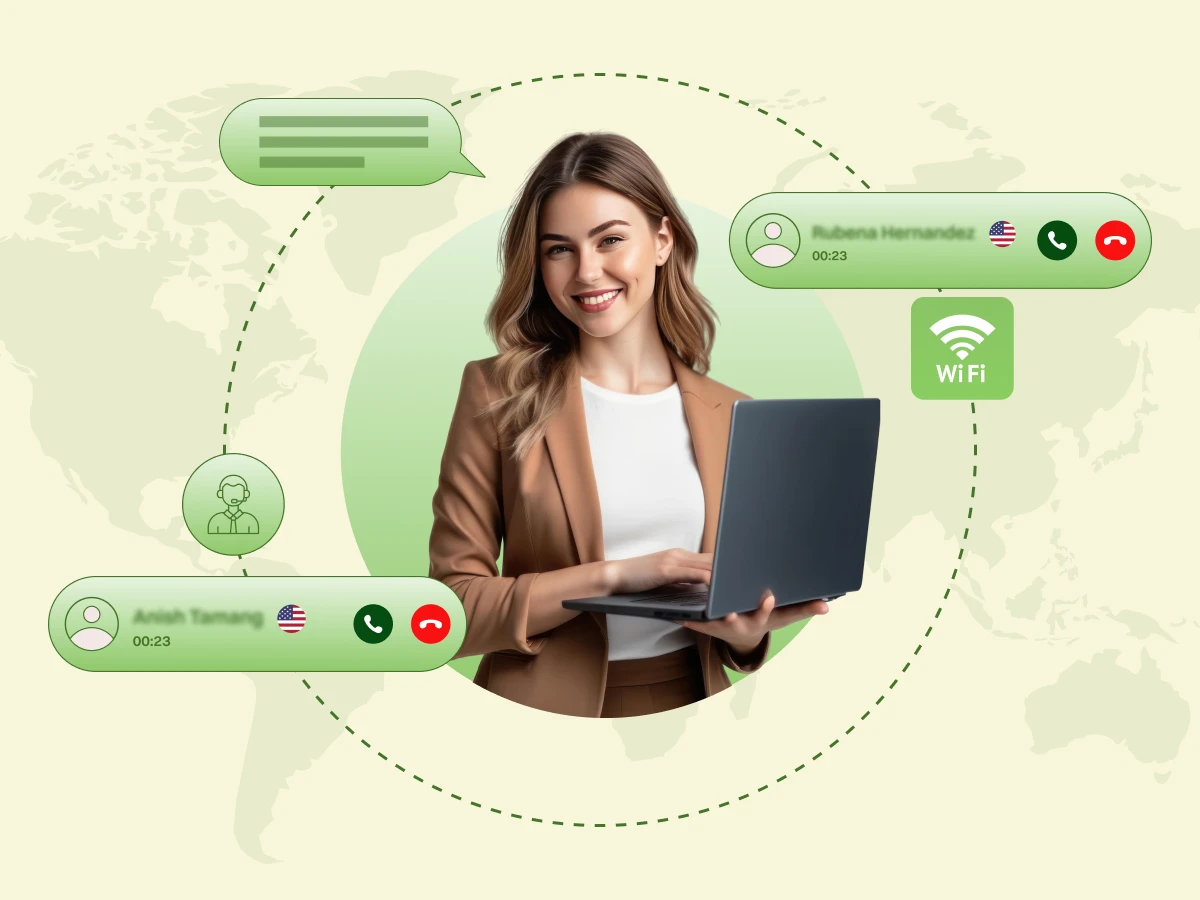
Are you tired of hearing “Can you hear me now?” during important meetings? High costs and clunky hardware make old phones a burden. The modern world has moved past the dusty landline.
Today, a virtual call is the heartbeat of every successful remote team. It turns your internet connection into a powerful business calling tool. This technology is not just for tech giants; it is for any company that values mobility and clear communication.
In this guide, we analyze how a virtual phone system saves you money and boosts productivity. Stop paying for wires and start enjoying the freedom of a digital office line that works anywhere.
A virtual call is a digital audio connection. It transmits voice data over the internet instead of copper wires. This technology replaces the traditional phone system for modern businesses and remote teams.
For example, a consultant in the United Kingdom uses a laptop to reach a client in New York. The consultant uses a virtual calling solution to dial a local number. This creates a professional business calling experience.
Cloud telephony mimics a standard office line without physical hardware. You can use a mobile device or a desktop computer. The system connects through any stable internet connection to facilitate incoming calls.
Ready to modernize your communication? Experience crystal-clear virtual calling designed for growing teams.
A virtual phone system relies on internet protocol to move sound. It converts your voice into data packets for fast travel. This VoIP technology ensures your phone calls remain clear and stable during a conversation.
The practical steps of a virtual call are:
Modern business communications offer several ways to connect. Each calling system uses the internet to transmit a voice call. You must choose a virtual calling solution that fits your specific team size. This choice impacts your daily phone calls and overall office costs.
The right calling systems improve your communication effectiveness. Every virtual calling system offers unique features for your company. Transitioning to these virtual calling solutions ensures your business remains competitive and modern.
The main difference between these systems lies in the delivery method. A traditional phone call uses physical copper wires and local telephone networks.
A virtual call uses the internet to send your voice as digital data. Businesses now move away from landline numbers to gain more flexibility and lower call costs in a digital environment.
Let’s look at the comparison of communication systems.
| Feature | Traditional Phone Systems | Virtual Calling Solutions |
|---|---|---|
| Infrastructure | Physical wires and PBX boxes | Cloud servers and the internet |
| Device Choice | Fixed desk phones | Smartphones, laptops, and tablets |
| Scalability | Slow and requires new hardware | Instant via a digital portal |
| Features | Basic audio and voicemail | AI assistants and transcription |
| Cost Model | High installation and maintenance | Monthly pricing plans |
A traditional phone needs a technician to install wires in the walls. A virtual phone system needs no extra equipment. Example: You use your own laptop to make business calls instead of buying a $200 plastic desk phone.
Landlines tie an employee to one specific desk or office building. Virtual calling lets you take incoming calls from any location. Example: A manager answers an office line while sitting in a coffee shop using a mobile phone.
Old systems offer very simple calling methods and basic menus. VoIP technology includes call recording and video conferencing. Example: Your system automatically creates a text transcription of a client meeting so you do not have to take notes.
Adding a new line to a copper system takes weeks of planning. A virtual calling system grows with your business in minutes. Example: You hire ten new workers and give them phone service instantly through an online account.
Traditional phone systems involve high setup costs and expensive repair fees. Virtual calls reduce telecommunication costs significantly. Example: You save money because you no longer pay an electrician to fix broken phone jacks or old wires.
Stop letting hardware hold you back. Get a flexible phone system that scales instantly with your business.
A modern virtual phone system offers more than just a dial tone. These platforms provide a suite of business tools that improve how you interact with a caller. Using these features helps a company manage its communication needs and professional image.
Call routing and forwarding tool sends incoming calls to the right person or department based on set rules. For example, if a customer calls your main office line, the system automatically rings your mobile device when you are away from your desk.
An automated menu, i.e., IVR, greets every person who dials your business phone number. For instance, a caller hears a message saying “Press 1 for sales” and selects an option to reach the correct team member quickly.
The system saves audio files and turns voice calls into readable text. To illustrate, a manager reviews a call recording to check service quality or reads a voicemail transcription sent directly to their email.
CRM integration connects your phone system to your customer relationship management software. For example, when a client calls, their entire call history and previous conversations appear on your screen so you have the full context.
You can manage calls, messages, and video conferencing in one unified application. To illustrate, an employee switches from a standard voice call to a video call with one click during a business meeting.
You can choose a phone number from different countries or zones. For instance, a firm in Brazil buys a local Washington D.C number so American customers feel more comfortable calling them.
Many leaders focus only on the low cost of a virtual call. However, the real power lies in the deep analytics and data these systems provide. You can track every conversation to see where your customer experience needs improvement.
A virtual calling system also protects your business continuity during a crisis. If your physical office faces a disruption, your phone presence remains active in the cloud. You can manage outgoing calls and messages from any device in the world.
A virtual calling system tracks every interaction and call volume in real time. Managers use these reporting tools to improve agent performance and understand customer behavior trends.
For instance, Mark owns a retail shop and notices long wait times on Friday afternoons. He checks his analytics dashboard and sees a pattern of missed inquiries. Mark schedules extra employees for that shift. His customer satisfaction scores improve because people get help much faster.
Your phone system lives in the cloud rather than a physical box. If your office loses power, your voice communication stays active on other devices.
For example, a heavy storm hits a small office in the United Kingdom and cuts the power. The team simply logs into their mobile device apps from home. They handle incoming calls without any disruption. Clients never realize the office is closed because the virtual call flows perfectly.
You can buy a phone number in any city to build trust with local customers. This makes a small company look like a large enterprise with multiple office locations.
For example, a startup in Seattle wants to attract clients in London. They get a local United Kingdom number through their virtual phone system. When they make outgoing calls, the caller id shows a local code. Their conversion rates double because people trust local businesses.
A virtual calling solution removes the need for expensive hardware and maintenance. You avoid high setup costs and traditional call charges for international business calling.
As an illustration, David replaces his old copper phone lines with a digital VoIP plan. He stops paying for technician visits and expensive desk phones. His monthly communication costs drop by half. He uses that extra money to hire a new marketing agent.
Every team member can access the phone system from a cell phone or laptop. This allows remote communication to stay productive from any location or time zone.
For example, an agency allows its staff to work from home three days a week. Every employee uses a softphone on their computer to take phone calls. The company maintains a professional phone presence while offering a modern environment to its staff.
Data security is a major concern for every modern business. Most providers use encryption to protect your private chats from hackers. This keeps your voice communication safe during a sensitive business meeting.
A secure virtual calling system also follows strict legal rules. Staying in compliance with HIPAA or GDPR protects your customer information. These safety layers prevent leaks and keep your company’s reputation strong.
End-to-end encryption hides your voice data, so only the recipient can hear it. It prevents strangers from listening to your business calling or stealing private information.
Example: A doctor shares health results over a voice call. Because the virtual call solution uses encryption, the audio stays private. Even if someone steals the data packets, they cannot hear any of the patient’s private details.
Multi-factor authentication (MFA) asks for a second code before you can enter your account. It stops hackers from using your business phone line even if they know your password.
Example: An employee tries to log into the calling platform from a new mobile device. The system sends a text to their cell phone to prove their identity. This keeps the phone system safe from unauthorized users.
Top providers follow high standards like PCI DSS or SOC 2. These rules prove the virtual calling system handles your payment data and identity with great care.
Example: A law firm in the United Kingdom must follow GDPR rules for client data. They use a phone system that stores every call recording in a locked digital vault. This helps them follow the law without extra work.
Are you still using a traditional phone for your daily work? This short exercise helps you decide if a virtual call solution fits your needs. Answer these simple questions to evaluate your current business communication strategy.
Grab a pen or open a digital note to track your score. Look at your recent phone calls and monthly bills. This reflection reveals whether your current phone system helps or hinders your team.
Check your office desks and bags for physical equipment. Do you see bulky desk phones with tangled wires? Count how many mobile device units your team uses for business calling outside the office.
The Goal: If you have more than five desk phones, you are likely paying too much for hardware. A virtual phone system works on the laptops you already own.
Look at your last statement from your phone carrier. Highlight any fees for long-distance voice calls or hardware maintenance. Note the total cost for adding just one new office line to your building.
The Goal: High maintenance fees and per-minute call charges are red flags. Most virtual calling platforms offer flat monthly pricing with unlimited local talk.
Imagine a sudden power outage hits your main office building today. How quickly can your staff answer incoming calls from their homes? Check if your system supports call forwarding to a cell phone.
The Goal: If a disaster stops your communication, your system is too fragile. A virtual call allows your team to work from any location with an internet connection.
List the tools you use during a standard phone call. Do you have voicemail transcription, call recording, or video conferencing? Check if your phone syncs with your CRM to show customer information.
The Goal: If you only have basic audio, you are missing vital customer insights. Modern unified communications give you AI assistants and deep analytics to improve your service.
The world of artificial intelligence is changing how we handle every voice call. Modern virtual calling platforms now use AI agents to help with daily tasks.
These automation tools improve communication efficiency and reduce work for your staff. You can expect a better communication experience as these smart technologies continue to grow and improve.
The system turns spoken words into different languages during a virtual call. This helps remote teams who work in different zones around the world talk easily.
Example: A boss in the United Kingdom speaks English to a partner in Tokyo. The AI platform changes the audio into Japanese instantly. Both people understand each other perfectly during the business meeting without needing a human translator.
Advanced analytics tools now check the tone of every caller. This helps managers find unhappy customers before a small problem becomes a big disruption for the company.
Example: A person calls the virtual call center to complain about a late package. The AI hears anger in the voice and tells a manager right away. The manager joins the call to help and keeps the customer happy.
AI agents look at customer behavior to find the best time for outgoing calls. The system uses call distribution to send a caller to the person with the best skills.
Example: A sales team uses an AI automation platform to talk to new leads. The system calls people only when they are most likely to answer their mobile devices. This leads to more sales and better productivity for the office.
Many customer inquiries do not need a human agent to find a solution. AI platform products use voice response to help users track orders or change their settings quickly.
Example: A client calls a bank to check their balance late at night. An AI assistant checks their identity and gives the total balance. The client gets a fast response without waiting for a human worker to arrive.
Choosing a virtual call solution is a great way to help your business grow. It is more than a simple phone because it is a full unified communications platform. You get AI assistants, call recording, and helpful analytics that old systems do not have.
These tools help you understand your customers and improve your service quality every day. You do not have to worry about expensive equipment or office disasters stopping your work. Your phone presence stays active in the cloud.
If you pay high fees for traditional phone systems, you are spending too much for less. Switching to VoIP technology keeps your company modern and ready for the future.
The future of business communications is here, and it works through the internet. It is time to leave the old wires behind and move your office into the digital age.
Don’t wait for the future, start it today, and give your team the ultimate virtual calling experience.
Yes, you can keep your existing number through a process called number porting. Your new phone carrier coordinates with your old one to move the service. This ensures your customers can still reach you at the same office line without any confusion.
No, a virtual call requires a stable internet connection to transmit voice data. However, you can set up call forwarding in your settings. This automatically sends incoming calls to your cell phone signal if your office web service fails.
Modern VoIP technology usually offers better quality than a traditional phone. Most systems use HD voice to provide clear sound without distortion. You just need enough bandwidth on your internet connectivity to support the number of active users.
Most virtual calling solutions support emergency calls, but you must register your physical location. This allows dispatchers to see your address when you dial for help. Always check your provider’s terms to ensure they follow local safety standards.
The virtual calling system stays active in the cloud even if your building loses power. You can still make phone calls using a mobile device or a laptop with a battery. Your virtual receptionist and voicemail continue to work perfectly for every caller.
