

What is a Restricted Call and How Can You Block It?

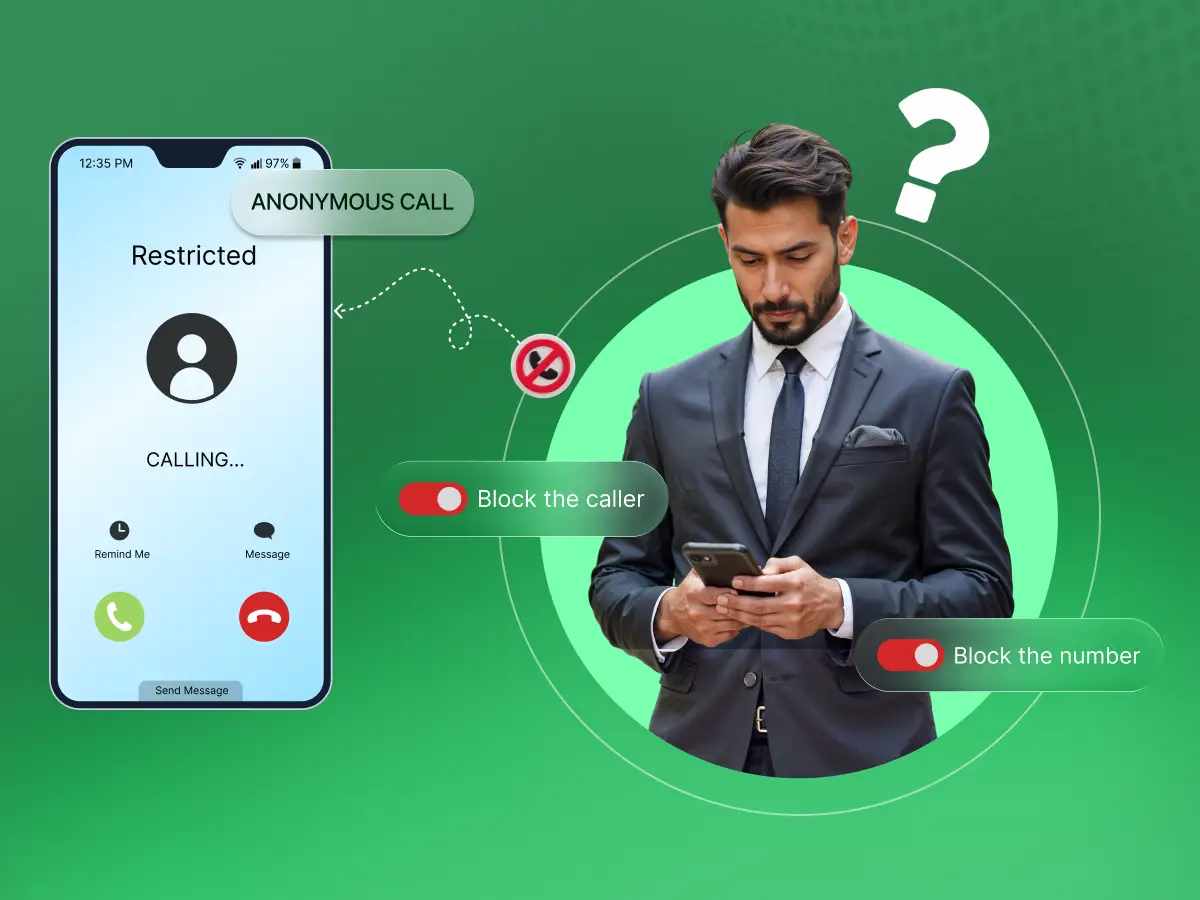
Overview:
Restricted calls hide the identity of the person or business reaching out to a specific device. Proper settings on mobile phones effectively stop these hidden numbers from disrupting a quiet daily schedule. Modern technology and carrier services provide the best defense against anonymous callers and potential phone scams.
Your phone rings on the desk. You look down to see who it is. The screen does not show a name. It does not even show a number. Instead, you see the words restricted call. Maybe it says anonymous calls or private. You feel a mix of curiosity and stress about who is hiding their identity. Is it another scam call trying to steal your personal data?
In the modern world, our phone is our life. We use it for business and for family. But restricted callers take away your control by hiding while asking for your time. This makes many people stop answering restricted calls to protect their privacy.
Dealing with unwanted calls feels like a full-time job. You might get missed calls at dinner. You might see a blocked call in your call log later. It disrupts your day and your peace. You want to understand why these types of call even exist in 2026.
To solve the issue of a restricted call, this blog provides a solution to block every restricted call on any modern device.
Technical Blocking Skills: Learn to use built-in settings on Android and iPhone to block restricted calls immediately.
Privacy and Safety Tips: Understand how restricted callers operate to protect your personal data from phone scams.
Better Call Management: Discover how third-party apps and phone carriers help you filter every incoming call easily.
A restricted call is an incoming call where the caller hides their Caller ID details intentionally. The caller uses a special code to mask their identity from your cell phone screen. This technique is often used by a spam call to bypass your usual blocking options.
You will usually see labels like “Private” or “Hidden” on your phone. These restricted phone calls prevent you from seeing the specific contact information of the person calling. It is a specific technique used to maintain privacy or stay anonymous during outgoing calls.
A restricted number is a phone number where the owner hides their identity from the recipient. Unlike a temporary block, the phone provider masks this caller ID for every outgoing call made. This is a common technique for a business contact who must maintain high business confidentiality at all times.
The phone system ensures that the contact information never reaches your call log or screen. This makes it difficult to manage missed calls from these specific restricted callers.
You may feel stuck when a number does not show up. It is difficult to know who is on the other side of the incoming calls.
Here are the methods that help you identify a restricted caller.
Your cell phone will usually show a specific name for these calls. You might see “Private Number,” “No Caller ID,” or “Restricted” on the screen. These labels tell you that the caller is using anonymous calling to hide.
You can try to use a classic technique to find the source. After you miss a restricted call, dial *69 on your keypad immediately. Many phone service providers allow this code to redial the last number that called you.
You can use specialized third-party apps to reveal hidden numbers. Apps like Truecaller and TrapCall work by removing the privacy layer from an incoming call as it arrives. They redirect the restricted phone calls to a toll-free system to see the data and send the real number back to you.
You can use several methods to stop a restricted call from ever reaching you. Follow these basic steps given below to secure your device from unwanted calls.
Apple aims to provide a silent experience with a silent strategy. Here are the steps to set this up on your iOS device:
This sends any incoming call from a restricted number directly to your voicemail. You will no longer hear the phone ring for these unknown callers. It is a great way to maintain privacy during your day.
The Android device offers a direct way to block restricted calls through the phone app. Here are the steps to use this feature on your Android phone:
This will help you avoid a scam call that hides its data from you. It ensures your call log stays clean and free of junk. You can now enjoy a much quieter personal phone experience.
Your phone carrier provides powerful tools to stop a restricted phone at the network level.
A third-party call-blocking app can offer more features than your basic phone settings. Some third-party apps include:
People choose to hide their identity for many different reasons during a phone call. You might find that some motives are helpful while others are quite harmful. Here are the main reasons why someone might mask their phone number.
Most people value their privacy and do not want to share their numbers with strangers. They might use a restricted number when calling a new service for the first time. This prevents the business from saving its personal information for future marketing. It is a simple way to keep a personal phone private in a digital world.
Some workers use their personal phones to conduct official business while out of the office. They hide their digits to ensure a customer does not call them back at odd hours. Hiding a number helps a person keep their work life and home life separate. Many people do this when they do not have a separate business phone number for their job.
Social workers often use a restricted call to reach out to clients from a private line. This technique keeps their home location safe while they perform important community tasks. It ensures that their personal data is not exposed to everyone they help during the day. They rely on these calling restrictions to do their jobs without constant interruptions at home.
A call center might hide its number to increase the chance that a person will pick up. They know many people ignore a blocked call if they see a known collection agency name. By using anonymous calling, they hope to start a conversation about an outstanding bill or debt. This is a common tactic used in Business Process Outsourcing to meet their targets.
A contact center often uses an auto dialer to reach thousands of people every single hour. They hide the caller ID, so you cannot easily add them to your call blocking list. This allows them to keep making outgoing calls even if their main lines get flagged. It is a way for them to manage a high call volume without being stopped.
A scam call is the most dangerous reason for someone to use a restricted phone setting. Criminals hide their identity to trick you into giving away your credit card or bank details. They use automated call systems to find people who are willing to answer and talk. Blocking these unknown callers is the best way to keep your money and identity safe.
Phone rules can feel like a maze for most people. There are strict laws that keep your phone safe while still allowing for personal privacy.
Here is how the law balances your safety with the right to hide a number.
An old rule by the Federal Communications Commission (FCC) permits callers to remain private if they want. They provide a method by which individuals can hide their caller ID prior to calling. This ensures that a private call is a basic right for any person with a cell phone.
In 2026, the law still protects this choice for every incoming call you get. It means your phone carrier cannot force a person to show their numbers. This mandate keeps a balance between knowing who calls and letting people keep their privacy.
While personal users can stay hidden, those in business face much tougher rules. The law says that a call center must show its name or a valid number. This allows you to add them to a call blocking list if they bother you.
The TCPA (Telephone Consumer Protection Act) is the main law that protects you in this situation. It says that any business making outgoing calls for sales must share its caller ID. If a telemarketer uses a restricted number to sell things, they are breaking the law. They must provide a way for you to join the National Do Not Call Registry list. These rules help stop the rush of unwanted calls that reach our personal phones every day.
The rules for a restricted call change quickly when you dial for help. Emergency services will see your number when you call, and this is even on a private call. The system will skip your privacy settings so that the operator can assist you. They use this data to find your location and send a team to you fast.
This is an important part of call handling that saves many lives every year. You cannot use a private call setting to hide from a 911 dispatcher. It ensures that help can always reach the right recipient in a crisis.
STIR/SHAKEN is a new system that will help in verifying each incoming call in 2026. This technology acts as a digital mark of trust for your caller ID. It ensures that the number on your screen is the one actually calling you. Carriers now use these digital certificates to confirm that a call is not faked or manipulated.
While a restricted caller can still hide, the system checks if the line is valid. This has lowered the number of fake calls on the phone. It is a major win for anyone tired of dealing with phone scams.
Privacy is a major reason why a restricted number is still allowed today. Many people do not want their personal data shared with every store they call. This legal option lets you control who has your contact information in their files.
It stops a business from adding you to an automatic calling list. By hiding your number, you keep your phone from getting too many advertisements. It is a simple tool for anyone who values their quiet time.
Most workers need to make outgoing calls without giving away their home number. This creates a necessary boundary between their personal life and their professional duties. For example, a journalist might call a source to check a story, but wants to keep their privacy safe at home. This allows them to do their job without fear of getting calls at midnight.
It is a major part of customer engagement for people who work on the move. Employees can manage multiple calls for work without exposing their private lives. This legal shield keeps business process outsourcers and remote staff safe.
Those who feel unsafe often need to hide their number to stay protected from others. People in danger might use anonymous calling to reach out for support or find help. This keeps their location secret from anyone trying to track their missed calls.
Without this legal option, many people would be in much more danger every day. It provides a way to communicate without leaving a digital trail for a harasser. This is a primary reason why phone service providers keep this feature active.
At its core, the law believes that the caller should have a choice in communication plans. You get to decide how much of your personal information you share with the world. This freedom is why restricted phone calls remain a standard part of our system.
Even with the rise of AI (Artificial Intelligence), the human right to be private stays the same. You can choose to be seen or stay as one of the unknown callers. It is simply about providing the user with the ability to control their own phone calls.
With the appropriate settings, it is far easier to manage your incoming calls. Follow these best practices to maintain your personal data secure.
Modern phones now come with smart features that handle callers before they even reach you. This AI call service asks the caller for their name and the reason for their reach out. For example, Google Pixel users can turn on a screen that asks callers to state their name. The phone then displays a transcript of what they say in real time on your display. This allows you to avoid answering restricted calls.
You can find these options in your call settings under the “Screening” or “Assistant” menu. Setting this up ensures that anonymous calls are handled by software first. The system acts as an AI agent to filter out any scam call before it rings. You can even use call recording on these interactions to keep a log for your safety.
You can stop a restricted number from bothering you by using the silence feature in your settings. This is one of the most effective blocking options available for any personal phone today. It prevents any number not in your call list from making your device ring or vibrate.
The caller is sent straight to your system, where they can leave a message if they are real. This allows you to check your missed calls later without the stress of an active interruption. It is perfect for managing a high call volume of junk while keeping your focus.
Steps to activate on your device:
Now, your phone will only ring for people you actually know and trust.
Your phone carrier has specialized apps to help you filter every single incoming call. These apps work at the network level to stop a restricted call before it even reaches your device. They are easy to set up and often come free with your monthly plan. You can use them to manage blocking options for your family or your team.
You have legal rights that help you take action against persistent restricted phone calls. The government provides several ways to stop businesses from making outgoing calls to your private number. You should use every official resource to make sure your name stays off the wrong lists. This is an important part of long-term call blocking success.
Here are the steps to take:
Taking these actions helps the authorities find and fine the people behind phone scams. It strengthens the entire network for everyone who uses a personal phone for daily life.
A specialized service that gives you a second number that you can use for texting and calling. When someone dials this proxy, the system sends the incoming call to your phone without revealing your real number. This keeps your true identity hidden from any restricted callers who might try to save your number. It is the best way to handle business communication while staying private.
You can easily change or delete this secondary number if it starts getting too many unwanted calls. This keeps your primary phone protected and free from nonstop spam and annoying messages. It is a top choice for protecting personal data in a busy digital world.
A mid-sized B2C team once struggled with too many unwanted calls that reached their primary line every hour. Their staff spent most of the day receiving unwanted spam calls instead of helping real people. This caused a high waiting time for actual clients who needed urgent support. The management realized they had to change their outbound call and intake strategy to address the issue.
Takeaway
For any modern group, managing your phone line is about more than just hitting a button. You need to use the right settings and smart software to keep your time and privacy safe. By avoiding phone scams, you make sure your communication stays professional for everyone.
Protecting your personal phone from a restricted call is one of the best ways to protect your privacy in 2026. No matter if you use any device, you have the power to stop the unwanted calls using simple built-in settings. Adjusting your call handling rules ensures that only the right calls reach your device.
The world of business communication is also changing to protect your customer experiences. New laws and tools like AI screening are making it difficult for a scam call to reach you. These updates help both individuals and teams focus on real conversations rather than dealing with unknown callers all day.
Managing your phones properly also improves workforce engagement for those who work remotely. When you use the right blocking options, you remove the stress of receiving unwanted interruptions during your busy hours. Staying informed about these types of calls is the final step to a safe and more secure life.
Answering unknown numbers can put your digital security at risk by confirming your line is active. Scammers track received calls to find targets for more advanced fraud attempts later on.
Yes, you can manage these calls on both Iphone and Android by using your built-in settings. On most devices, you simply toggle a switch to silence or block unidentified callers immediately.
No, because any valid caller can still leave a voicemail for you to check later. This system filters spam while ensuring you never miss an urgent update from a real person.
Yes, because it allows your team to focus only on real people who truly need help. High customer satisfaction comes from spending your time on valid clients instead of dealing with scammers all day.
Large companies use call distribution systems to send thousands of automated messages to different regions at once. This leads to a higher volume of unknown callers reaching your device throughout the workday.
