

SMS compliance: What it is, Benefits, and Compliance Requirements


Did you know SMS can get better response rates than emails or ads? But there’s a catch.
Your messages must follow SMS compliance rules. Without them, your texts could be blocked, flagged as spam, or lead to legal penalties.
This compliance guide breaks things down using real examples and explicit language. You’ll learn how SMS laws work, how to stay compliant, and which tools help you message customers without risk.

SMS compliance means following text message regulations based on your country, industry, and the kind of messages you send. These rules apply to business texting campaigns and protect consumers from spam and unwanted messages.
In the U.S., compliance starts with the TCPA, which requires prior express written consent before sending promotional texts. Europe follows GDPR. Canada uses CASL. Asia and Australia have their own sets of SMS marketing rules.
In addition to these laws, mobile carriers follow CTIA’s guidelines. These are not laws, but they impact whether your message reaches your SMS subscribers. The CTIA focuses on short code use, message content, and the opt-in process. If you ignore them, your Bulk SMS campaign may never reach users.
So, SMS compliance is about ensuring that your text campaigns are transparent and respectful. It’s not just about legal risk; it’s about customer trust.
When your brand respects people’s choices and sends helpful messages, you grow stronger relationships. That’s what real SMS marketing is about.
Following the rules in SMS marketing does more than keep you out of trouble. It creates trust, improves delivery, and helps you connect with customers the right way. Here’s why compliance should always be part of your business texting plan:
People want to feel respected when they sign up to receive messages. When your texting program gives them control through clear SMS opt-in and easy opt-out options, it sends a strong signal. It tells them that your business cares about privacy, not just promotion.
This sense of control builds trust over time. With every compliant message, trust grows. First-time subscribers see that your messages are helpful, not spammy. They know they can stop receiving texts at any time and that their preferences matter.
This builds long-term relationships and turns casual customers into loyal followers who actually value what you send.
Many businesses send messages that never reach users. That’s usually because the messages break carrier rules or skip key compliance steps. But when your texts follow short code rules, 10dlc registration, and proper formatting, they’re far more likely to be delivered.
Mobile carriers use filters to protect users from spam, scams, and risky topics like sex, hate, alcohol, and firearms. When your messaging follows the proper guidelines, it avoids those filters. This means fewer messages get blocked, delivery rates go up, and your audience gets your texts when it matters most.
Texting laws like the TCPA require businesses to get express written consent before sending promotional texts. If you skip that step or store consent poorly, it can lead to significant fines and lawsuits. That’s why following a detailed compliance guide matters.
Regulators want businesses to respect privacy and protect consumer data. Proper opt-in records, message logs, and timing controls show that your brand takes compliance seriously.
They also reduce legal risk, keep your texting program clean, and avoid problems that can harm your reputation and drain your budget.
People respond better to messages they choose to receive. When your subscribers opt in clearly and know what to expect, they’re more likely to reply, click, or engage. That makes your campaigns stronger without needing tricks or high-pressure sales tactics.
A healthy SMS opt-in process leads to a cleaner contact list and better engagement. People will look forward to your updates because they trust your brand. Over time, these responses help improve performance across your campaigns while respecting your customers’ right to choose.
Sending compliant texts shows your audience that your business operates with integrity. Every clear, respectful message adds to your reputation. And customers are more likely to stay loyal to brands they feel safe with.
When you avoid shady tactics and stay aligned with legal rules, you don’t just protect yourself. You build brand value. People talk about brands that treat them well. Ethical messaging, backed by compliance with CTIA guidelines, creates a lasting impression and gives your business a strong name in the market.
Sending texts to customers might sound easy, but it comes with rules. These rules protect both the sender and the person receiving the message. From consent to timing, every part of your message matters. Let’s walk through the key things every brand should follow:
Running a compliant text messaging program helps avoid fines and keeps trust with customers. Use these simple and legal steps to stay within texting laws. Every part matters when dealing with business messaging, especially when sending content like appointment reminders or updates.
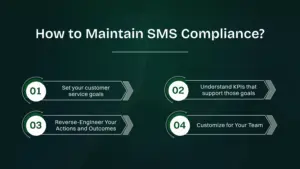
Choose providers that understand CTIA’s guidelines and texting laws. This helps with sending compliant text and managing written consent properly. Avoid platforms that allow content flagged as sensitive or non-compliant, such as adult content, hate speech, or regulated products.
Pick a platform that supports opt-in checks and message logs. It should help you confirm expressed written consent and protect customer data. These tools are key for business messaging and tracking types of content.
Teach your team about CTIA’s rules. Make sure they know how to collect written consent and send only approved types of content. They should also avoid messages without proper opt-in, especially if customers never agreed to receive text messages.
Check your lists to see if customers have expressed written consent. Review all appointment reminders and other texts to keep them compliant. Always stay updated on new CTIA guidelines and avoid any risky language or content.
Words matter in SMS text messaging. Using the correct phrases can protect your business from TCPA violations and blocked campaigns. Here are typical examples and tips to keep your messages compliant and respectful.
“Reply STOP to unsubscribe” gives users control and helps them comply with prior express consent rules. “Msg & data rates may apply.” This informs users of possible charges.
It’s honest and builds trust. “By subscribing, you agree to receive recurring texts.” This makes it clear that users will receive messages regularly.
These phrases show transparency. They also help your 10DLC registration stay active and respected by carriers.
“Free offer with no catch” feels misleading and may violate rules regarding deceptive content. “Urgent! Click now!” This can trigger spam filters. It sounds pushy and may raise compliance red flags.
Avoid words that relate to sex, hate, alcohol, and firearms unless you’re in a regulated and approved industry.
Always state your business name in the message. Avoid slang or confusing terms. Keep the tone direct. If you’re unsure, consult legal counsel before launching a campaign.
One wrong word can cause TCPA violations. Using these tips will help you send compliant, trusted messages that users welcome, not ignore, or report as banned topics. Only messages promote services that users ask for.
Permission-first marketing respects both people and laws. It keeps your brand aligned with the values of your audience.
SMS compliance isn’t just about avoiding fines. It’s about showing your customers that you respect their time and choices. That builds trust, improves response rates, and keeps your business messaging efforts strong.
Take small steps, get expressed written consent, send honest texts, and stay updated on CTIA’s guidelines. Stay consistent, stay clear, and always give people a way to opt out. That’s how you keep your text messaging program safe, simple, and successful.
Power Up Your Business Messaging with Dialaxy.
Dialaxy provides everything you need to manage conversations with ease. Stay organized, stay connected, and get ready for what’s next.
It protects you from legal fines and builds trust with your audience. Customers are more likely to receive text messages if they know their data is safe and the messages are respectful and legal.
You can ask customers to check a box during sign-up, fill out a digital form, or reply with a keyword like “YES” to agree. Just make sure they clearly agree to receive business messaging from you.
You must avoid content related to sex, hate, alcohol, and firearms unless you meet stringent opt-in rules. Carriers flag these, which often leads to blocked texts or violations.
Use precise phrases like “Reply STOP to unsubscribe” or “You agreed to receive text messages from [business name].” These follow CTIA’s guidelines and remind customers of their opt-in.
Check both at least once a month. Make sure all messages follow CTIA’s guidelines and that your list includes only users who gave written consent.
