

Handle Multiple Calls Efficiently with Concurrent Calls
Improve your business communication with our Concurrent Calls feature, allowing you to handle multiple calls at once while maintaining high quality and efficiency.
What are Concurrent Calls?
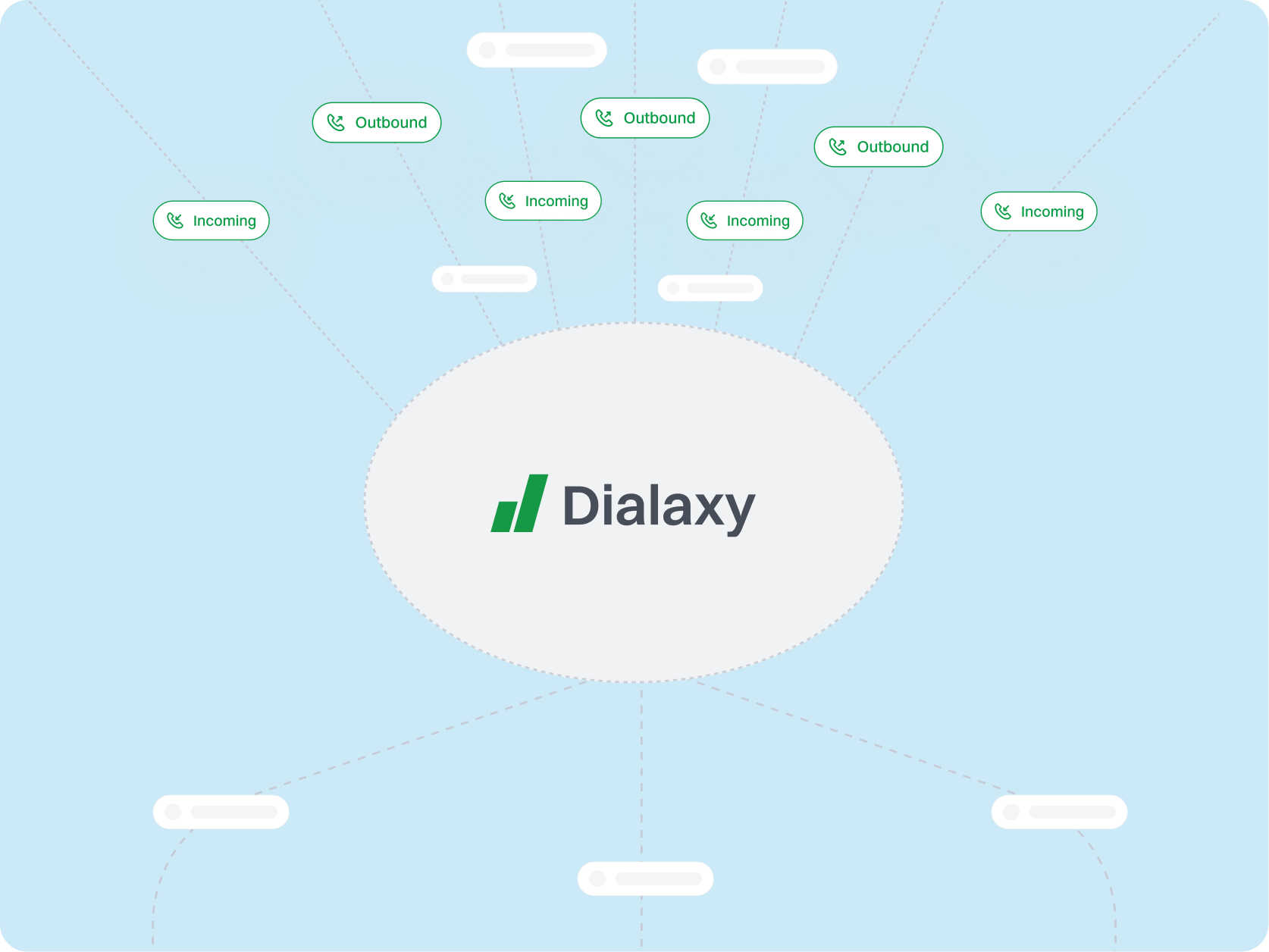
Concurrent calls let businesses handle multiple phone calls at the same time, making them vital for managing high call volumes. Instead of waiting for one call to finish before another begins, your system manages several active calls simultaneously. This ensures no call goes unanswered during peak hours, reducing customer wait times and improving support efficiency.
Agents can handle more leads and clients without requiring extra staff. With cloud-based platforms like Dialaxy, there’s no need for additional phone lines; your system simply gains more lanes for seamless inbound and outbound calling.
How to Set Up Concurrent Calls with Dialaxy?
To utilize Concurrent Calls, ensure you have an active account with us. Follow these straightforward steps to manage multiple calls:
- Log in to your Dialaxy account.
- Open the call dialer.
- Dial the numbers you want to connect with.
- Handle calls seamlessly. Switch between calls, merge them into a conference, or place one on hold as needed.
- Use the dashboard to monitor all active calls and see their status in real time.
How Does Concurrent Calls Work?
Incoming Call Reaches the System
A customer dials your number, and the call enters your cloud-based phone system.
System Checks Line Availability
Instead of using just one line, the system supports multiple channels, so it checks for available channels to avoid delays.
Simultaneous Calls Are Accepted
If other calls are already in progress, the system still accepts new ones without triggering a busy signal.
Calls Routed to Available Agents
Each call is directed to the next available agent or call group based on your routing setup.
Overflow Management
If all agents are busy, the call can be queued, forwarded, or sent to voicemail, depending on your preferences.
Real-Time Monitoring & Reporting
Managers can track concurrent call activity in real time and review analytics to optimize performance.
Benefits of Concurrent Calls for an Organization
Enhanced Productivity
Efficiently manage high call volumes and reduce wait times for customers.
Improved Customer Experience
Ensure that all customer calls are answered promptly, leading to higher satisfaction.
Cost Efficiency
Avoid the need for additional phone lines or dedicated staff for call handling.
Reduced Abandonment Rates
Lower the likelihood of customers hanging up due to long wait times.
Scalability
Easily adapt to growing call volumes without requiring significant infrastructure changes.
Better Resource Allocation
Optimize staff workload by balancing call traffic more effectively across the team.
Why Use Dialaxy for Concurrent Calls?
Dialaxy makes it easy to handle multiple calls at once. Whether your team is taking support calls, sales inquiries, or both, our system ensures every call gets through without a busy tone or long wait.
Designed for growing teams and high call volumes, Dialaxy’s concurrent call feature allows your business to serve more customers at the same time. No extra phone lines or complicated setup, just smooth, reliable communication powered by the cloud.
With smart call handling, real-time monitoring, and seamless routing. Dialaxy helps your team stay productive and responsive. You’ll never miss a call, even during peak hours.
No More Busy Signals
Dialaxy’s system can handle multiple calls at the same time, so even when your lines are busy, new callers won’t get a busy tone. This means you never miss a potential customer just because all your agents are talking.
Serve More Customers Simultaneously
With concurrent calling, your team can talk to several customers at once without delays or call stacking. This improves how quickly you resolve issues and keeps customers happy with faster service.
Perfect for Growing Teams
As your business grows and call volume rises, Dialaxy easily scales up to handle the extra demand. You do not need additional physical lines or complicated hardware.
Things to Consider for Managing Concurrent Calls
-
Ensure your system supports the anticipated number of concurrent calls.
-
Evaluate if upgrades are necessary for efficient call volume handling.

-
Train staff on effectively using the Concurrent Calls feature.
-
Establish protocols to manage multiple calls smoothly.

-
Monitor call quality to prevent dropped calls or poor audio.
-
Ensure your internet connection and hardware meet standards.

-
Ensure that all communication tools are integrated for seamless operations.
-
Regularly update software to prevent compatibility issues.

Concurrent Call Solutions: For Businesses That Can’t Afford Missed Calls
Small & Growing Businesses
For small businesses with a steady flow of customer calls, simultaneous calling ensures that every call gets through, even during busy hours. Multiple team members can handle calls at the same time, so that a busy tone turns away no potential customer.
E-commerce & Retail Teams
During sales, promotions, or high-traffic seasons, e-commerce businesses often see an increase in customer inquiries. Concurrent calling lets support agents manage multiple incoming calls simultaneously, reducing hold times and improving the customer experience.
Support/Helpdesk Operations
Support teams often face unpredictable call volumes. Concurrent line support helps multiple users take calls in parallel, keeping service queues moving and customers satisfied. It helps teams stay efficient and avoid the frustration that comes with long wait times.
Remote & Distributed Teams
Distributed teams use concurrent calls to stay available without limitation. Through a cloud-based setup, agents can handle calls independently, ensuring no drop in service quality, even without a central office setup.
Do’s and Don’ts for Managing Concurrent Calls
Do’s
-
Do Regularly Monitor Call Quality
-
Do Provide Adequate Training
-
Do Update Your System
Don’ts
-
Don’t Overload Your System
-
Don’t Neglect Customer Follow-Up
-
Don’t Ignore Feedback
Additional Features like Concurrent Call
Call Queuing
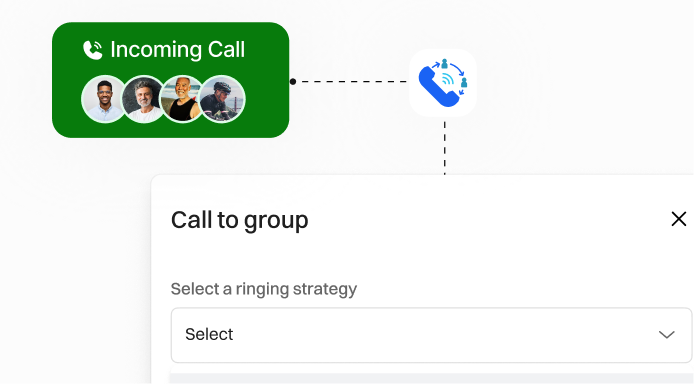
Dialaxy’s call queuing system manages high call volumes by placing callers in a virtual line so no customer is turned away. It helps reduce missed calls and keeps customer experiences smooth and fair during peak hours.

Call Routing
With Dialaxy’s intelligent call routing, each caller is sent to the right agent or department based on custom rules like time, location, or skill. It works seamlessly with concurrent calling to maximize efficiency and minimize wait times.
Call Flow Designer
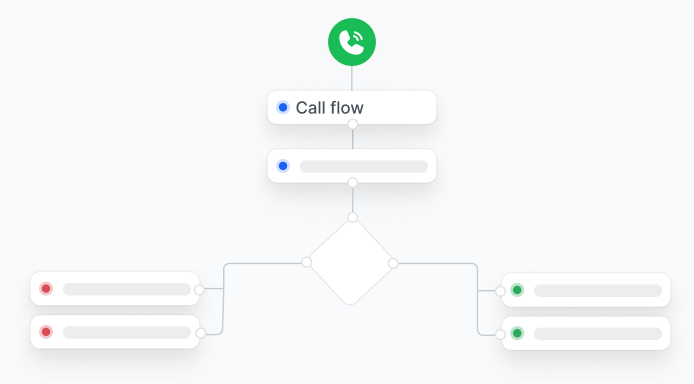
Call Flow Designer lets you build custom call journeys with drag-and-drop ease. Whether routing, queuing, or IVR layering, it helps manage multiple live calls with structure, clarity, and control.
Frequently Asked Questions
It depends on your provider and plan. With Dialaxy, the number of concurrent calls scales based on your subscription, so you can choose what is suitable for your team’s size and call volume.
They work hand-in-hand. While simultaneous calling ensures multiple calls can come at once, features like IVR and call routing help direct those calls to the right destination quickly.
No, if your VoIP provider is reliable and well-established. Dialaxy, for example, uses cloud infrastructure that balances loads efficiently, maintaining high call quality during peak hours.
Concurrent calls refer to the number of phone calls that can be active at the same time within your phone system, either inbound, outbound, or a mix of both.
No. If you’re using a cloud phone system, all simultaneous calls are handled online.
It is similar in outcome but more efficient. Instead of separate phone lines, cloud systems handle simultaneous calls virtually, allowing more calls with less hardware.
With cloud or VoIP systems, you can usually upgrade your plan or add more lines to increase your concurrent call capacity, without additional hardware.
It can affect call quality if there are low-bandwidth networks. Too many simultaneous calls without proper infrastructure can lead to dropped calls, delays, or poor audio. A trusted VoIP provider can ensure scalability with minimal loss in quality.
Yes. Call volume is the total number of calls in a given period, while concurrent calls are the number of active calls at the same time.
Technically, VoIP systems can handle unlimited parallel calls. The limit depends on your internet bandwidth, your VoIP provider’s plan, and system settings.