

IVR vs IVA: Understanding the Evolution of Customer Service

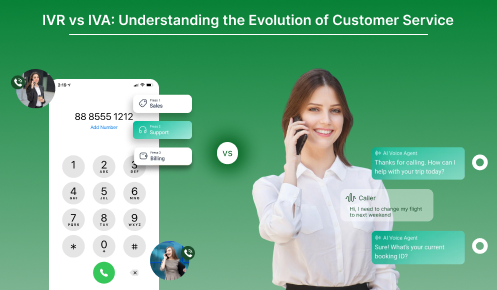
Trapped in a phone menu? You know the feeling. You press ‘1’ again and again, hoping to talk to a person. But you only hear that same cold voice. That was the old way: IVR (Interactive Voice Response). It controlled the phone line, but it often made customers feel ignored.
Now, things are changing fast on the phone. Meet the Intelligent Virtual Assistant (IVA). This is not the old button-pressing system. It is a smart AI helper that truly listens. It understands what you mean. It talks like a person. We are moving from just sending calls to actually fixing problems.
In this guide, we show you the big differences between IVR vs IVA. We will help you pick the right system to make your customer service ready for the future. You will learn how to stop pressing those buttons forever.
This detailed post gives you all the practical tools to start improving your current digital strategies right now. You can apply these methods immediately to see a strong impact.
1. Understanding the Critical Differences in Addressing Customer Requests:
You will understand the key differences between rigid IVR and conversational IVA. This is crucial for choosing the right system. It ensures your business can handle simple balance checks and complex, multi-step customer inquiries effectively.
2. Mastering the Power of Conversational AI:
You will master how conversational AI and natural language understanding power IVA systems. This core knowledge lets you support complicated customer queries. It helps you provide a much more detailed and personalized experience for every user.
3. Strategic Guidance to Choose the Right Solution:
This guide offers strategic knowledge to compare IVR and IVA solutions. This information helps you select the best choice for your business needs. You can manage high call volumes and ultimately improve customer service greatly.
The difference dictates how effectively you can direct calls. A key feature of IVR is simple call routing to appropriate departments. In contrast, an intelligent virtual assistant uses context to precisely route or solve customer queries without a costly transfer to a human agent.
The debate between IVR vs IVA is central to modern call center software strategy. Businesses must understand how AI agents fit into workforce engagement models, choosing the right level of technology (from basic interactive voice response to sophisticated intelligent virtual assistant) to remain competitive.
The integration of advanced features like voice biometrics in IVA systems provides a secure layer of authentication and enables deep personalized experiences, a level of service impossible with rigid, traditional IVR systems.
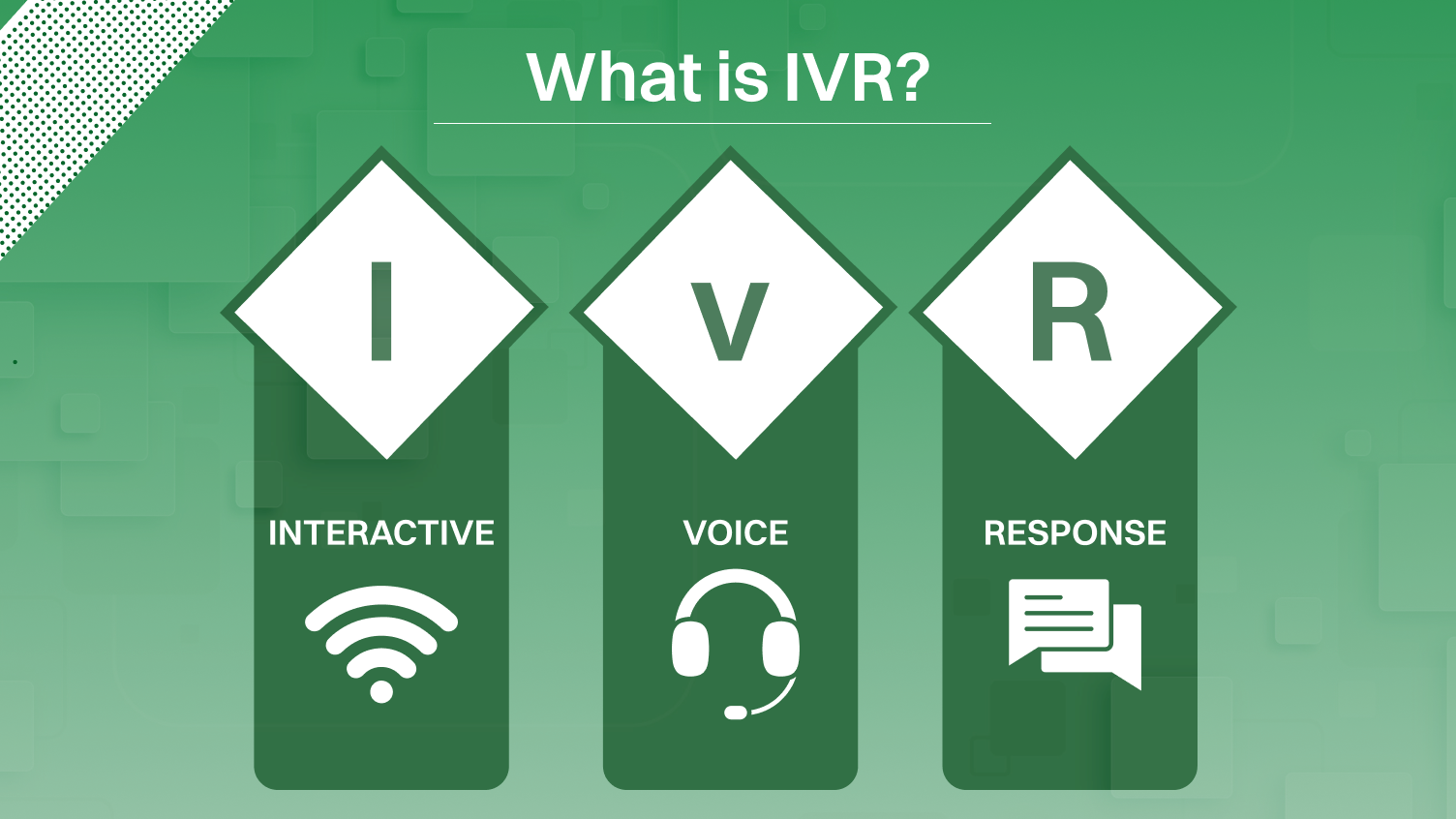
Interactive voice response is a basic technology used in phone systems. It allows customers to talk to a computer over the phone line. This interaction starts without ever speaking to a person initially. It relies on the caller pressing keys on their phone keypad.
This signaling method is technically known as dual-tone multifrequency. This system has been the standard for managing phone traffic for many decades. The interactive voice response (IVR) technology serves as the first point of contact for many organizations. It is often the initial voice a customer hears. The IVR is reliable for simple tasks.
The process begins when a customer makes a call to the company line. The IVR systems answer the phone with a short greeting message. The system then presents the caller with several clear choices. It uses prerecorded messages to guide the user through the options.
The voice instructs the user clearly, “Press 1 for Sales, Press 2 for Support.” The user listens carefully and then presses the number on their phone keypad. This input is the sole driver of the interaction.
Input and Routing:
This button press routes the caller to a pre-set destination immediately. The destination can be a waiting queue, another menu, or simply recorded information. The system strictly follows fixed, pre-set call flows.
It uses basic, simple rule-based logic only. The main job is directing calls very quickly. The system routes the call based only on the number that the caller pressed. It does not use advanced thinking. The routing is rigid and predefined.
These systems are simple and rigid. They rely heavily on fixed inputs from the user. Their design is based on predictable commands.
Several parts allow the system to function effectively. These elements define its limited scope of abilities. The functionality is focused on utility.
This older technology offers distinct and valuable advantages for the company and the caller. It provides functional automation benefits.
It significantly reduces the need for constant human intervention. It manages the initial call flow entirely. It helps the company manage large call volumes effectively. It does this without the need for hiring extra staff.
It allows for service availability twenty-four hours a day. Customers can always reach the system. The IVR provides service during off-peak hours. The system is highly reliable.
The caller gets immediate attention for simple, known needs. This provides instant gratification. The system quickly directs calls to the correct queue or department. It acts as an automated receptionist.
This ensures calls are directed to the correct department faster than waiting for a person to answer. The voice response is functional, not conversational. This saves the customer time. The system processes the request quickly. It efficiently filters calls for live agents.
The intelligent virtual assistant represents the new generation of phone support. It is sometimes called an intelligent virtual agent. It utilizes sophisticated conversational AI. This technology copies human conversation very closely. It is an AI agent that processes language naturally. This smart technology is the future of service.
The assistant IVA uses natural language understanding (NLU) technology. This lets it understand complex, detailed spoken sentences. It moves far past rigid scripts or menus. The system can interpret context and intent. This provides a much smarter interaction. The NLU engine is crucial for comprehension.
A customer makes a call and hears a friendly greeting. The system invites the customer to speak openly and freely. The caller might say, “I need to check my bill and dispute a charge.” The system uses natural language processing (NLP) immediately. This complex processing starts right away.
Intent Analysis and Resolution:
Core Characteristics of IVA:
The key feature is the ability to chat like a person. The system can learn and adapt its responses continually. This ability is vital for good service.
The advanced system needs many powerful elements. These features enable its sophisticated customer service work. These components work together constantly.
The advantages for the organization are very large. They significantly improve the quality of service provided. This leads to happier customers.
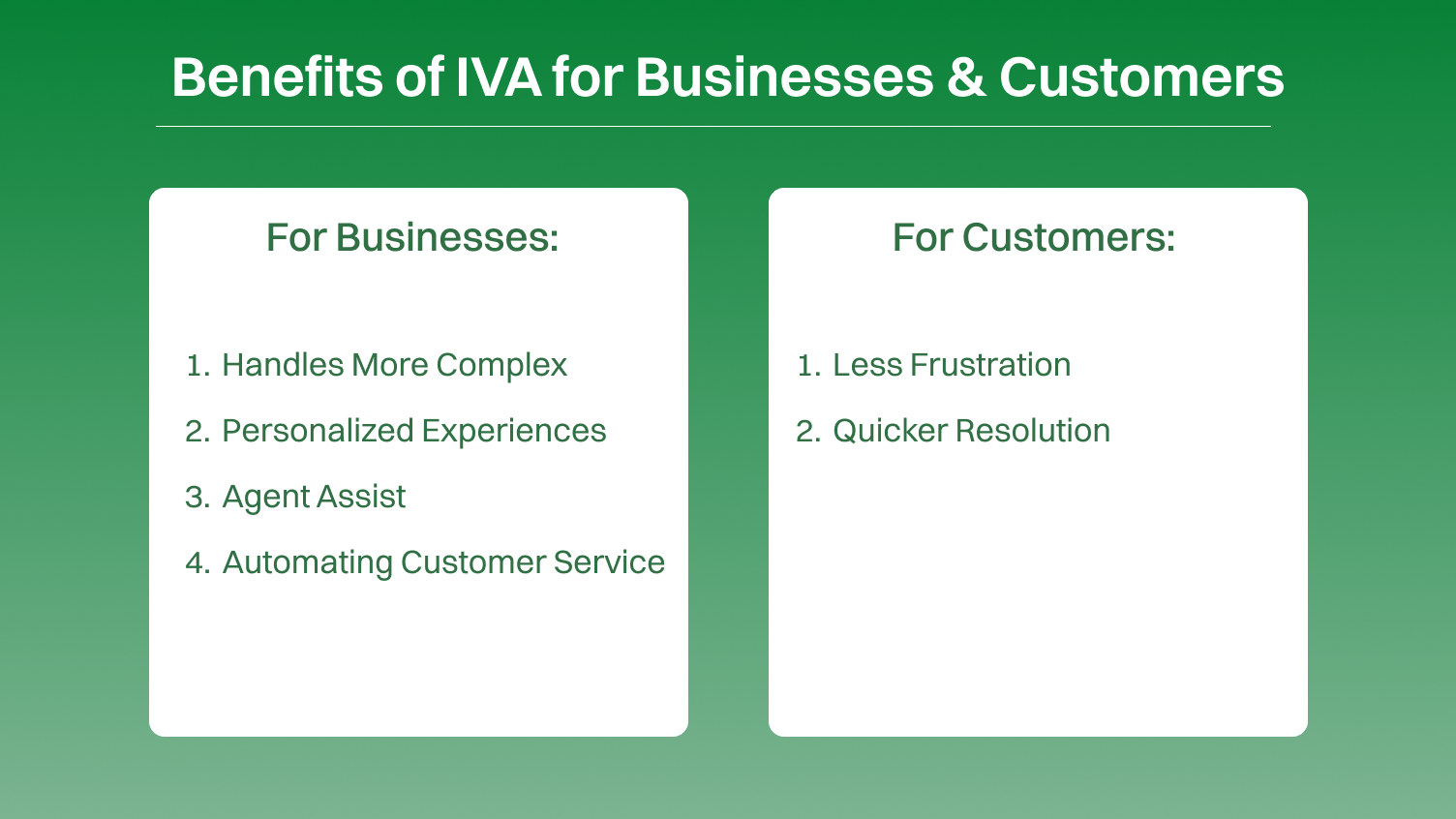
For Businesses:
The IVA systems can solve hard requests all by themselves. This removes a lot of pressure from your human staff. It lets your live agents handle only the truly special or difficult problems.
The IVA gives every caller a true personal touch. It remembers past talks. The system can instantly check things like purchase history or account details. This means the customer always gets relevant help, making them feel valued.
The IVA can act as a helpful tool for your human employees. While a human agent is talking, the IVA shows them instant information and solutions. This helps live agents solve hard problems faster and focus their energy where it’s needed most.
The IVA greatly improves how well you handle calls automatically. It increases the total amount of service you can offer (operational scale). This means you can manage many more call volumes without having to hire many new people.
For Customers:
Callers no longer get annoyed by confusing phone menus or endless transfers. The entire process feels much smoother. The system resolves the issue directly and clearly, which saves time.
Customers get their hard problems solved much faster. The IVA fixes the complex issue without needing to wait for a person to pick up. This fast, accurate solution greatly helps in enhancing customer satisfaction and making them happy with the service.
The contest of IVR vs IVR shows clear differences. It is important to know the limits of each solution. We compare them across five main areas.
| Feature | Traditional IVR | Intelligent Virtual Assistant (IVA) |
|---|---|---|
| Technology Core | Rule-based, dual-tone multifrequency (DTMF) | Conversational AI, Generative AI, Natural Language Processing (NLP) |
| Interaction Style | Structured, rigid, depends on menu options | Free-form, human-like dialogue, contextual |
| Complexity Handled | Simple tasks like info retrieval and call routing | Complex requests, multi-step interactions, personalized service |
| Key Feature | Structured call routing based on pre-set rules | Contextual memory, learning ability, voice biometrics |
| Goal | Route calls efficiently or provide static information | Resolve complex issues automatically with a smooth customer experience |
The fundamental difference lies in how the customer interacts with the system. The traditional IVR strictly follows a pre-written script. The system speaks the instructions clearly. The user must press a specific key. This input is very limited. It offers no freedom to the caller at all.
The technology only processes specific numeric codes. It relies completely on a list of menu options. The caller must listen to every choice provided. The interaction is frustratingly linear.
Conversely, the virtual assistants IVA invite the customer to speak openly. They use advanced language processing to find the customer’s true intent. This makes the conversation feel much more natural.
The complexity of the task defines which is the best solution. The system’s intelligence determines its capacity to help. A simple interactive voice response IVR cannot solve hard problems. It is only designed for basic data retrieval. It can read out account balances quickly. It cannot manage multi-step processes or changes.
The technology fails when customer requests are nuanced. It only handles simple, binary questions. This often requires human intervention quickly. The intelligent virtual assistant (IVA) is built for true problem-solving.
It can manage multi-step transactions smoothly. It integrates data from many sources seamlessly. This allows it to address a whole complex customer problem fully.
The level of machine intelligence is the main technical separation between the two. This difference dictates the system’s ability to learn and improve. The IVR systems use minimal intelligence. They are based entirely on fixed programming logic. They cannot learn anything new from a call. They only execute pre-programmed commands exactly.
The technology only relies on basic routing rules. It uses dual-tone multifrequency signals. It is an older, static technology. The IVA systems use conversational AI fully. They learn from every single interaction they process. They get smarter over weeks and months of use. This continuous learning is a major differentiator. The intelligent virtual agent is always getting more capable.
Security and identity confirmation are modern service necessities. The systems offer very different security levels to the caller. Simple IVR offers basic authentication steps only. It may ask for a fixed password or an account number. This is not highly secure. It often requires a transfer to a live agent for any high-security tasks.
The security protocol is fixed and limited. It provides low assurance of the caller’s identity. Key features of IVA include advanced security tools. Many systems use voice biometrics to verify the caller’s identity securely. This is a very reliable method.
This provides a high level of security assurance. It allows the system to process sensitive transactions. It creates a genuinely secure and personalized experience.
The core purpose of the system deployment differs significantly between the two solutions. The main goal of the simple IVR is fast call routing. The system wants to get the caller to the correct waiting queue quickly. It aims to reduce the burden on human intervention. It is purely about the organization of traffic.
A key feature of IVR is this traffic direction. It efficiently directs calls to the appropriate departments as quickly as possible. The goal of an intelligent virtual agent is complete resolution.
The virtual agent aims to finish the customer’s request immediately. It focuses intensely on improving customer experiences. The system reduces the number of calls that need human help.
Imagine a customer calling a retail company. The customer wants two things done on the call. They want to check their outstanding gift card account balances. They also need to dispute a recent delivery charge quickly. This is a common type of complex customer request today.
The customer first encounters the menu options. They press “1” for balance inquiries. The system provides the requested number. They must then return to the start menu immediately. They listen to the list of choices again carefully. They press “4” for “Billing or Disputes.”
The system cannot fulfill the dispute process alone. It places the caller in a very long queue. The caller waits for a human agent. The interactive voice response (IVR) successfully provided the basic data. It failed to resolve the total complex issue.
The customer calls and begins speaking right away. They say, “I need my gift card balance, and I think that the recent delivery fee is wrong.” The intelligent virtual assistant uses natural language understanding instantly. It recognizes both customer needs at the same time.
It uses voice biometrics to verify the caller’s identity securely. It provides the gift card balance immediately. It then starts the dispute process within the same conversation. The virtual agent confirms the transaction details.
It opens a ticket in the backend system automatically. The entire conversation is very fluid. It feels like a personalized experience. The assistant IVA used its AI capabilities to solve the problem. This action avoids the need to route the call to an appropriate department.
The customer service landscape is constantly changing due to new technologies. Businesses must actively plan for new tools that merge old systems with new ones. This preparation ensures they can keep offering the best service. Ignoring this shift will leave companies behind the market pace.
The future support model points toward system merging. Many support systems now use a combined approach. A basic interactive voice response tool might manage the start of the call. It performs initial security checks and simple routing tasks.
Then, an IVA solutions layer takes over for complex, conversational dialogue. This combines the reliability of the old system with the intelligence of the new. This hybrid approach leverages the best parts of both IVR and IVA technologies effectively.
The role of generative AI is becoming much larger. It will make virtual assistants IVA far more conversational. They will be able to handle complex, multifaceted problems easily. They will create more unique responses.
This technology will significantly reduce the current limitations of IVAs. It increases the system’s capacity greatly. This helps companies provide better service. The technology also aids in areas like investor relations.
The focus is strongly shifting to proactive service methods. Future IVA systems will aim to guess customer needs. They will offer solutions before the customer even makes a call.
Deeper integration with workforce engagement tools is expected. The intelligent virtual assistant will be a crucial partner. It will help live agents by feeding them real-time information. This concept is widely known as agent assist. The goal is a unified communication platform.
We examined the distinctions between the IVA and IVR systems. The IVR system is a proven technology that deals with calling volume and is aimed at basic, linear calling patterns, and is designed to accomplish the goal of directing calls in the most expedient manner. It is a proven system for simple requests.
The IVA is the future. IVA is an intelligent virtual agent that utilizes conversational AI and NLU. The IVA excels at solving complex issue requests. The focus is on improving the customer experience through improved, human-like interaction. The difference is moving from simply directing calls and fully resolving requests.
Businesses must be thoughtful in their assessment of their needs in IVR vs IVA. If your customer requests are simple, repetitive, and limited in nature, you can use an IVR system or an IVA solution.
If complexity, personalization, and quality service are needed, then you’ll need to invest in a more sophisticated system that uses IVA. Identify the vendor solution that best serves your customer requests and supports your organization’s strategic plans.
No. IVR uses simple rules and fixed menus only. IVA is a major technology leap. It uses conversational AI and machine learning to understand full human intent. The IVA system is smarter, dynamic, and learns continuously. It handles complex issues that IVR cannot touch.
IVA costs more to set up and maintain. IVR is often included with phone systems and is cheap. IVA needs a large investment in advanced AI software, setup, and deep integration with systems like CRM.
Yes, they work well together in a hybrid approach. The IVR system handles the start of the call. It does basic greetings and simple routing tasks. The call then moves to the IVA solution. This happens when a real conversation or problem-solving is needed. This strategy uses the IVR for speed and the IVA for intelligence.
Industries with high call volumes and complex, personal needs benefit most. This includes Finance and Banking for secure transactions, E-commerce and Retail for tracking and returns, and Healthcare for scheduling and insurance help. IVA manages detailed client data well.
Implementation time varies greatly. The process needs clear goals, system integration, and extensive training. A basic IVA can launch in a few weeks. A complex IVA, with deep integration, takes several months. The training phase for the AI agent is often the longest part.
Yes, the IVA can perform every basic function of a traditional IVR system. It can route, greet, and give static information. However, many companies keep the simple, low-cost IVR for basic tasks. They save the IVA for valuable, complex customer interactions only.
No, they are different. A Chatbot is usually a simple program. It is often limited to text and follows a narrow script. An Intelligent Virtual Assistant (IVA) is much smarter. It uses advanced NLU. IVA handles both voice (phone calls) and text. It understands context, uses history, and performs real transactions.
The industries that gain the most from IVR are those with very high call volumes and a need for simple, quick service:
Retail: Excellent for automated store hours, location lookups, and basic order status checks.
